Source:Best Coffee > News Author:qjroot Published:2024-12-09 11:09:11
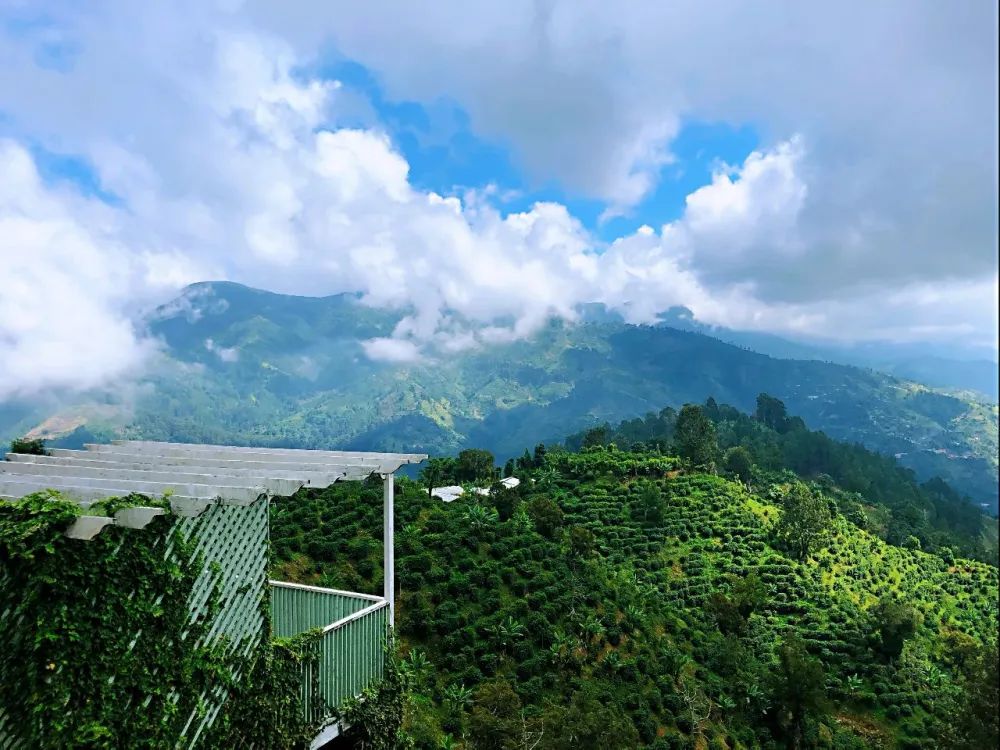
In the last century, Jamaican Blue Mountain coffee was sought after by the coffee market for its low production, high quality and excellent aroma, and was even hailed as the "Emperor of Coffee". As a result, Blue Mountain coffee has long been associated with the word "expensive". Why is Jamaican Blue Mountain coffee so expensive? In fact, Qianjie believes this is related to Jamaica's local historical reasons, geographical environment and the country's standards for high-quality coffee.
Jamaica is an island country that began introducing coffee cultivation as early as the 18th century, and its coffee industry developed rapidly. At its peak, Jamaica had more than 600 coffee plantations, and their excellent quality made them deeply loved by coffee consumers around the world.
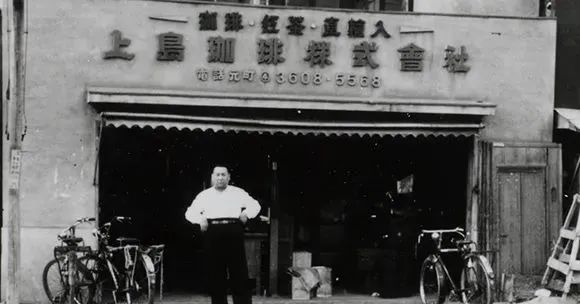
But the good times did not last. At the end of the 20th century, the entire island of Jamaica was hit by hurricanes, causing very severe losses. Both coffee and other crops were destroyed, and the coffee industry consequently fell into a trough. At the same time, Japan had a developed economy during this period and greatly favored coffee with a rich, mellow mouthfeel like Blue Mountain, so several Japanese trading companies (including the well-known UCC Ueshima Coffee Company) jointly provided loans to some coffee plantations in the Blue Mountain region to help Jamaica overcome the crisis.
Out of gratitude, the Jamaican government signed a 30-year contract with Japan, promising to supply 90% of the Blue Mountain coffee quota to Japan, with the remaining 10% supplied to Europe, the United States and other countries. After Japan's monopoly, through marketing and promotion, a "Blue Mountain boom" gradually swept through the entire coffee world, and many countries neighboring Japan also began to pursue Blue Mountain coffee. With an inherently small production volume plus Japan's successful marketing, prices accordingly rose. Since 2000, the "Blue Mountain boom" gradually began to spread domestically, which also led to the phenomenon of Blue Mountain coffee being hard to obtain at high prices.
During the 2008 global economic crisis, Jamaica sought to sell Blue Mountain coffee to more countries, and its agreement with Japan happened to expire at that time, so more of the Blue Mountain coffee quota was allocated to other countries. As demand in China's coffee market has grown, many merchants in our country are now able to import Blue Mountain coffee beans directly from Jamaica. This is why Blue Mountain coffee is now cheaper than before.
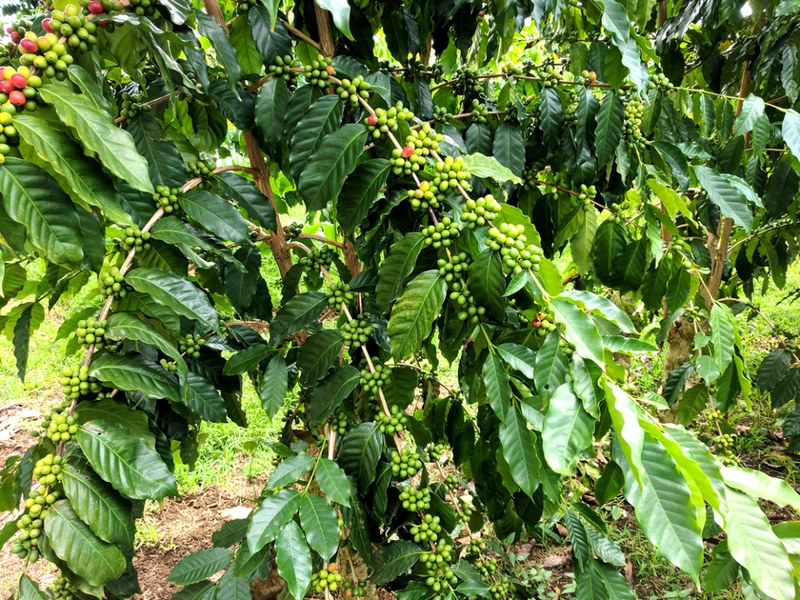
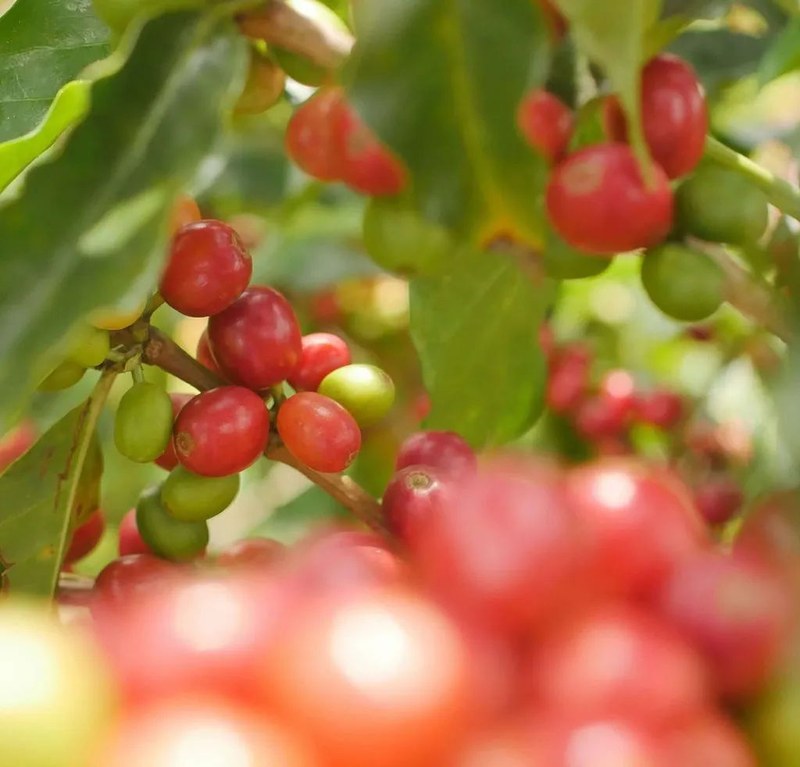
The reason Blue Mountain coffee has excellent quality is thanks to the country's unique geographical environment. The Blue Mountain region of Jamaica is home to multiple mountain ranges, lies on the Circum-Pacific volcanic and seismic belt, and has fertile volcanic soil. In addition, the climate here is humid and rainy, with fog all year round, making it very suitable for growing coffee and other crops.
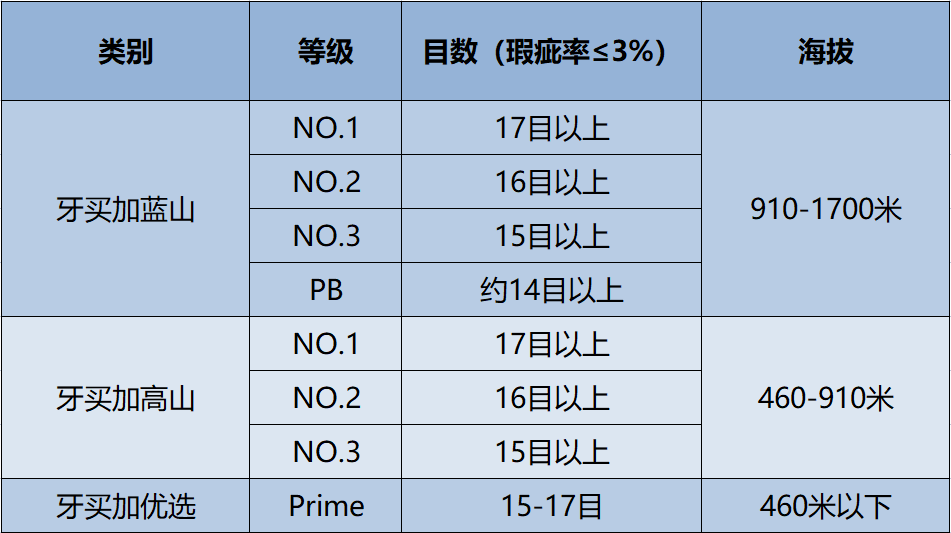
However, not every coffee tree grown in the entire Blue Mountain region can be called Blue Mountain coffee. The Jamaica Agricultural Commodities Regulatory Authority (JACRA) has strict rules: only the Typica variety planted in the four parishes of St. Andrew, St. Thomas, Portland and St. Mary, and grown at an altitude of 915 m-1700 m within this region, can be named Jamaica Blue Mountain. Coffee beans produced in other areas are named Jamaica High Mountain Coffee and Jamaica Prime Coffee.
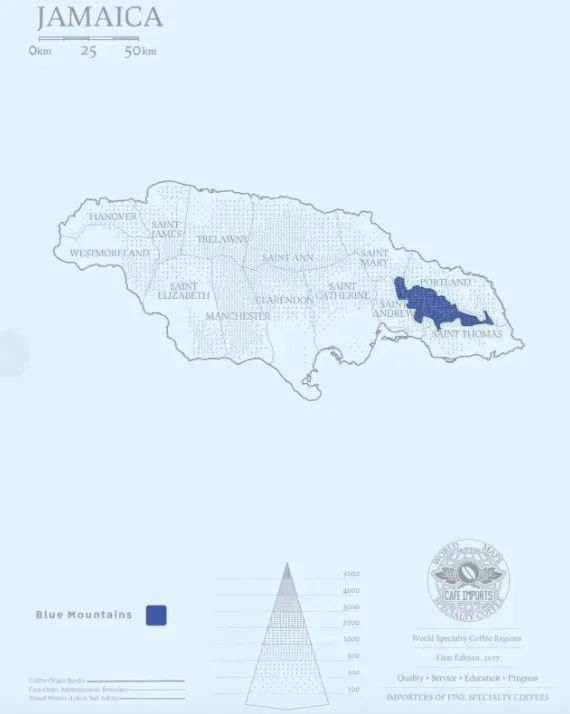
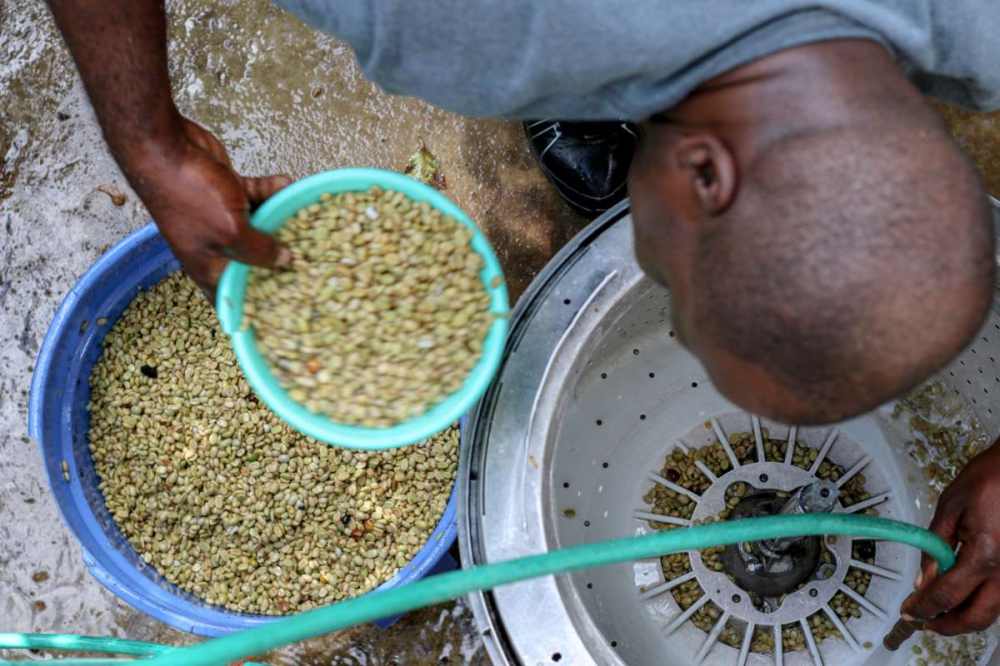
Due to the limited area, the yield is not high, and because of the high altitude, planting management and picking are more difficult; the picking process is almost entirely carried out by skilled local female workers, who select coffee beans that are perfectly ripe, and in the subsequent processing, dedicated personnel are responsible for quality supervision, using a strict production process to ensure the high quality of the coffee.
In addition, JACRA also grades according to items such as the specification of the green beans, defect rate and cupping flavor; Blue Mountain coffee is divided into four grades in total: No. 1, No. 2, No. 3 and the hand-selected PB. All exports must pass JACRA's quality inspection, in which a 300g sample of green beans is drawn; 96% of the beans need to be between 17-18 mesh, the defect rate must be below 2%, the moisture content around 10-12.5%, and the cup profile must meet the standard before it can become top-grade Jamaica Blue Mountain No. 1 coffee.
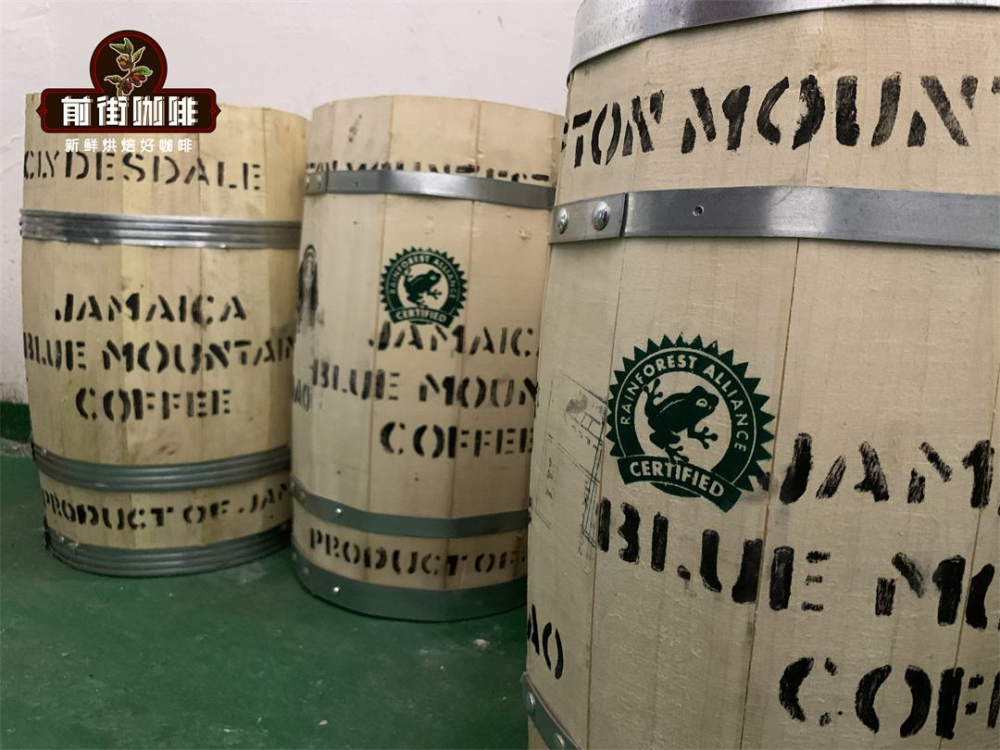
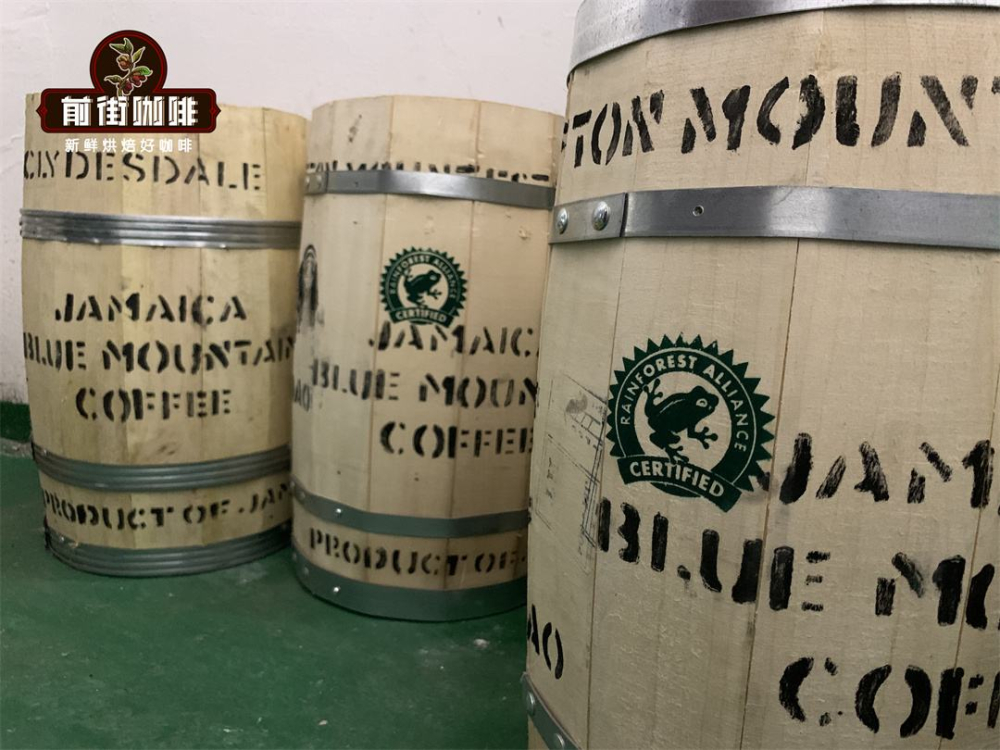
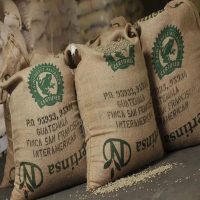
To ensure the quality of the coffee beans, Jamaica still insists on using traditional wooden barrel packaging for premium Blue Mountain coffee, in 70 kg, 30 kg and 15 kg sizes. The rest is shipped in 60 kg burlap sacks.
This is a replica of the Bonifieur barrels produced on the island of Guadeloupe last century; this kind of barrel was originally used to carry flour from Britain to Jamaica and usually bore a trademark and the name of the manufacturer. The Coffee Industry Board issues certificates for all genuine Jamaican coffee and stamps approval marks on exports. The Jamaican government used to insist that all Blue Mountain coffee be roasted in Jamaica to guarantee unchanged quality. In fact, roasting is a fine art, and doing it well requires experience, training and expensive facilities. From the consumer's point of view, coffee beans should be obtained and drunk immediately after roasting. Roasting coffee in Jamaica cannot meet this requirement, and now Jamaican green coffee beans can already be exported. Later, in response to market demand, medium and small barrels of 15 kg and 30 kg were also introduced.
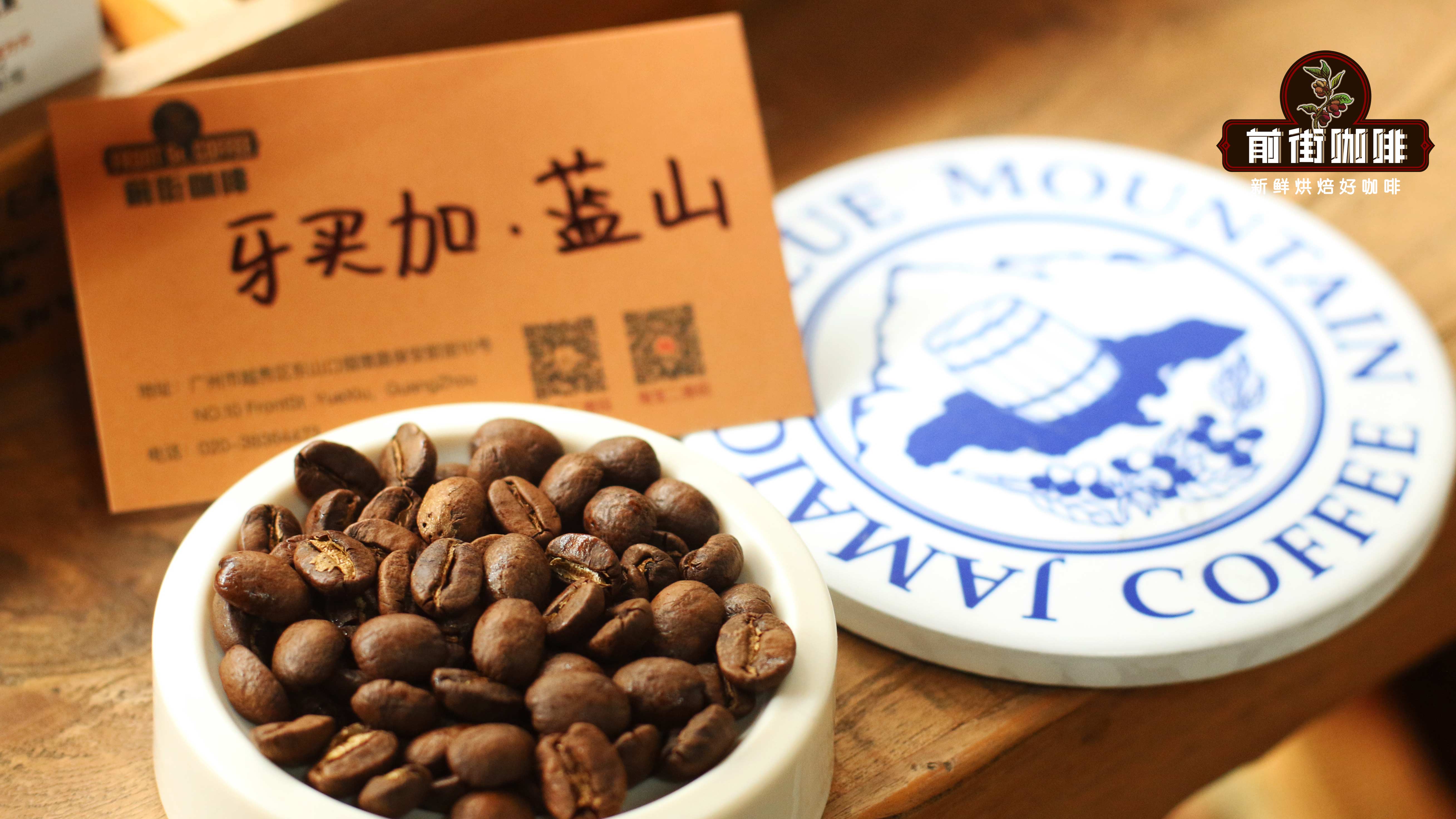
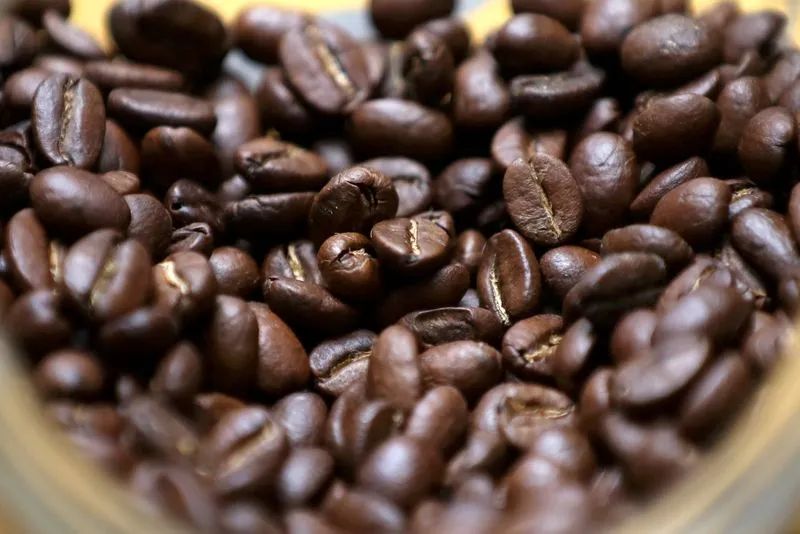
Qianjie's roasting philosophy is to present coffee's most classic flavor profile, such as the bright lemony acidity of Yirgacheffe and the full-bodied, toasty character of Indonesian Mandheling; Blue Mountain, too, should highlight the classic Blue Mountain flavor. Qianjie uses a medium-dark roast to bring out the coffee's chocolate and nut aromas to the greatest extent, while retaining soft acidity and sweetness, so that the overall taste tends toward balance.
To learn more about coffee origins and information, please scan the QR code to follow: Coffee Review
Long-press the QR code to follow:

TRANSLATE with x
English
TRANSLATE with
COPY THE URL BELOW
EMBED THE SNIPPET BELOW IN YOUR SITE Bing Webmaster Portal
Related Reading
Comments (0)
Loading comments...
You May Be Interested

Trending Reviews
Popular Videos

With you, wherever you are! We provide useful features to help you find new things you'll love






