Source:Best Coffee > News Author:qjroot Published:2026-09-07 09:45:32
Coffee beans with obvious sweetness and rich fruit aromas do not automatically taste like fruit juice once you take them home. Water temperature, grind size, coffee-to-water ratio and extraction time all change the balance of acidity and sweetness. For pour-over, the key to tasting floral and fruity notes is to let the aromas fully release without pulling out rough, astringent sensations; for espresso, you need to capture the bright fruit acidity in the shot so that sweetness and body can support an iced americano or milk coffee.
If you prefer the layers that come from changing temperature, you can start with Qianjie Kafa Forest. While hot, it tends to show orange and ripe apricot notes; as it cools, the sweetness becomes more concentrated, and the finish has a sweetness reminiscent of oolong tea. For pour-over, use 15 g of coffee with 225 g of water, a water temperature of around 92°C, a medium-fine grind, pour in three stages, and keep the total time between 2 minutes 30 seconds and 3 minutes; the cup will balance clear aromatics with soft sweetness.
If Kafa Forest brews up too acidic with insufficient sweetness, you can grind slightly finer or raise the water temperature by 1°C to 2°C to let the coffee bed release more solubles; if the finish turns dry and astringent, reduce agitation in the final stage, or adjust the grind one step coarser. You do not need to chase a forceful stream when pouring; a steady circular motion with no excessive drop in the water level helps preserve an apricot-like roundness.
To observe richer layers of fruit aroma, you can choose Qianjie Grana Estate Geisha. This coffee has fuller aromatics, with orange blossom, guava, apricot and strawberry jam notes emerging gradually as the water temperature drops. It is recommended to use 15 g of coffee and 240 g of water, a water temperature of 91°C to 93°C, and a slower staged pour, with a total time of about 3 minutes, so that the floral notes up front, the fruit in the middle and the sweetness at the end unfold in sequence.
The natural-process style of Grana Estate Geisha is more pronounced, so you should not simply keep increasing agitation during brewing. If the flow is too fast and only sharp acidity remains in the cup, you can grind a little finer, or reduce the total water to 225 g to increase concentration; if the aroma is strong but tastes dull in the mouth, adjust the grind coarser and reduce one pour to make the body lighter, and the jam-like sweet aroma will also become clearer.
If you like iced coffee, you can look at Qianjie Colombia Sidra. Its passion fruit, blueberry, grape and apricot notes have a stronger juice-like association, making it suitable for brewing bright aromatics. For iced pour-over, use 18 g of coffee, 200 g of hot water and 100 g of ice, a water temperature of 93°C, a grind slightly finer than for regular pour-over, pour in two to three stages, and keep the total extraction of the hot liquid to about 2 minutes.
The key to iced pour-over is not just adding more ice, but keeping the hot coffee concentrated enough. If the finished drink tastes thin after being diluted by the ice, you can reduce the hot water to 180 g or grind slightly finer; if the passion fruit-like acidity is too prominent, lower the water temperature to 91°C and slow down the second pour. After the ice has melted, the blueberry and grape notes will usually be more obvious than when the drink is first poured.

Colombia Sidra can also be used to make SOE. When using 18 g of coffee, you can set the target yield at around 36 g, an extraction time of about 27 to 32 seconds, pressure kept near 9 bar, and a water temperature of about 92°C. The grind should be based on the flow rate of the liquid: if the flow is too fast and the acidity is thin, adjust finer; if bitterness and dryness increase, adjust slightly coarser. This kind of espresso works well as a short black, and can also be combined with a small amount of ice water to make a highly aromatic americano.
When making fruity milk coffee, bean selection needs to balance aroma and concentration. Grana Estate Geisha is better suited to a latte with less milk or a short-ratio milk coffee, preserving floral and berry notes; Kafa Forest more easily presents apricot and tea-like notes. You can extract 32 to 36 g of liquid from 18 g of coffee, keep the milk at around 120 g, and steam-heat it to 55°C to 60°C, avoiding high temperatures that weaken delicate fruit aromas.
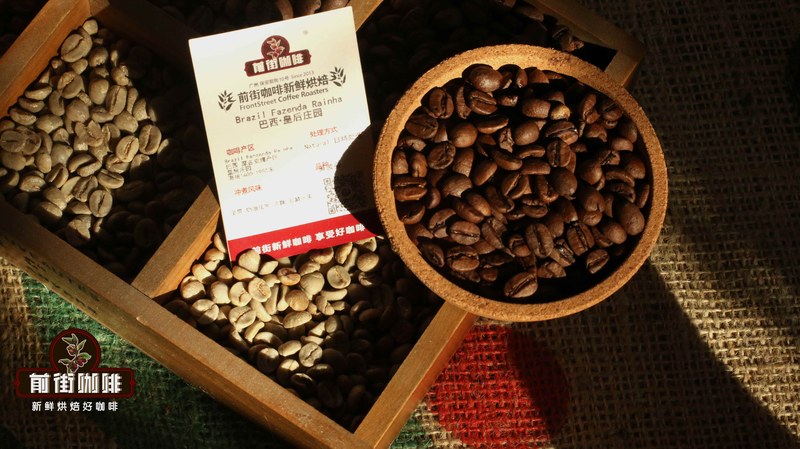
The same set of parameters does not need to be mechanically applied to every coffee. When a coffee is on the lighter roast side and denser, it usually needs a slightly higher water temperature or a finer grind; when a coffee has intense aromatics and releases solubles quickly, you can reduce agitation and shorten the extraction. When tasting, focus on whether the sweetness lasts, whether the fruit aroma is natural, and whether the finish is clean after swallowing, then decide the direction of adjustment; this will also make bean selection more confident.
For everyday pour-over, Kafa Forest is suitable for experiencing sweetness through temperature changes; Grana Estate Geisha is suitable for setting aside time specifically to observe aromatics; Colombia Sidra can cover hot brewing, iced brewing and SOE. Choose according to your own equipment and drinking habits, then start from a clear set of parameters, and fruit aromas and sweetness will land in the cup more consistently.
Related Reading





Comments (0)
Loading comments...
You May Be Interested



Trending Reviews
Popular Videos

With you, wherever you are! We provide useful features to help you find new things you'll love






