Source:Best Coffee > News Author:qjroot Published:2024-10-02 18:42:02
Recently, the US state of Hawaii issued Bill 198, which will take effect in 2027. From then on, coffee products labeled as Hawaiian coffee for sale must contain at least 51% Hawaiian coffee beans. This new law aims to address the issue of false labeling, but as a result, some large coffee chain buyers are becoming more cautious about choosing Hawaiian coffee, because they worry about buying incorrectly labeled coffee and getting involved in lawsuits.
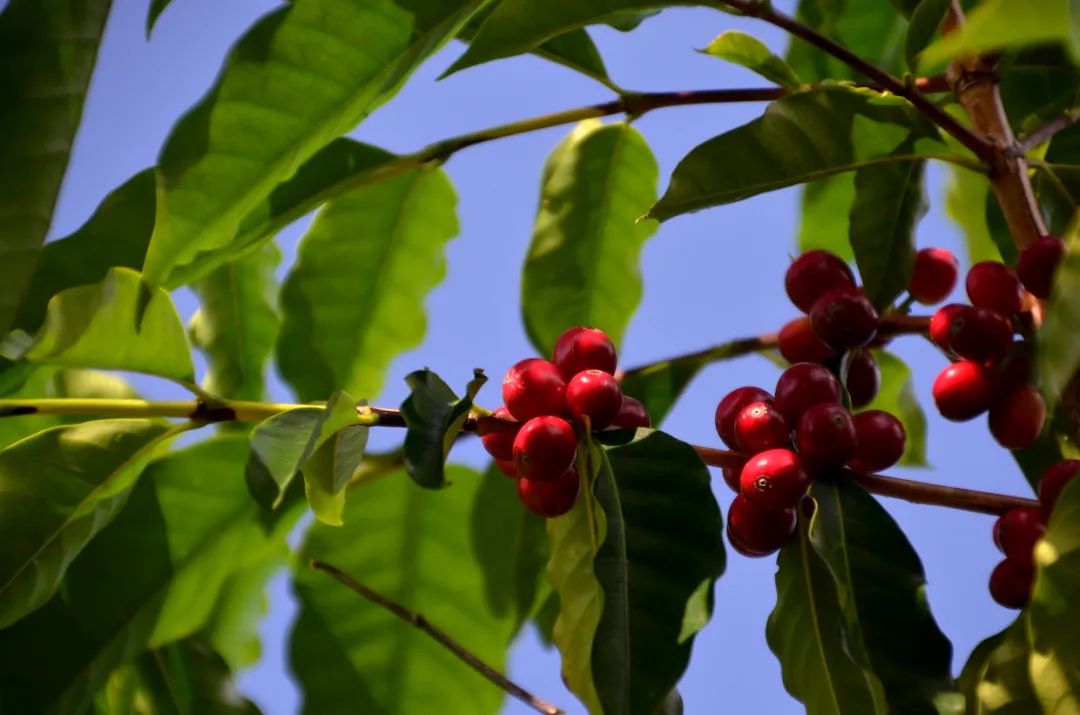
According to Hawaii media reports, about half of Hawaii's coffee production is in the Kona region, and the industry is now facing change because of this new state law. This is because, according to the Hawaii Coffee Association, if a bag of coffee is labeled Kona, Ka'u, Kauai or Maui coffee, then at least 51% of the beans inside must come from that region.
Hawaiian coffee has long been highly renowned, with Kona Coffee being the most famous, and it has even earned the title of "Coffee Queen", on a par with Blue Mountain coffee. Hawaii is an archipelago, and thanks to the influence of an island climate, even though the altitude is not high, it is still very suitable for growing coffee. These unique geographical conditions, climatic conditions and volcanic soil together give Hawaiian coffee its distinctive characteristics, but its coffee yield is not high, and combined with various costs, its market price is relatively high. Generally speaking, 100% pure Kona coffee usually costs between 30-60 USD per pound.

Before this legislation, Hawaii state law from 1991 already allowed coffee blends or ground coffee sold under the names “Kona” or any other Hawaiian regional designation to contain as little as 10% Kona coffee. This practice had damaged the reputation of “Kona coffee.” According to the Hawaii Coffee Association, consumers were paying premium prices for coffee labeled as “Kona coffee,” which in reality only contained 10% genuine Kona beans, with the majority likely sourced from Brazil, Vietnam, or elsewhere.
Therefore, for years, Kona coffee growers and legislators have pushed for stricter labeling requirements to protect the Kona name, elevate the global reputation of Hawaiian coffee, and even initiate lawsuits against some major brands. It’s reported that earlier, Kona region coffee growers filed a civil lawsuit against eight U.S. roasting companies and several of the largest grocery chains and online retailers in the United States. The defendants included well-known brands such as Walmart, Amazon, and Costco. Eventually, the lawsuit was successful, resulting in more than 20 grocery stores and roasting companies being fined a total of over 33 million U.S. dollars.
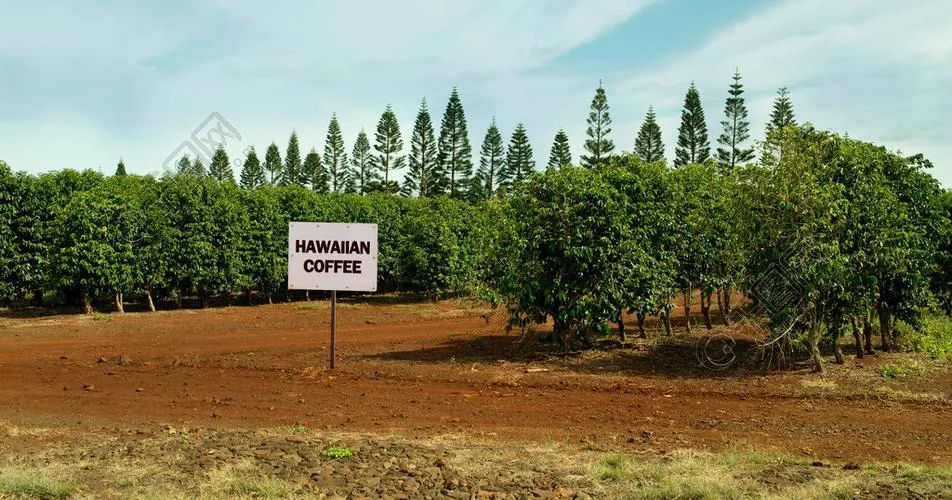
Although the coffee industry in Hawaii is very supportive of this new law, it has a negative impact on the coffee trade, because this regulation will lead to a decline in external demand for Hawaiian coffee. Although the new bill will not take effect until 2027, due to earlier litigation cases, some large chain coffee buyers or traders are now becoming more cautious about buying Kona coffee, fearing that the new regulations will lead to lawsuits against them.
Experts point out that after Hawaiian Kona coffee experienced historic highs in recent years, Kona coffee prices will fall by 20% compared with the previous two years. The market is expected to stabilize, which is good news for coffee consumers, because the current purchase price will be more affordable.
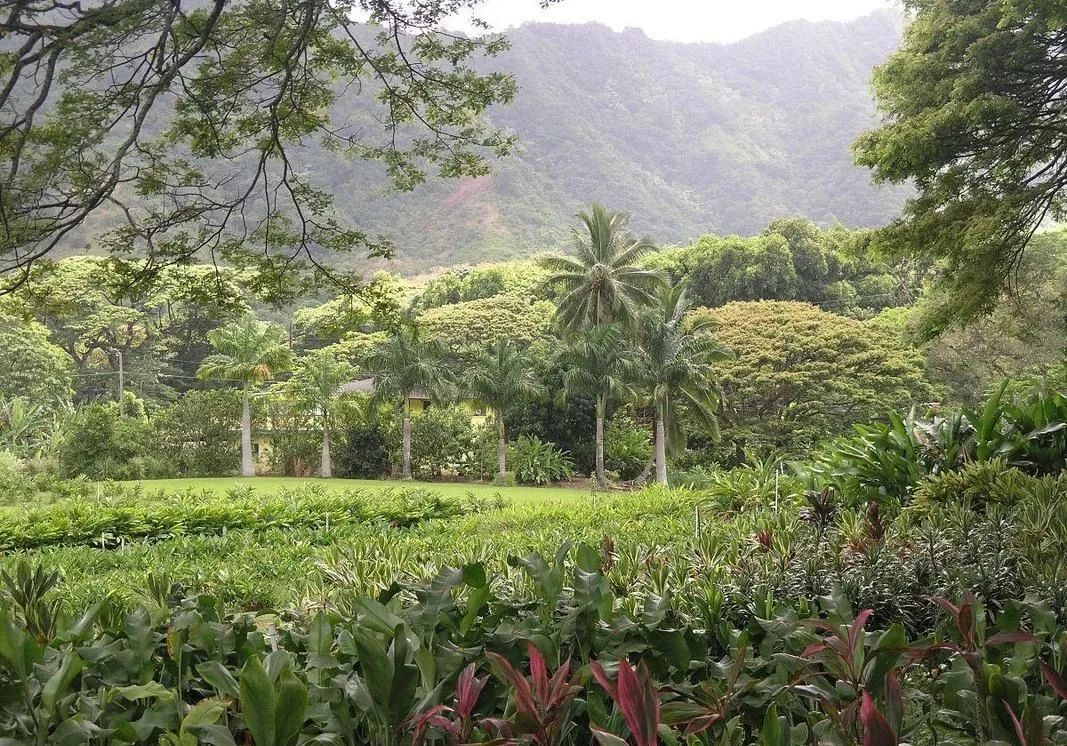
In addition, the new bill also stipulates that Hawaiian coffee can, as before, be used in coffee blends, but it is required to clearly indicate what proportion of Hawaiian coffee is contained, as well as what proportion of coffee from foreign countries is contained.
Although the bill may cause some large coffee trading companies to reduce or stop purchasing coffee from the Hawaii region, leading to a price decline, it will benefit the development of Hawaii's coffee industry, all because Hawaiian coffee, especially Kona coffee, has performed well, and previously its price soared due to low production. Once prices decline, it will attract some specialty coffee traders to increase imports of 100% pure Hawaiian coffee, especially at a time when global coffee prices are soaring, which can raise the international influence of Hawaiian coffee.
To learn more about coffee origin news and information, please scan the QR code to follow: Coffee Review
Long press the QR code to follow:

Related Reading

Comments (0)
Loading comments...
You May Be Interested

Trending Reviews
Popular Videos

With you, wherever you are! We provide useful features to help you find new things you'll love






