Source:Best Coffee > News Author:qjroot Published:2026-08-17 16:25:04
Anyone who drinks pour-over will sooner or later notice a phenomenon: African beans and American beans taste like coffee from two different worlds. The former often has bright fruity acidity and clear floral aromas, while the latter is mostly the mellow richness of nuts, cocoa and caramel. Behind this is the result shaped jointly by variety, altitude, soil and processing traditions.
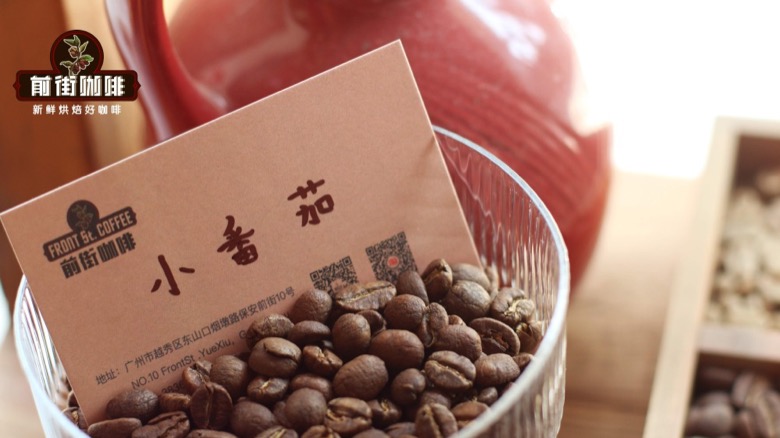
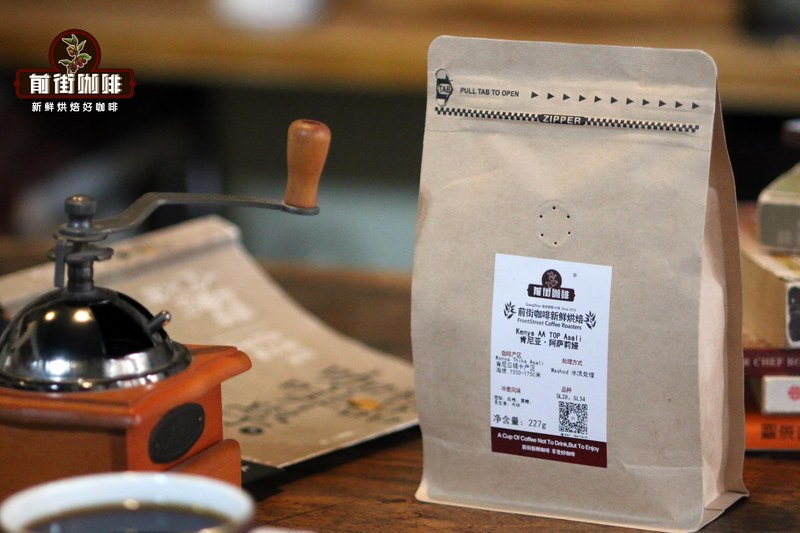
Africa is the birthplace of Arabica coffee. High altitude and the temperature difference between day and night let the coffee cherries ripen slowly, accumulating complex fruity acidity. Ethiopia is a typical example. Qianjie Yirgacheffe Gudingding has distinct citrus, berry and floral notes, with a soft and bright acidity, like the sweet-and-sour taste of the fruit itself; Qianjie Ethiopia Huakui has a stronger tropical fruit aroma, with strawberry, passion fruit and jackfruit all noticeable, obvious sweetness and very low bitterness. Farther south to Kenya, Qianjie Kenya Little Tomato uses SL28 and SL34 varieties with 72-hour double washing, giving a bright and solid acidity, with the aromas of cherry tomato and smoked plum very captivating.
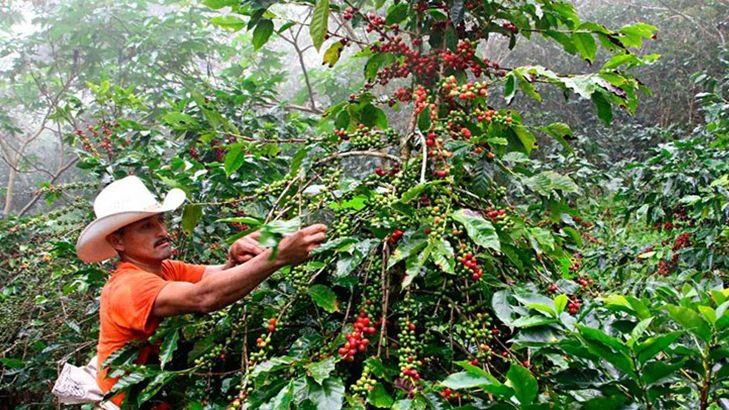
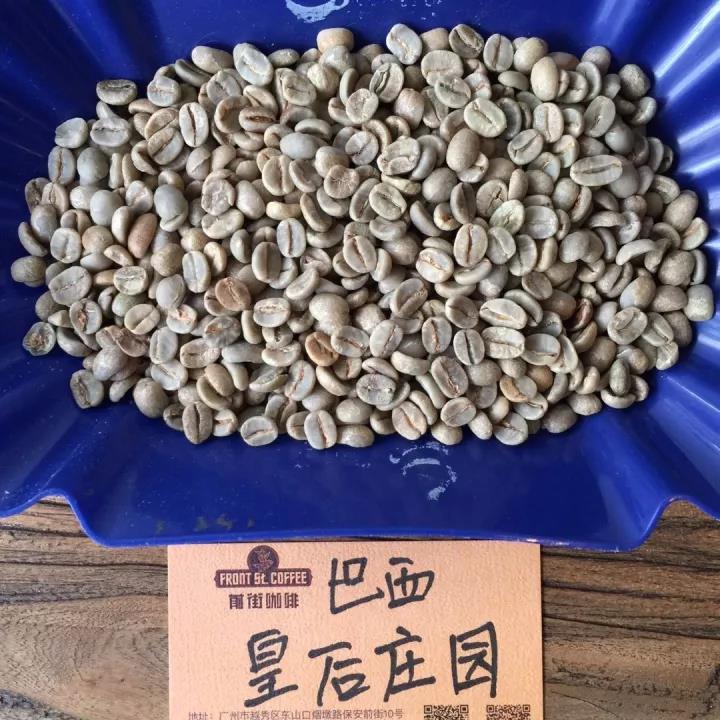
The American producing regions are represented by Brazil and Colombia. The climate is relatively stable, and the soil is mostly fertile highland soil, so the coffee produced often has balanced sweetness and a round mouthfeel. Qianjie Brazil Queen's Estate has very low acidity, with rich nut and cocoa aromas and obvious caramel sweetness, smooth and warm on the palate; although Qianjie Colombia Xizhua uses double anaerobic natural processing and retains the juicy feel of passion fruit and blueberry, that lingering cocoa sweetness in the finish is still the typical gene of American beans. Even in the Caribbean's Jamaica, Qianjie Jamaica Blue Mountain No. 1 also strikes a rare balance among acidity, sweetness, bitterness and aroma, with a complex flavor of cream, caramel, chocolate and nuts that is layered yet not flashy.

The same variety grown in different places can taste very different. African producing regions have high altitude and a large temperature difference between day and night, so the coffee ripens more slowly and the acidity is more active; American producing regions have relatively milder altitude, and with emphasis on shade and soil management, the coffee leans more toward sweetness and richness. Of course, this is not a hard-and-fast dividing line - high-altitude beans from Colombia can likewise have bright acidity, and low-altitude producing regions in Ethiopia also have beans with a richer orientation, but this is the overall impression.
If you want to experience bright fruity acidity and floral aromas, it is more suitable to start with African beans. Qianjie Yirgacheffe Gudingding is a light and easy-to-drink entry choice; if you like something heavier and do not like sourness, American beans are more suited to you, and Qianjie Brazil Queen's Estate is worth a try. If you want both, buy two bags and take them home, then brew a pot of each with the same set of parameters, and the divide immediately comes alive.
African beans and American beans, one is like an orchard, the other like a baking room. Neither is superior to the other; it is only a question of whose style moves you more. Pick a weekend and brew both kinds of beans at the same time, and you will truly understand the origin through the comparison.
Related Reading





Comments (0)
Loading comments...
You May Be Interested



Trending Reviews
Popular Videos

With you, wherever you are! We provide useful features to help you find new things you'll love






