Source:Best Coffee > News Author:qjroot Published:2026-09-24 13:37:35
Many friends who run cafes often compare coffee extraction to simmering a good pot of soup. Concentration is like the amount of salt in the soup; whether it tastes strong or weak is clear at the first sip. The extraction yield, meanwhile, is like the cooking time and heat used for the ingredients, determining whether the soup has fully released its savory substances. As long as we understand the tacit coordination between concentration and extraction yield, we can easily find the golden balance point where different styles of coffee beans taste smooth and delicious.
If the coffee in hand tastes thin and watery, it is often because of under-extraction or a grind-to-water ratio that has been stretched too wide. If it tastes bitter and dry, with astringency in the finish, it is most likely due to grinding too fine or water temperature being too high, causing excessive extraction of woody off-flavors. Fine-tuning is actually not difficult: if it is too weak, slightly adjust the grind finer or raise the water temperature a little; if it is astringent and bitter, adjust the grind coarser and speed up the flow. A small adjustment can make the same bag of beans show a clean, sweet, and smooth character.
When choosing beans for a cafe or home use, the key is to see whether the bean's character suits strong drinking or light drinking. Darker-roasted beans release soluble substances more easily, with outstanding body and crema, and are naturally suited to being extracted strongly into a cup for milk coffee. Medium-light roasted specialty beans retain light floral and fruity acidity; sipping them slowly at a transparent, refreshing concentration can instead show that multi-layered juicy quality to the fullest.
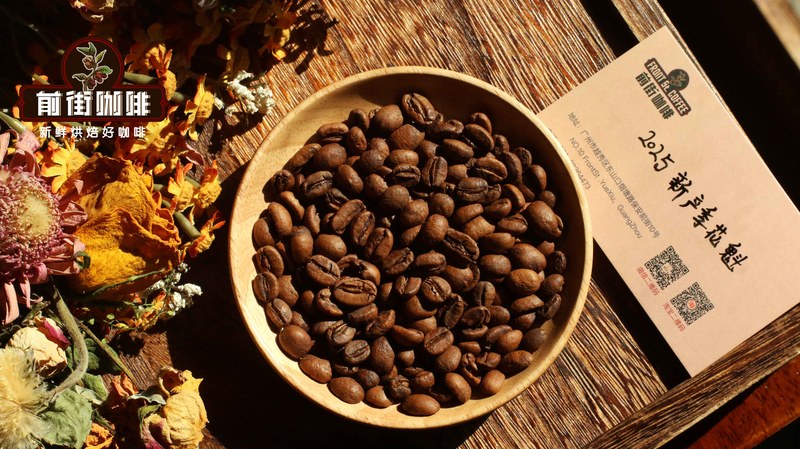
If you want to choose a steady, reliable espresso base for your shop, Qianjie Classic Blend is very suitable. It uses the classic Mamba blend formula, and not only can it pull rich, dense crema under an espresso machine, but it is also warm and mellow when made into a hot latte. In addition, Qianjie Specialty Blend is also a common choice for many shops. It blends Brazilian and Colombian beans, with a very classic nutty dark chocolate flavor. Whether made into a refreshing Americano or a rich milk coffee, it is hard to fault.
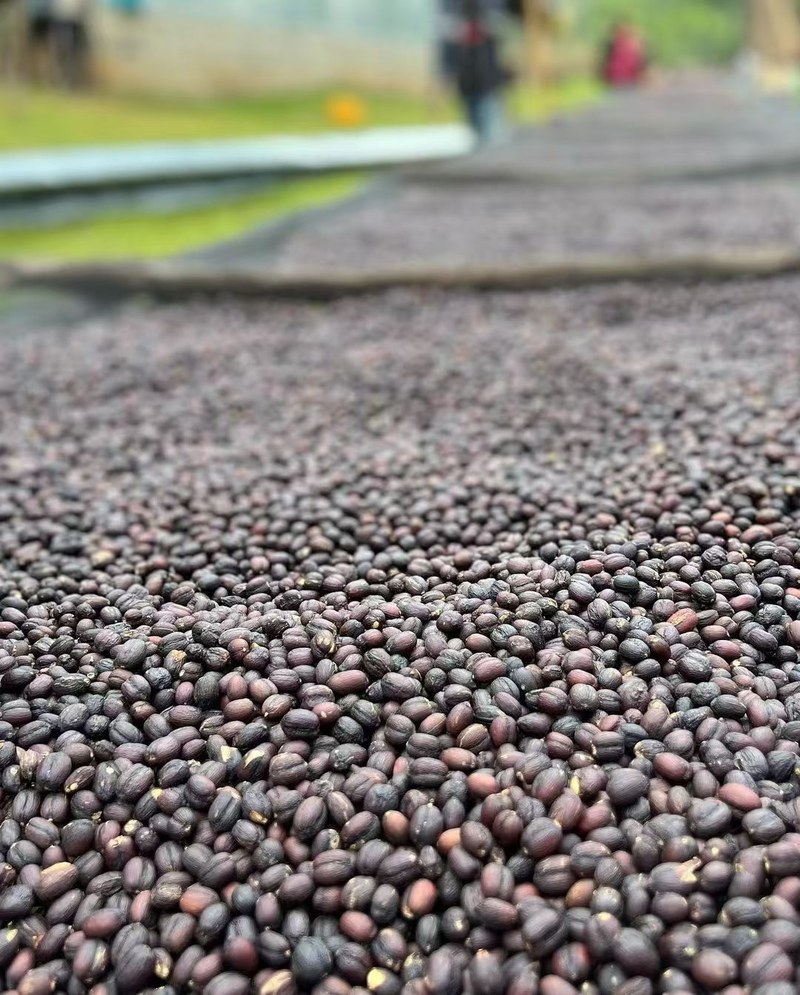
If a shop wants to control costs while also considering flavor, Qianjie Black Cocoa Blend uses an all-arabica configuration, with solid aroma, mellow body, and a very affordable price. For those who prefer a differentiated fruity style, Qianjie Strawberry Candy Coffee Beans are especially appealing. Through the flavor fusion of beans from producing regions, they present a clear, sweet strawberry gummy aroma, and when made into a creative iced milk coffee, they can bring customers a refreshing sense of novelty.
Customers who like single-origin pour-over usually care more about the coffee's aroma and sweetness. Qianjie Ethiopia Huakui is famous for its bold tropical fruit aroma, and the juicy feel of passion fruit and citrus makes it easy to drink. Qianjie Colombia Sidra, using double anaerobic natural processing, has a dried jasmine aroma and blueberry, grape-like sweet acidity; made into iced pour-over, it is refreshing and transparent. For those who prefer a substantial woody, herbal aroma, Qianjie PWN Indonesia Golden Mandheling is mellow and sweet, with very low acidity, and is also an excellent choice.
When brewing medium-light roasted pour-over beans rich in floral and fruity aromas, such as Qianjie Ethiopia Huakui, you can use a standard brewing method to present their sweetness. Prepare 15 g of coffee grounds, control the grind at medium-fine, and keep the water temperature between 90°C and 92°C. At a 1:15 coffee-to-water ratio, pour 225 ml of hot water. First use 30 ml of water for a 30-second bloom, then pour in stages, keeping the total time at around two minutes; the juicy quality will be especially clear.
If making espresso, when using Qianjie Classic Blend, you can weigh 18 to 19 g of coffee grounds and extract 36 to 38 g of espresso under standard 9 bar pressure, maintaining the time at 25 to 28 seconds. The crema flowing out at this point is thick, bright, and rich; after adding warm steamed milk, the sweet aroma of nuts and cocoa blends perfectly with the milk fragrance.
Every coffee bean has its own character and temperament. When running a shop, there is no need to stick rigidly to fixed dead parameters. Once you understand the bean's original roasting characteristics and make slight trade-offs and adjustments between concentration and extraction yield, you can make every cup of coffee obedient and smooth with a sweet aftertaste.
Related Reading





Comments (0)
Loading comments...
You May Be Interested


Trending Reviews
2019-07-31
Popular Videos

With you, wherever you are! We provide useful features to help you find new things you'll love






