Source:Best Coffee > News Author:qjroot Published:2024-11-13 18:54:00
Ethiopia is widely recognized as the birthplace of coffee, and coffee has also become a major source of foreign exchange earnings for the country. In Ethiopia, more than 4 million farmers produce coffee, with forest coffee and garden coffee (homestead coffee) as the main cultivation models, and only about 10% are coffee estates.
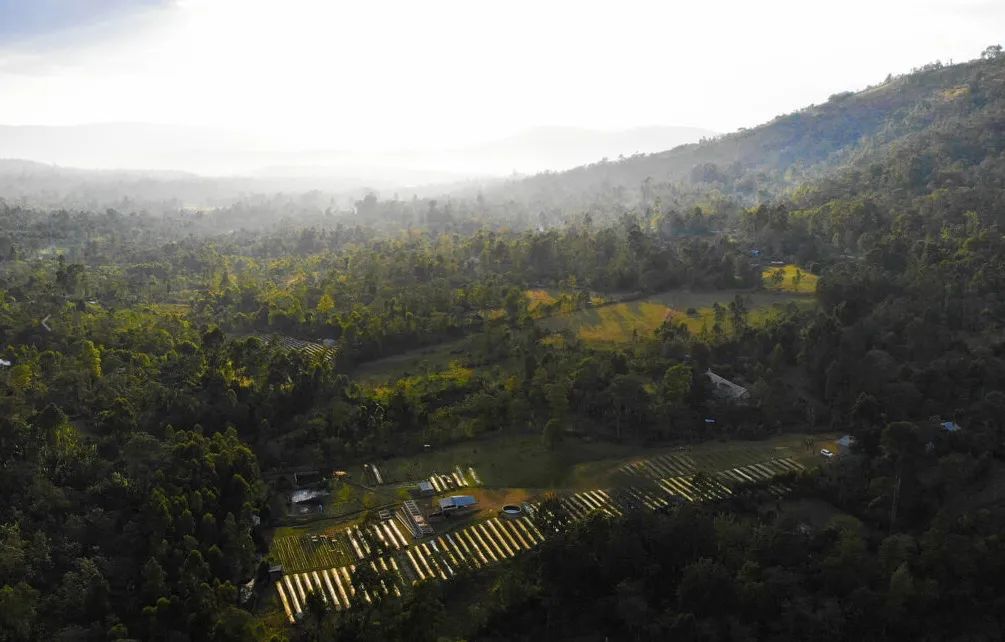
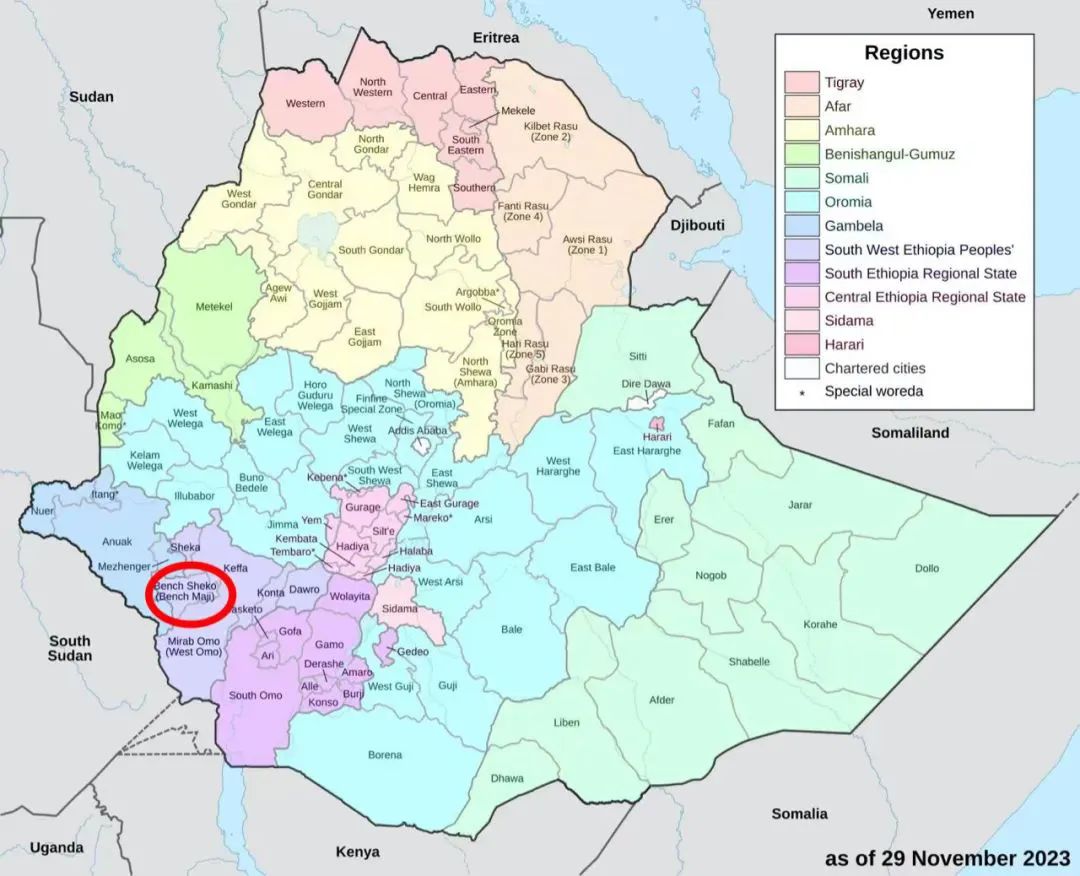
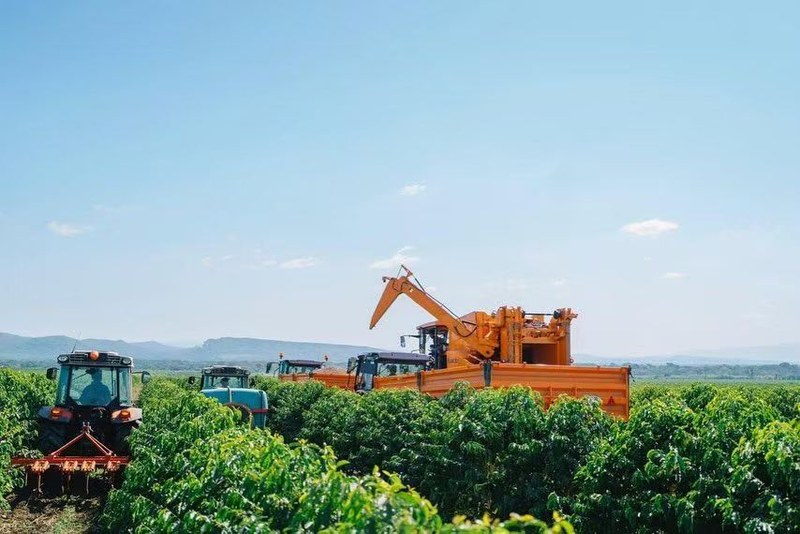
When it comes to coffee estates in Ethiopia, the most famous is Gesha Village Coffee Estate, located in the Bench Maji area in the west. This estate is different from most Ethiopian farms: it is not a small farm, but a farm of 500 hectares, with its own coffee processing plant and laboratory, mainly growing and exporting the Gesha variety.
In addition, the grading at Gesha Village Coffee Estate differs from Ethiopia's traditional grading. The coffee grading at Gesha Village Coffee Estate draws on the grading of some well-known estates in Panama, and is divided into 5 grades in total: auction lot, gold label lot, red label lot, green label lot and Chaka lot. Among these lots, the gold label and red label lots are the most well-known and relatively higher in price, while the most cost-effective is the Chaka lot (Chaka). What is special about this lot?
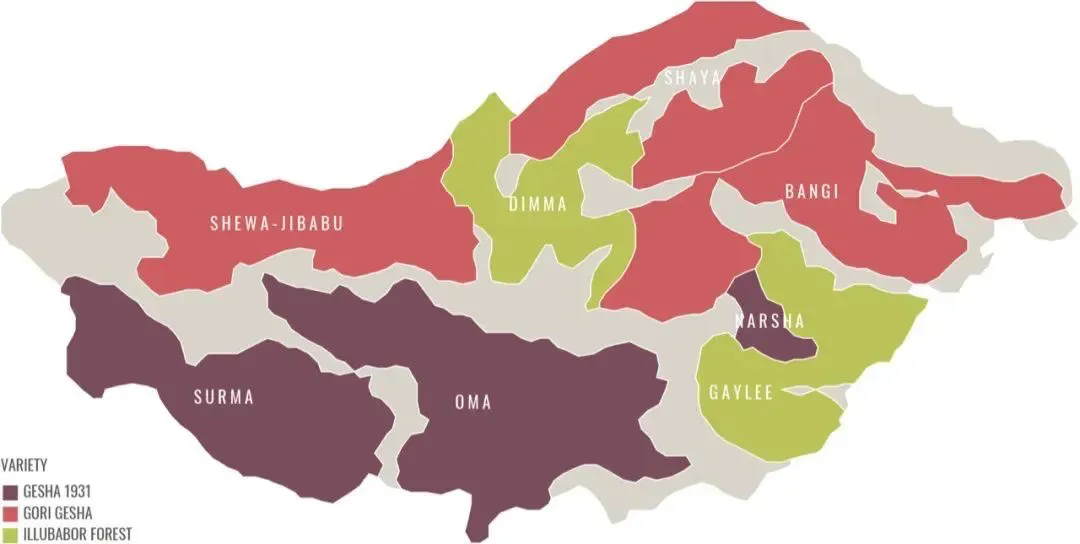
Currently, Gesha Village Coffee Estate has 8 major blocks, growing three coffee varieties: Gesha 1931, Gori Gesha and Illubabor Forest 1974.
Among them, the Gesha 1931 variety was discovered by estate owner Adam Overton and his wife when, in the early days of establishing Gesha Village Coffee Estate, they came to a place in Bench Maji called Gesha Village and found the Gesha variety. This variety is very close to the Panama Gesha variety in plant appearance, cup profile and genetic comparison, so the variety was named "Gesha 1931" (the Gesha variety was first discovered in 1931).
After Gesha Village was established, the estate owner found a coffee variety very similar to Gesha in a forest called Gori 12 miles from the estate, brought it back to the estate to plant, and named it "Gori Gesha."
The Illubabor Forest 1974 variety was discovered by the Ethiopian Coffee Research Center in 1974 during an expedition in the Illubabor Forest. It is a variety with resistance and is currently grown only at Gesha Village Coffee Estate.
In the grading system of Gesha Village Estate, the auction lot, gold label lot, red label lot and green label lot are all single-variety lots harvested from a single block, with detailed traceability information. The Chaka lot, on the other hand, is a Gesha blend launched by Gesha Village.
It draws from all the blocks of the entire estate, blending three varieties: Gesha 1931, Gori Gesha and Illubabor 1974, and accounts for 70% of the estate's annual coffee production. It can be said to be a high-quality lot from Gesha Village that does not emphasise subdivision, offers good value for money, and can be supplied in large, stable quantities.
And "ChakaChaka" means "forest" in an ancient Ethiopian language. Since Gesha Village itself is also built beside the primeval forest on the Ethiopian highlands, this implies that the lot is taken from the forest of the entire Gesha Village estate.
To learn more about coffee origins and information, please scan the QR code to follow: Kaping
Long-press the QR code to follow:

Related Reading




Comments (0)
Loading comments...
You May Be Interested





Trending Reviews
Popular Videos

With you, wherever you are! We provide useful features to help you find new things you'll love






