Source:Best Coffee > News Author:qjroot Published:2026-10-09 18:32:30
Body is a term I think is especially easy to misunderstand. Many friends, hearing it for the first time, instinctively equate it with bitterness or strength, thinking that the more bitter and concentrated the coffee, the fuller the body. Actually, that is not the case. Body refers to the weight and fullness of the liquid on the tongue, like the difference between whole milk and skim milk. It is not a question of how strong the flavor is, but of the thick, creamy texture on the palate. This mouthfeel comes from three levels: the texture of the beans themselves, the degree of roast, and how your extraction parameters work together. Once you understand this, choosing espresso beans and dialing in extraction becomes much clearer.
Bean texture is the foundation. Arabica itself has delicate flavors, but its body tends to be on the lighter side; if you add a small amount of Robusta to a blend, the structure of the mouthfeel immediately becomes more solid, and the crema becomes richer. Roast level is equally key. A medium-dark roast allows the soluble substances in the beans to develop more fully, and after extraction the texture of the liquid tends toward being thicker. For my daily espresso, I use 19 to 20g of grounds for a double shot, extracting 38 to 40g of coffee liquid, with the time controlled at 25 to 30 seconds, and the fullness on the palate is relatively ideal. If you like milk coffee, the ratio of coffee to milk is about 1:5, with the milk steamed to 55 to 60°C. Medium-dark roasted beans can still hold up the flavors at this ratio and will not be drowned out by the milk.
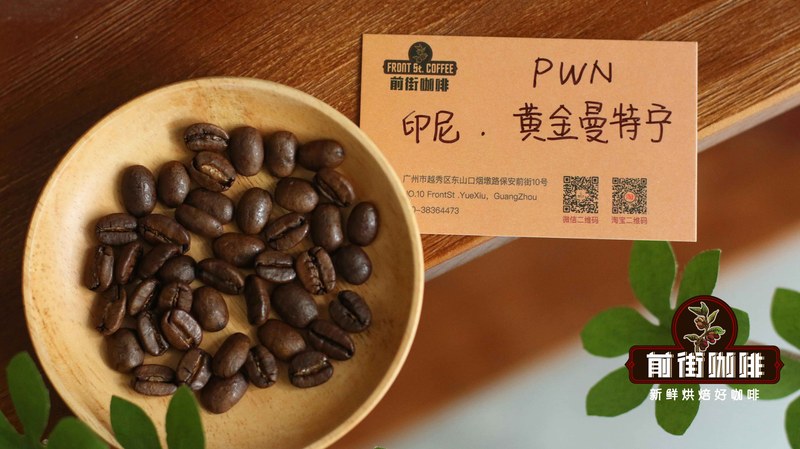
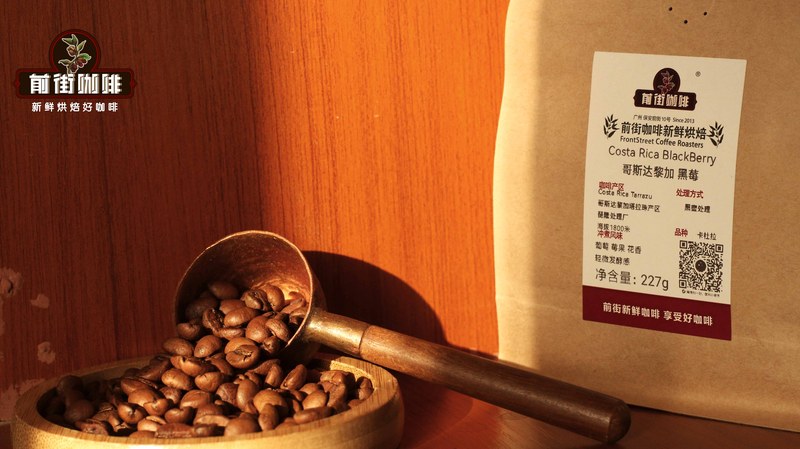
Variety and processing method also have a very real impact on body. Beans from the Brazil region generally carry nutty, chocolate flavors, with a balanced mouthfeel and a long, sweet finish, and are a commonly used base in blends. Mandheling is another approach altogether, with layers of herbal, spice and dark chocolate flavors, and a fuller, deeper body that lingers longer. Qianjie Black Cocoa Blend uses two Arabicas, Yunnan washed small beans and Brazil semi-washed, medium-dark roasted. It drinks with a creamy chocolate and cocoa cookie direction, and a bit of acidity from ripe plum keeps the whole thing from being too dull. The crema has a golden luster, and the flavor is balanced, suitable for people who want body but do not want it too heavy. Qianjie Commercial Blend is a traditional recipe of Colombia, Brazil plus a small amount of Robusta, medium-dark roasted, with aromas of nuts, cocoa and caramel. The crema is rich and flows well, the mouthfeel is low-acid and full-bodied, and it is a worthwhile everyday staple to consider.
Speaking of SOE, single-origin espresso lets you feel the character of a certain origin more directly. Qianjie Golden Mandheling SOE comes from the Indonesia Mandheling region, medium-dark roasted, and after multiple rounds of hand sorting the particles are uniform. After extraction, the aromas of spice, herbs and sandalwood are very obvious, underpinned by caramel sweetness, with a full body and a dark chocolate finish, suitable for people who like a deep style. Qianjie Queen's Estate SOE is a high-altitude Yellow Bourbon from Brazil, medium-dark roasted, with aromas of creamy peanut, nuts and chocolate, a sweet finish, and beautiful crema. When made into milk coffee it is full of aroma and low in acidity, and it is an easy bean for home espresso machine users to get started with. The approach to choosing beans can follow this direction: if you like something thick and full with rich crema, choose a medium-dark roasted blend, especially a recipe with a small amount of Robusta; if you prefer something light and refreshing with more outgoing fruit aromas, you can try a medium-light roasted SOE or a fruit-acid single origin.
Extraction parameters are the final switch for body. With the same beans, a little more grounds and a little less liquid will make the liquid thicker; the reverse makes it lighter. Pulling the time too long easily leads to over-extraction, and the body will be covered up by astringency; too short means under-extraction, and the mouthfeel becomes hollow and watery. I suggest that after getting new beans, first make 3 to 5 cups of fine-tuning to find that balance point where the crema is stable and the first sip is creamy. The beans produced by Qianjie are all roasted within 5 days, so you can pull shots on the machine right after opening the bag, and it is best to finish them within one month.
In the end, body is a flavor dimension you can actively choose. The espresso machine in your hands, the beans you choose, and the parameters you adjust, when the three work together, you can make exactly the cup you want. Thick or light, there is no ranking of better or worse. The key is knowing your own preference, then choosing the right beans and dialing in the extraction, and those two cups of coffee every day will naturally taste better and better.
Related Reading

Comments (0)
Loading comments...
You May Be Interested



Trending Reviews
Popular Videos

With you, wherever you are! We provide useful features to help you find new things you'll love






