Source:Best Coffee > News Author:qjroot Published:2026-09-24 13:36:20
When brewing Indonesian coffee, many friends often run into the same problem: it clearly smells of rich dark chocolate and nuts, yet the cup tastes too bitter or scratches the throat. In fact, this is usually not a problem with the beans, but rather that the extraction yield and strength have not been adjusted into the right range. Brewing coffee is like simmering a good pot of soup: if the ratio of ingredients and the heat are off by just a little, the soup's richness and flavor will take a completely different direction.
To understand how to adjust the parameters, you first need to look at strength and extraction yield separately. Strength is like the saltiness of the soup: how much water you add to the coffee grounds directly determines whether the sip is thin or full-bodied. Extraction yield, on the other hand, is how much of the umami has actually been cooked out of the ingredients in that pot. If too few aromatic substances are dissolved out of the coffee grounds, that is under-extraction, which tends to be sour and weak; if too much is dissolved, that is over-extraction, and the muddy flavors and astringency of the tail end will come through.
When the coffee in your hands tastes weak, it is usually because the coffee-to-water ratio is too large or the grind is too coarse; if it feels too intense and cloying, you can slightly increase the amount of water poured. If it goes down smoothly but leaves a drying, puckering astringency at the back of the tongue, that is most likely over-extraction caused by too fine a grind or too high a water temperature. Just lower the water temperature by 2 degrees, or adjust the grind half a step coarser, and the same bag of beans can immediately go from dry and astringent to round and full.
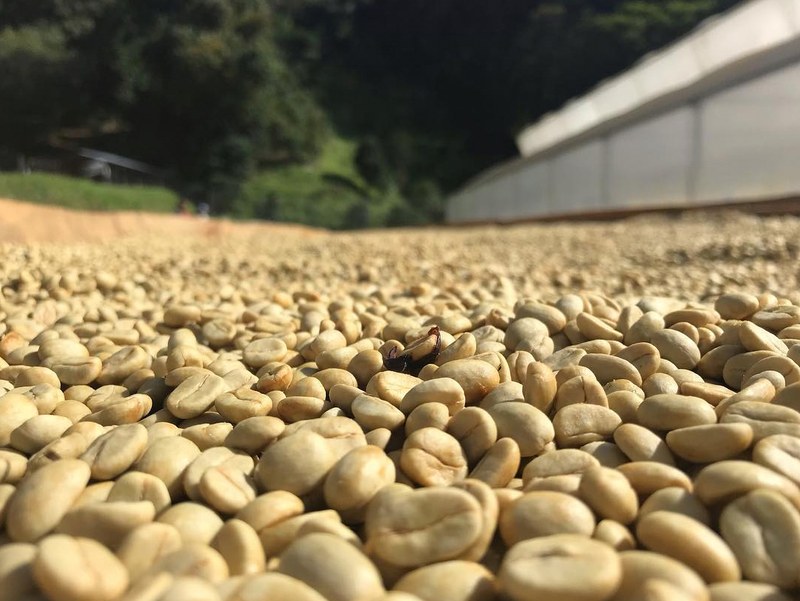
Once you understand these principles, you will have a clear idea when choosing beans. Beans from Indonesia's Sumatra region, for example, mostly use the local specialty wet-hulled method, in which the parchment is removed while the raw bean is still half-dry and half-wet, and the bean is fully exposed to air during drying, giving it an inherently distinctive herbal and spice character. These beans have a sturdy body and are usually roasted on the darker side, making them very suitable for friends who pursue a full, intense mouthfeel, but they also especially test our control of extraction yield.
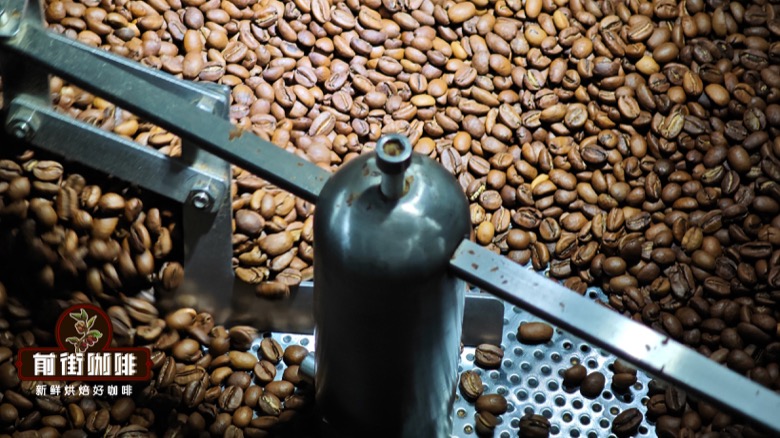
For an everyday staple that lets you experience an authentic Indonesian character, Qianjie Indonesia Wet-Hulled Mandheling coffee is a very approachable choice. It comes from the Tobac Lake region of Lintong and, after medium-dark roasting, its acidity has been smoothed down very low, releasing a solid aroma of caramel, dark chocolate and toasted bread. This bean has high extraction tolerance, so friends who like intensity can brew it with a slightly finer grind; even with a little oat milk added, the sweet, mellow aroma remains very distinct.
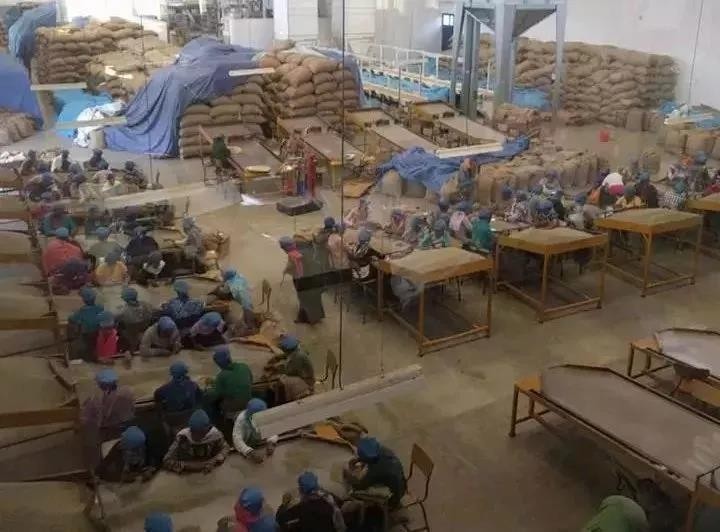
If you are after a purer, more delicate sense of layering, Qianjie PWN Golden Mandheling coffee delivers a rather outstanding experience. After strict multiple rounds of machine and hand sorting that remove the vast majority of defective beans, it lets the originally rugged Mandheling show a crystal-clear texture. When brewed, it gives off a captivating sweet aroma of sandalwood, roasted hazelnut and caramel, and the mouthfeel is sweet, mellow and thick without any messy earthy, fishy notes; whether drunk clear or strong, it is intoxicating.
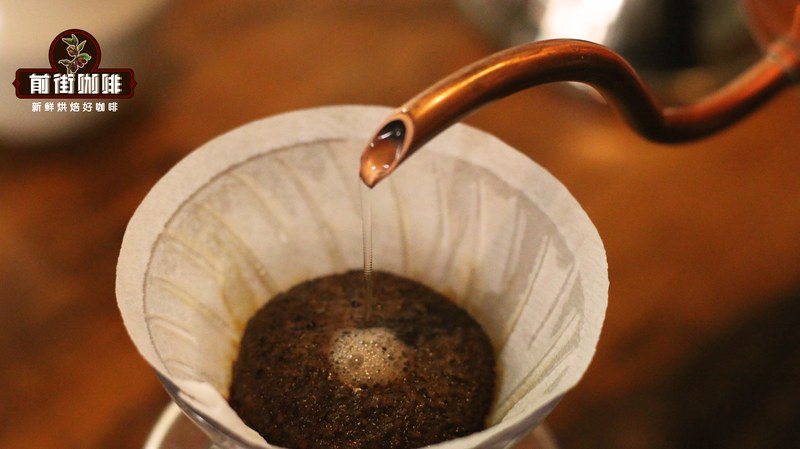
When brewing this kind of dark-roasted Mandheling, it is recommended to use the classic pour-over approach to balance the extraction yield. Take 15 g of Qianjie beans, grind to a medium-coarse granulated sugar size, and set the water temperature to 88 degrees. At a 1:15 coffee-to-water ratio, the total water poured is 225 ml. First pour 30 ml of water for a 30-second bloom, then pour steadily in stages, finishing the whole process in around 2 minutes, and you will taste a clean flavor with prominent sweetness and no burnt astringency.
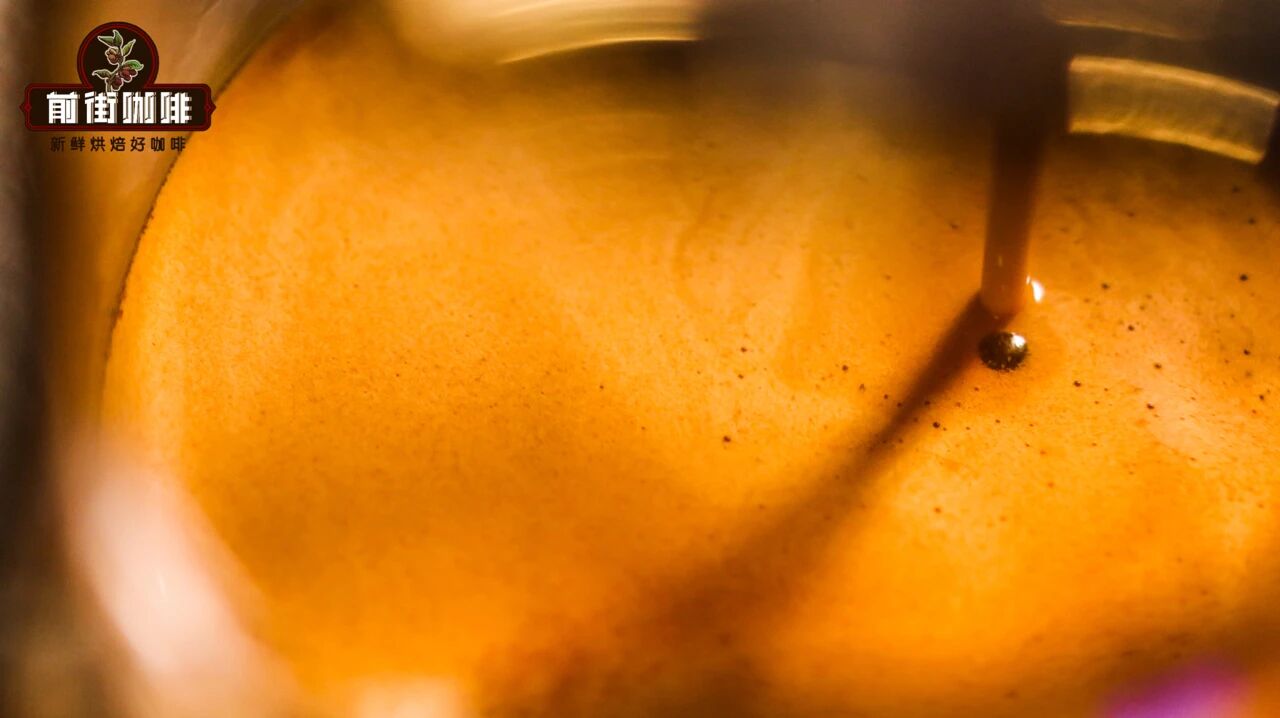
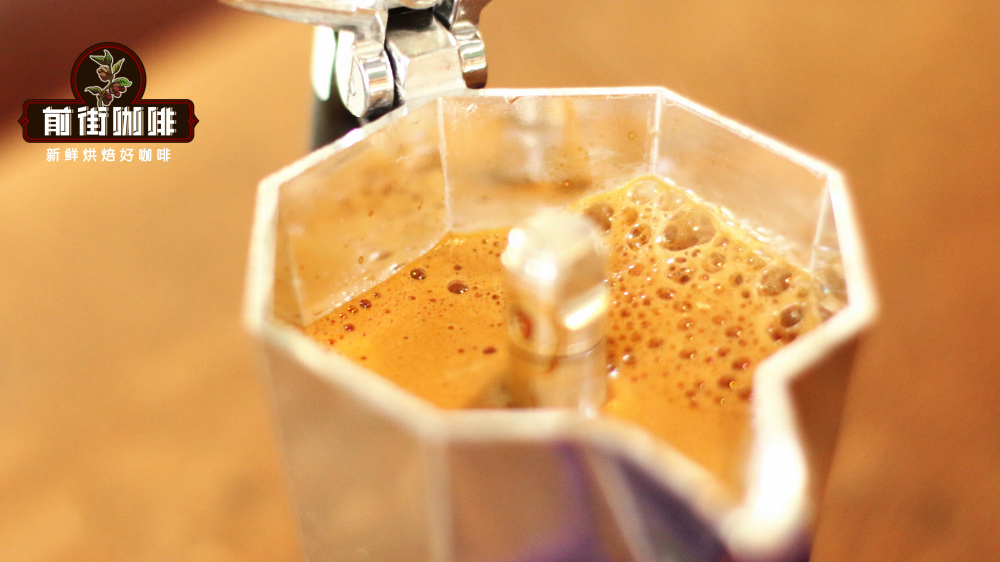
Besides single-origin pour-over, Mandheling also holds an irreplaceable place in the world of blends. Qianjie Classic Blend coffee beans draw on the long-popular Mamba structure, cleverly combining the depth of Mandheling with the smooth nutty aroma of Brazil, and adding a small amount of Robusta to boost the golden, rich crema. This dark-roasted bean is very suitable for espresso machines or moka pots; made into espresso and then combined with milk, its rich dark chocolate and nutty flavor can instantly awaken your morning energy.
Good coffee is never bound to a fixed form; understand the nature of the beans and the rules of extraction, and you can switch freely between strong and light. The fullness and sweetness of Indonesian coffee, with just a little patience in fine-tuning the grind and water temperature, can steadily present a warm, reassuring flavor in the cup. Pick a bag of beans you like, brew a cup yourself in a leisurely moment, and enjoy the nutty, caramel aroma filling the room: that is one of life's most comfortable moments.
Related Reading

Comments (0)
Loading comments...
You May Be Interested



Trending Reviews
Popular Videos

With you, wherever you are! We provide useful features to help you find new things you'll love






