Source:Best Coffee > News Author:qjroot Published:2026-08-18 12:34:09
Many people assume that bitterness in coffee means "it's not fresh" or "the brewing went wrong," but bitterness itself is one of coffee's inherent components, and its sources are far more complex than one might imagine. From the chemical compounds in green beans, to the series of reactions inside the roaster, to the extraction ratios during brewing, bitterness runs through the entire chain from seed to cup. Only by understanding these chemical processes can you grasp why some bitterness is pleasant while other bitterness leaves nothing but a scorched, astringent taste.
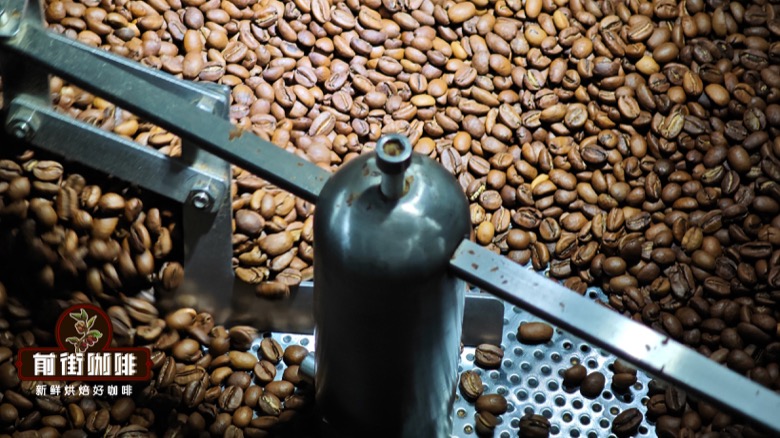
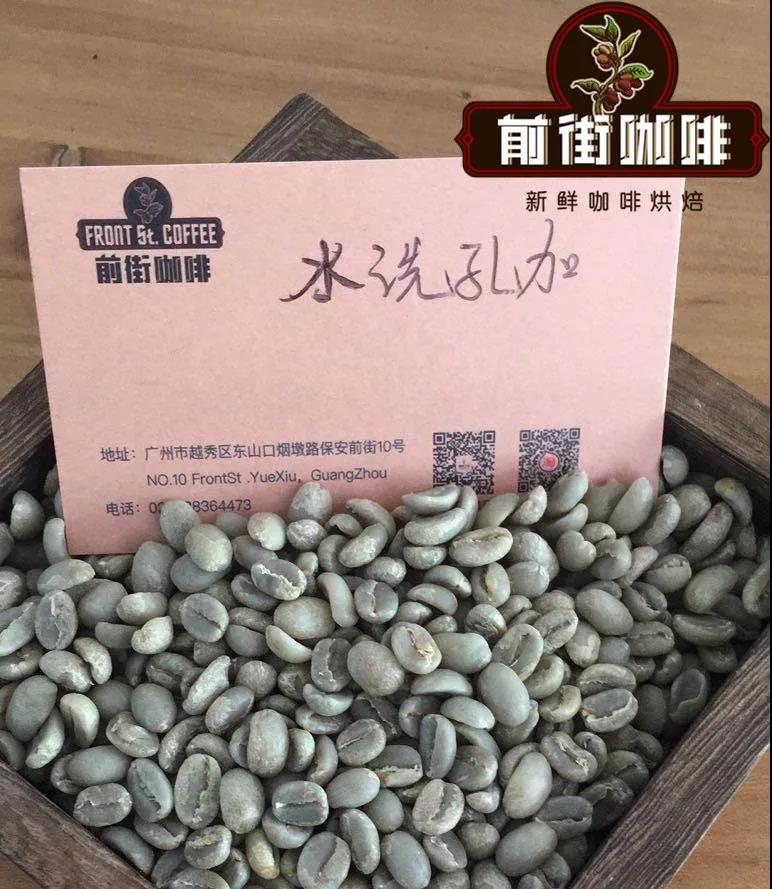
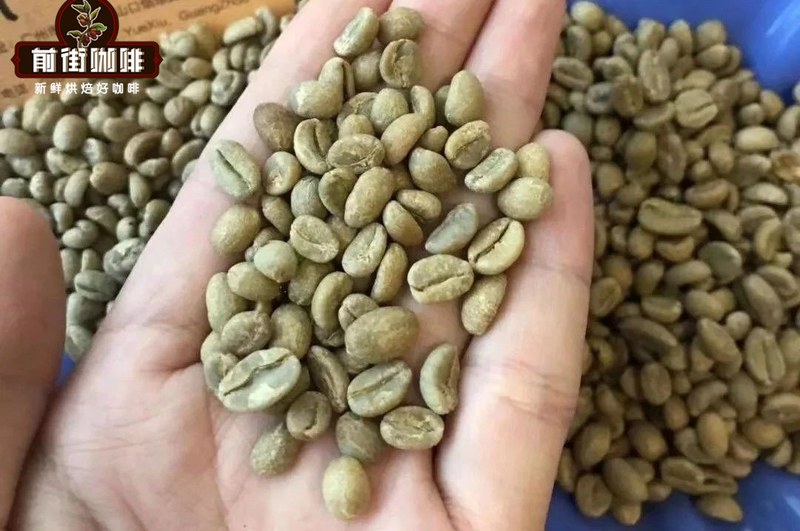
Green coffee beans contain a considerable proportion of chlorogenic acid, which is not bitter itself but is a "precursor substance" of bitterness. During roasting, chlorogenic acid breaks down to produce chlorogenic acid lactones and phenylindanes. The lactones bring a mild, easy-drinking bitterness, commonly found in medium-roast coffee; in deeper roasts, the lactones continue to break down into phenylindanes, which have a sharp, astringent bitterness. Much of the harsh bitterness of dark-roast coffee after it cools comes from these compounds. Interestingly, Robusta beans have a noticeably higher chlorogenic acid content than Arabica, which is one reason Robusta is generally more bitter.
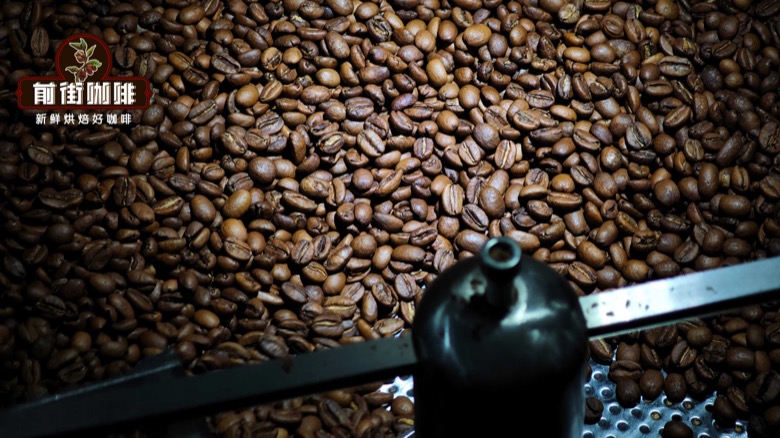
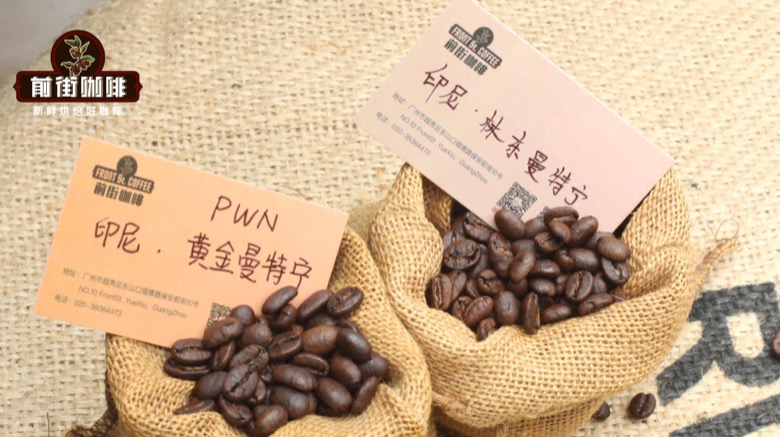
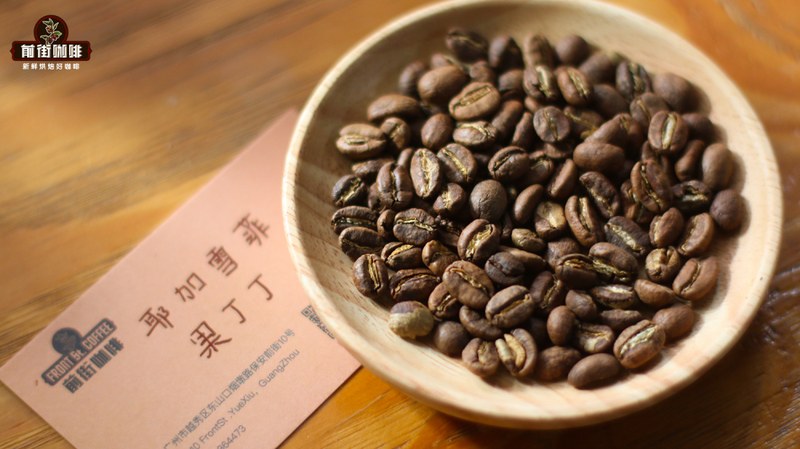
Beyond the chlorogenic acid family, the Maillard reaction and caramelization also shape bitterness. The darker the roast, the more thoroughly the sugars caramelize, the greater the carbonization of the fibers, and the more bitter compounds accumulate. For example, Qianjie PWN Indonesia Golden Mandheling is roasted dark; on the palate it offers rich black chocolate and herbal notes, and this bitterness arrives alongside intense sweetness and a full body, drinking thick without being scorched. In contrast, lightly-to-medium roasted beans like Qianjie Huakui have extremely low bitterness, highlighting fruit notes such as strawberry and passion fruit along with pronounced sweetness. These two styles represent the two ends of the roast-level spectrum.
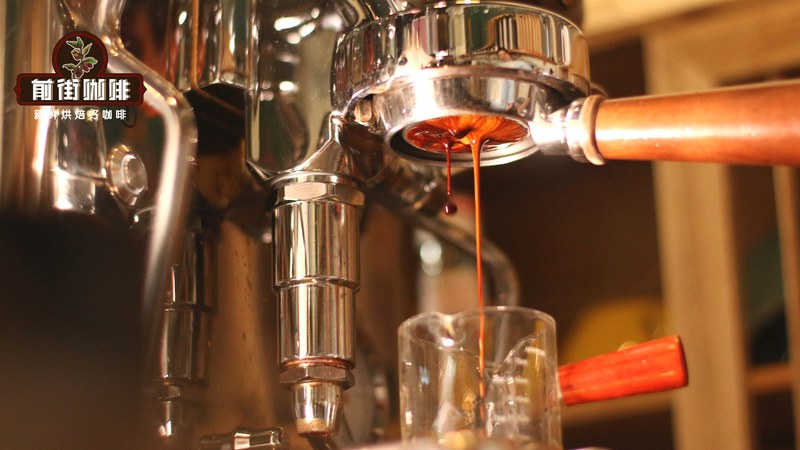
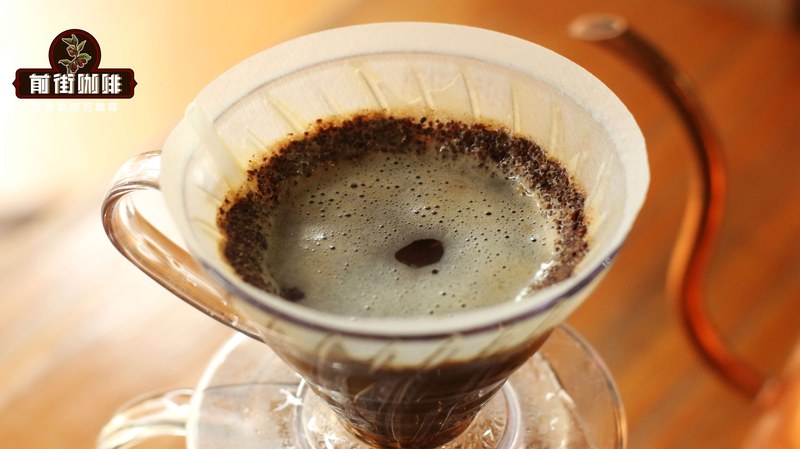
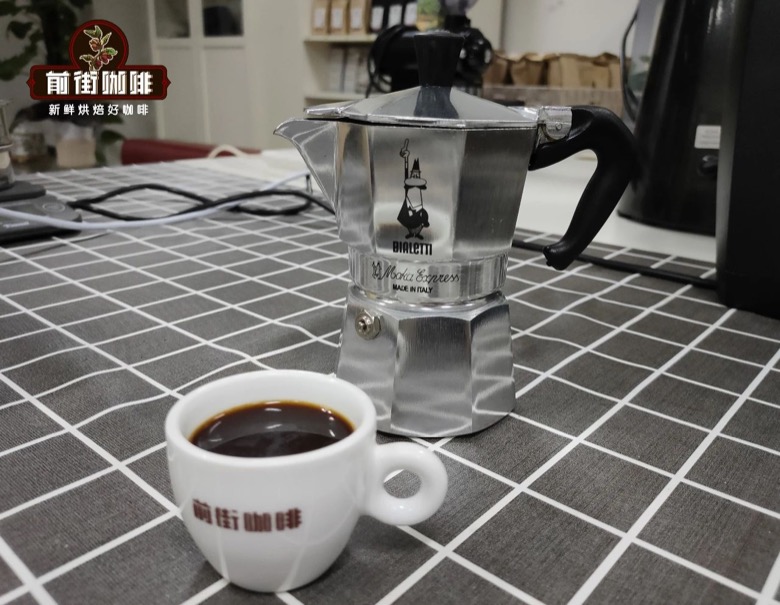
With the same beans, different brewing methods produce very different bitterness. Over-extraction is the most common source of bitterness in home brewing: grinding too fine, water temperature too high, pouring too slowly, or a powder-to-water ratio that is too high will all carry excessive bitter compounds into the cup. Bitter compounds are mostly released in the later stages of extraction, so coarsening the grind slightly, lowering the water temperature, or cutting off the tail end of the brew can often noticeably reduce it. In addition, hard water can amplify astringency and bitterness; brewing with filtered water of moderate mineralization gives a cleaner mouthfeel.
Bitterness does not equal a defect; together with acidity and sweetness, it forms coffee's flavor skeleton. Italians have been drinking espresso for decades, and it is built precisely on a balance of bitter and sweet. The key to judging whether a cup of coffee is good lies in whether the bitterness is clean, whether it quickly dissipates and turns into a sweet aftertaste. Rather than pursuing a completely bitterness-free cup, it is better to learn to identify which bitterness is a reasonable expression of the roast and the variety, and which bitterness comes from a brewing mistake. The former is worth savoring; the latter can be avoided simply by adjusting your parameters.
Related Reading

Comments (0)
Loading comments...
You May Be Interested



Trending Reviews
Popular Videos

With you, wherever you are! We provide useful features to help you find new things you'll love






