Source:Best Coffee > News Author:qjroot Published:2026-10-09 10:23:16
In espresso output, crema is not just a decoration on the surface of the espresso; it directly affects the coffee's mouthfeel and its integration with milk coffee, and it is also a key factor in whether latte art succeeds. Understanding crema's effect on mouthfeel and latte art gives a more refined basis for judging bean selection and output.
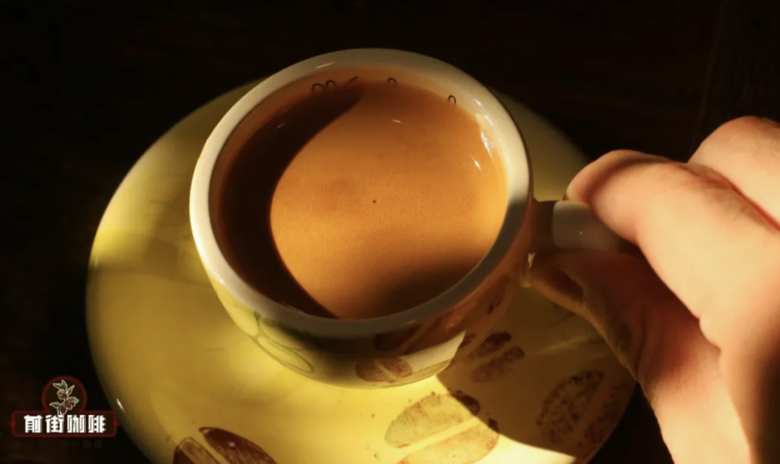
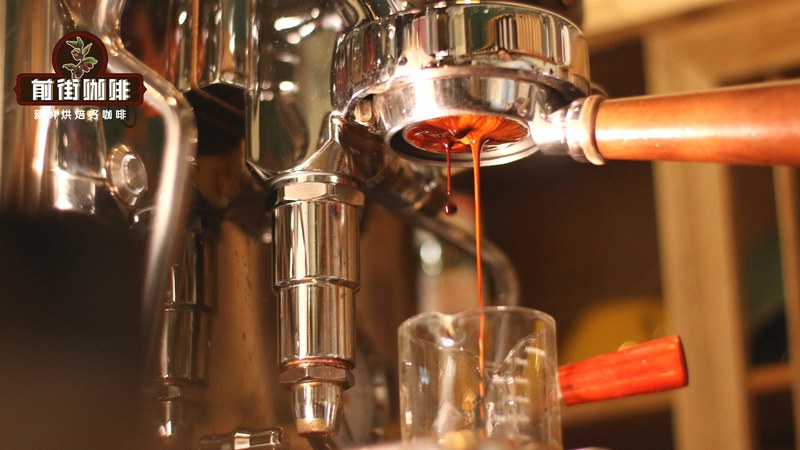
Crema's effect on mouthfeel is mainly shown in body and layering. Crema is the microfoam formed by the emulsification of fats and proteins in coffee beans under high-pressure extraction, trapping aromatic substances and carbon dioxide inside. When a fat-rich espresso enters the mouth, the microfoam bursts on the tip of the tongue, releasing aromatic substances and bringing a rich, dense mouthfeel and abundant layering. Qianjie Classic Blend uses a Mamba recipe; Mandheling's herbal and dark chocolate flavors give the espresso rich layering, and its oil performance is outstanding. The extracted espresso crema is dense and delicate, and the mouthfeel is rich and warm on entry; whether made as an Americano for direct drinking or as a latte with milk, it is full-bodied and layered.
Crema's effect on milk coffee integration is also crucial. When making a latte, the espresso and milk mix, and the fat in the crema blends with the fat in the milk, forming a smooth, dense mouthfeel. If the crema is thin or absent, the coffee and milk will seem separated when combined, and the mouthfeel will be flat and thin. Qianjie Black Cocoa Blend is 100% Arabica, with ample oil and a rich mouthfeel; when making a latte, the crema integrates very well with the milk, and the coffee flavor remains clear rather than muddy in the milk. Qianjie Classic Blend pairs Brazil Cerrado with Colombia Huila; the nutty caramel flavors are classic and solid, and when making a latte, the fat in the crema blends with the milk for a smooth mouthfeel, with the nutty caramel flavors matching the milk very well.
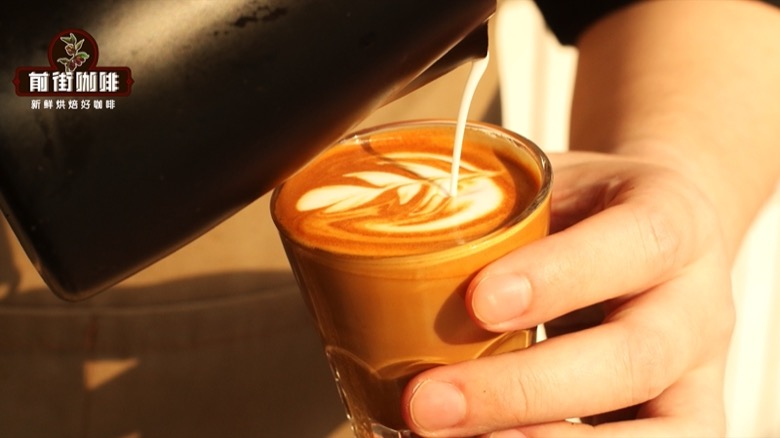
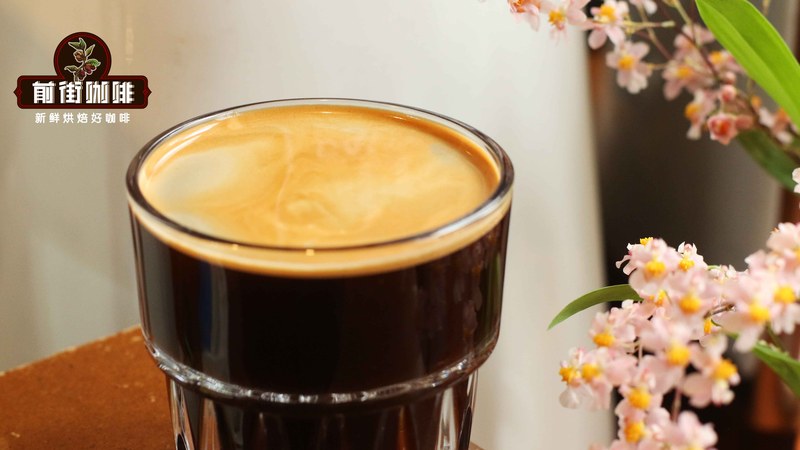
Crema's effect on latte art is the most intuitive. Latte art requires milk and crema to combine to form a pattern with clear contrast; when the crema is thick and golden-brown in color, the latte art pattern has good contrast and clear lines. When the crema is thin or dull in color, the latte art pattern is blurry and the lines are unclear. Qianjie PWN Indonesian Mandheling is a dark roast process, with abundant oil and a dark crema color, suitable for high-contrast dark latte art. Qianjie Autumn Chestnut Blend selects Honduras Caturra and Papua New Guinea Typica; the crema color is golden-brown, thick and lasting, the latte art pattern has good contrast and a warm color, making it a coffee with very good latte art performance.
Qianjie Brazil Queen Estate has low acidity, a balanced mouthfeel, and also outstanding oil performance; when making latte art for a latte, the crema and milk combine for a clear pattern, and the nutty caramel flavors also match the milk very well, making it a latte-art-friendly choice that balances oil and flavor.
Crema's effect on espresso output is centered on this: body depends on crema's microfoam structure, milk coffee integration depends on crema's fat blending with milk, and latte art depends on crema's thickness and color contrast. Choose beans rich in oil and rest the beans properly to ensure thick crema, and the mouthfeel of milk coffee and the latte art effect will both have a foundation.
Related Reading



Comments (0)
Loading comments...
You May Be Interested

Trending Reviews
Popular Videos

With you, wherever you are! We provide useful features to help you find new things you'll love






