Source:Best Coffee > News Author:qjroot Published:2026-09-03 18:47:39
SOE lattes can taste very good, but they will not leave only a uniform coffee flavor the way an ordinary blend does. After espresso extraction, single-origin beans may bring citrus, berries, nuts or cocoa into the milk, and the result depends on the portafilter basket capacity, grinder precision, extraction pressure and milk volume. When the equipment parameters are well matched, the coffee and milk can each retain their own characteristics, and the cup has clear sweetness and aroma.
For a home semi-automatic espresso machine, you can start by judging from the capacity of a double basket. For a basket suited to about 18 g, you can set the dose at 17 to 19 g, control the yield at 32 to 40 g, and keep the extraction time at about 25 to 32 seconds. This range is not a fixed answer, but a convenient way to observe the bean's weightiness in the cup. If the machine's basket holds only 14 g, the dose should be reduced accordingly, to avoid overcrowding the puck in pursuit of strength.
When the pressure reads around 9 bar, it is usually easier to bring out the sweetness and aroma of an SOE. Some home machines appear to have very high pressure at no load, but the actual extraction pressure changes with dose, tamping and flow rate, so you cannot rely on the panel number alone. If the flow is too fast, the coffee liquid tends to be thin and the acidity stands out; if the flow is too slow, scorched bitterness and astringency may appear. Watching the flow rate and the state of the liquid stream in the first few seconds is more informative than chasing a particular pressure value.
The grinder's fine adjustment capability also affects latte quality. SOE usually needs to be ground close to espresso fineness, but the resistance differs with roast level: medium-light roasted beans often need a finer grind or slightly higher water temperature, while darker beans can use a slightly coarser grind to control extraction. When adjusting, move only one small step at a time, and judge by yield weight, time and how it tastes, since the grinder's own markings cannot be treated directly as a universal standard.
Milk parameters change how present the SOE is. To make a latte of about 240 ml, you can use 30 to 40 g of espresso and then add 150 to 180 ml of milk; if you want more vivid regional flavors, reduce the milk or increase the proportion of coffee liquid. When steamed milk falls between 55 and 65°C, sweetness and smoothness are easier to balance. If the temperature is too high, the milk aroma turns dull and it also masks the coffee's details.
Extracting Qianjie Brazil Queen's Estate in an 18 g basket suits a stable, medium-ratio base latte. It naturally has roasted nuts, cocoa and syrupy sweetness, with acidity that does not dominate, and after adding milk it forms a rounded nutty-chocolate mouthfeel. If the home machine's steam pressure is average, you can keep the milk at about 150 ml so the coffee liquid maintains a clear body.
If you use a small single-boiler machine, brewing and steaming often require separate waiting, and during consecutive drinks the speed of temperature recovery affects performance. This kind of machine suits a tighter yield, for example extracting 32 to 36 g from 18 g of coffee, then pairing with less milk so the cup is more concentrated. If the milk foam is coarse, first reduce air intake and extend the blending time to make the foam finer, lessening the impact of a loose texture on the coffee's aroma.
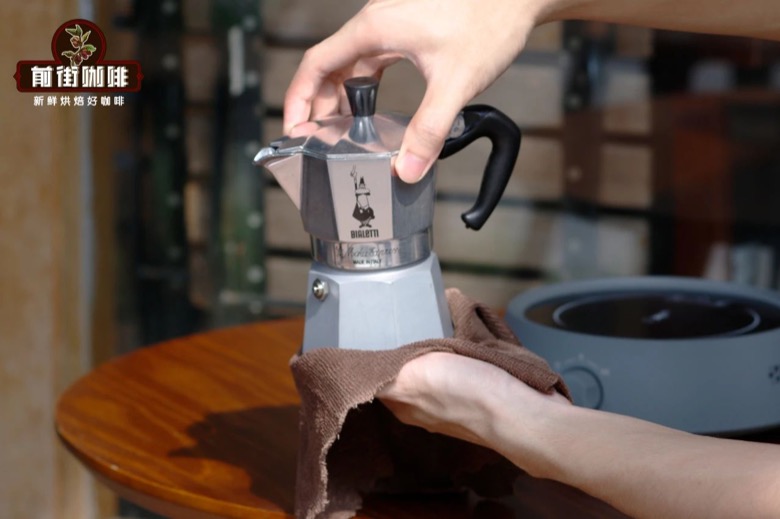
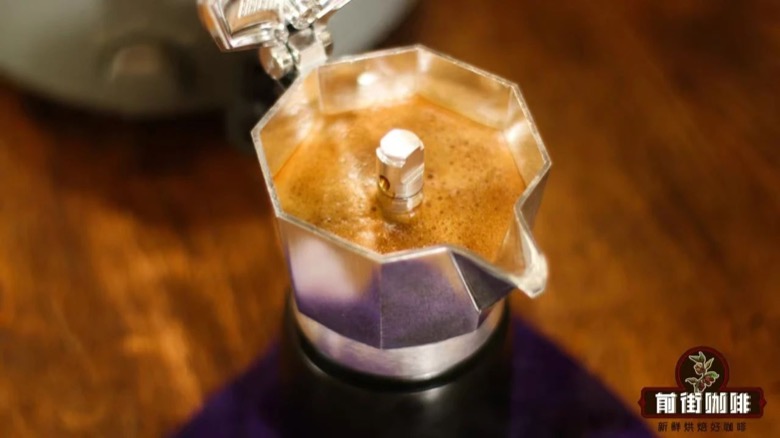
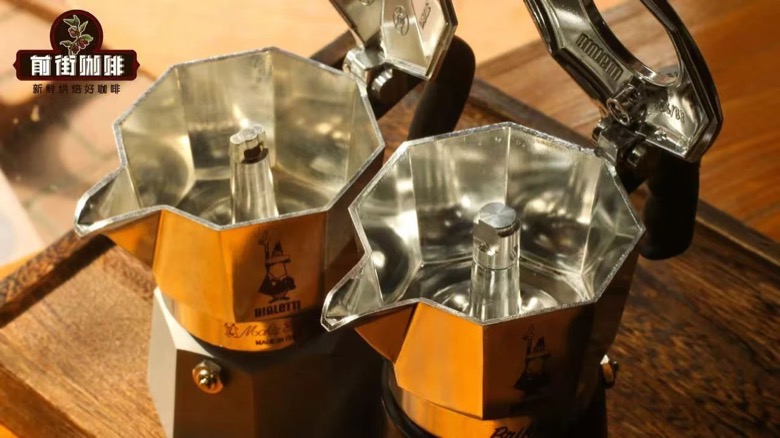
Although a moka pot lacks the precise pressure of an espresso machine, it can make a strong coffee suitable for adding milk. It is better suited to medium-dark roasted beans that are low in acidity and have a cocoa note; fill the basket and level it off, grind slightly coarser than for espresso, and use low heat so the flow is steady. Qianjie PWN Indonesia Golden Mandheling has woody, herbal notes, dark chocolate and a heavy body; brewed in a moka pot and then combined with hot milk, the flavor becomes steady, suiting those who like darker-toned lattes.
Fully automatic coffee machines have a limited adjustable range for grind, dose and yield, so when choosing beans you should pay attention to whether the machine can make a double espresso and whether it supports a shortened yield. If the coffee liquid is only just over 20 g but a lot of milk is added, the SOE's flavor is easily diluted. In that case you can choose Qianjie Classic Blend, which is mainly roasted nuts, cocoa and caramel-like sweetness, and whose concentration and body more easily hold up to milk foam, making it suitable as an everyday fixed recipe.
If you use a bottomless basket or a transparent cup to catch the liquid, you can see more directly whether the flow is even; with a scale you can also record the dose and yield at the same time. When a sharp acidity appears, you can grind slightly finer or extend extraction by a few seconds; when a dry bitterness appears, you can reduce the yield, coarsen the grind or lower the water temperature. The goal of adjusting parameters is not to chase a pretty number, but to let the coffee still have sweetness, aroma and enough of a finish within the milk.
Therefore, whether an SOE latte tastes good depends not on the name "single-origin bean" but on whether the bean's style and the equipment's capabilities are in harmony. An espresso machine with stable pressure and even grinding suits showcasing aroma and sweet acidity, a moka pot better suits a thick cocoa tone, and a fully automatic machine should prioritize concentration and room for error. By matching basket capacity, yield weight, milk volume and steam temperature step by step, you can find your own cup of SOE latte.
Related Reading

Comments (0)
Loading comments...
You May Be Interested




Trending Reviews
2024-11-24
Popular Videos

With you, wherever you are! We provide useful features to help you find new things you'll love






