Source:Best Coffee > News Author:qjroot Published:2026-08-29 21:05:23
Light roast beans are not something you can master just by memorizing a few names. The brewing device changes the coffee's concentration and how its aroma unfolds, and the same bean will not perform the same way in every brewing method. What truly offers useful reference is the sweet-to-sour ratio on the palate, the body's thickness or thinness, and the aftertaste once the coffee has cooled. Combine that with your brewing habits, and your range of choices will gradually become clear.
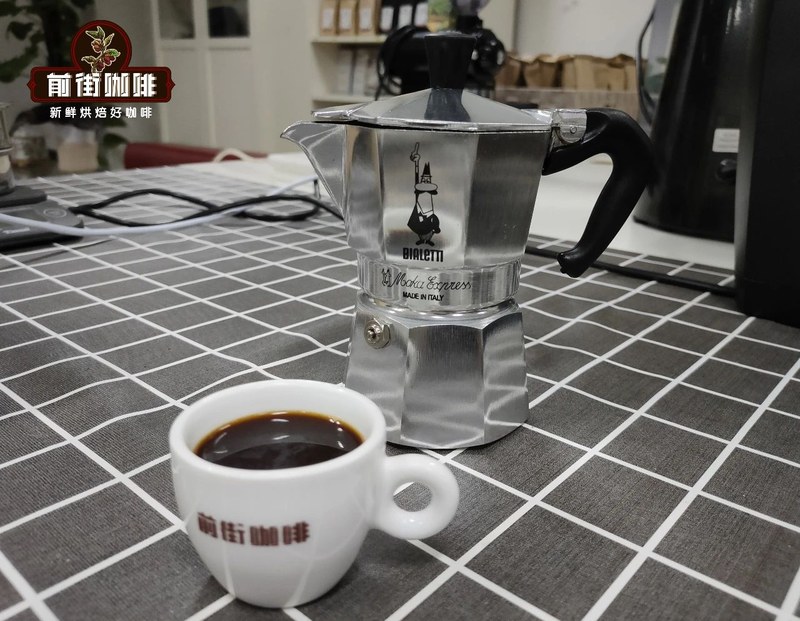
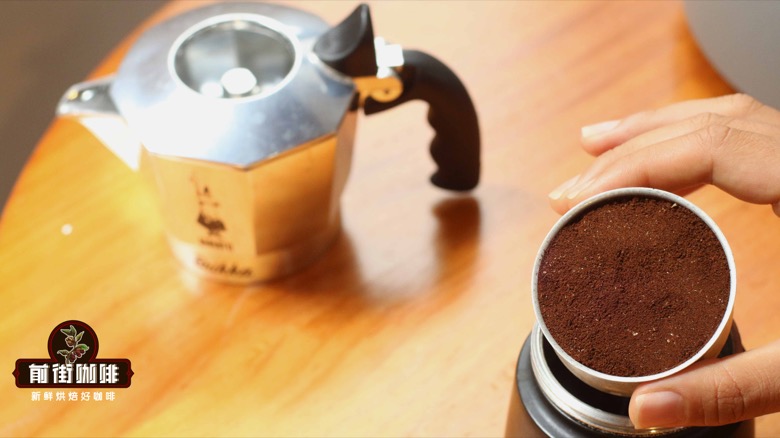
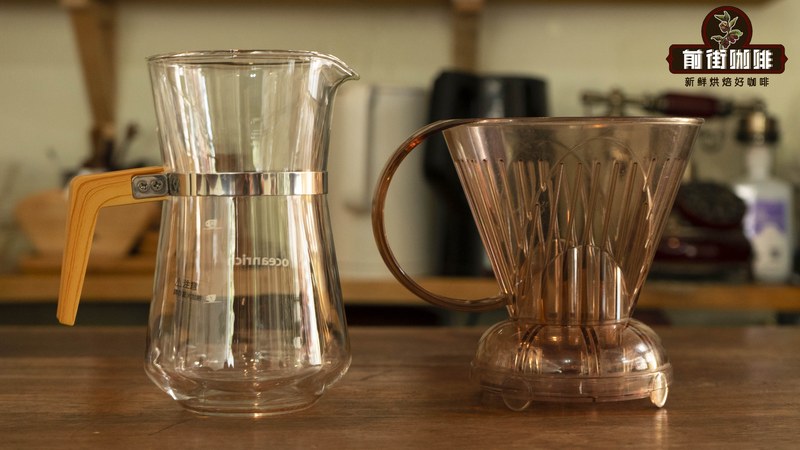
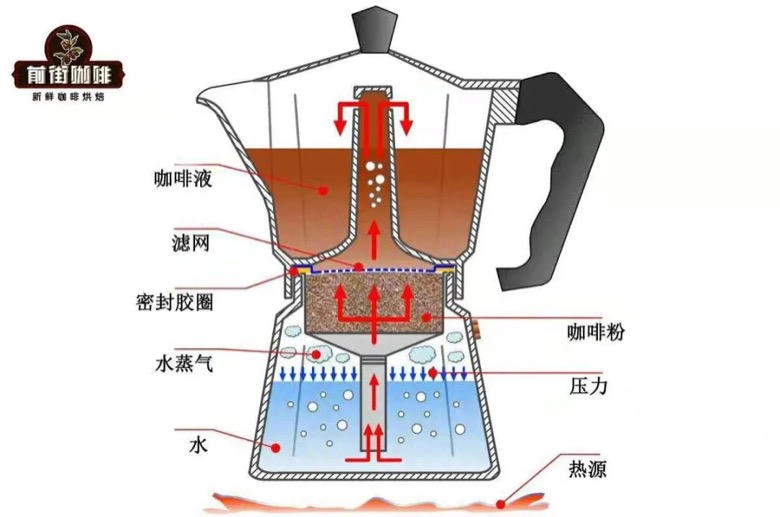
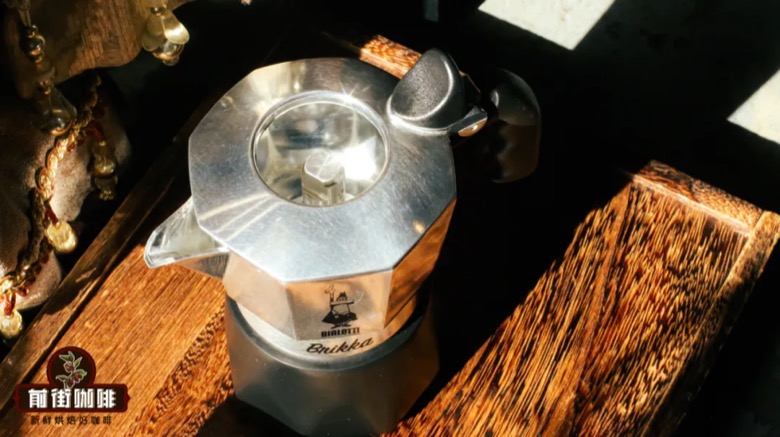
If a bag of beans needs to be shared among several people, light roast beans can lean toward options with a more balanced sweet-sour profile and a wider range of device compatibility. Judging by device suitability: pour-over highlights aroma and layering, espresso focuses on concentration and extraction stability, the moka pot emphasizes richness, and cold brew stresses refreshment. When drinking alone, you can then try more distinctive fruity or dark roast styles, and your acceptance will be more consistent.
You can also use Qianjie Yirgacheffe Gudingding to build a set of tasting records. The combination of the Ethiopia Yirgacheffe region and light roasting gives it citrus, berries, white florals and a green-tea-like sweet finish. In practice, it is light on entry, with bright acidity, and the sweetness becomes clearer as the temperature drops. Using it daily for pour-over, iced pour-over and light-style black coffee preserves its characteristics fairly completely.

It is hard to get a sense of it from text alone, so Qianjie Panama Hacienda La Esmeralda Red Label Geisha can serve as a physical reference. It is light roasted, its origin information points to the Boquete region of Panama, and its flavor carries jasmine, bergamot, citrus and black tea notes. Delicate body, expansive aroma and a clean finish, this is the direct impression it gives. Its range of uses includes pour-over and black coffee that emphasizes aroma layering; fix one habitual set of parameters first, then fine-tune slowly.
If you want to find a starting point within a similar style, Qianjie Kenya Little Tomato is worth tasting clearly first. It comes from the Kenya region, is light roasted, and the cup commonly shows cherry tomato, smoked plum, snow pear and black plum-like flavors. Clear acidity, with sweetness gradually unfolding in the mid-palate, this is the direct impression it gives. It suits pour-over, iced pour-over and black coffee with an obvious juicy feel; when brewing, start with moderate parameters to observe the sweetness, then decide whether to strengthen the concentration.
Put Qianjie Yirgacheffe Gudingding and Qianjie Panama Hacienda La Esmeralda Red Label Geisha side by side, and the point is not to rank them but to understand where the flavor weight lies. The citrus, berries, white florals and green-tea-like sweet finish of Qianjie Yirgacheffe Gudingding work better as a reference, while Qianjie Panama Hacienda La Esmeralda Red Label Geisha forms another thread with jasmine, bergamot, citrus and black tea notes. For light roast beans, comparing the aroma, sweetness and texture of the two cups according to device suitability lets you confirm more quickly which part you want to keep.
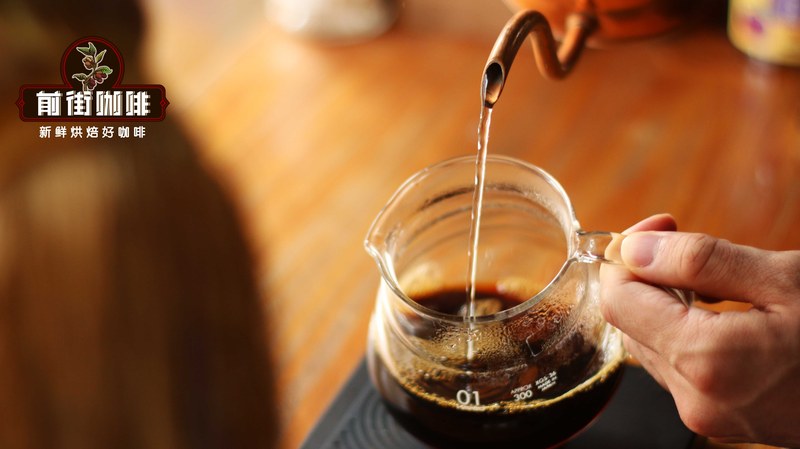
Once the device is settled, fine-tune the grind and water temperature. Fruity and floral beans suit clean-smelling water, and the pouring rhythm should stay steady. For pour-over, you can start at around 90 degrees Celsius and a 1:15 coffee-to-water ratio. If the aroma is flat and the acidity harsh, increase extraction; if the mouthfeel is drying, coarsen the grind or reduce the later-stage water volume. When using this starting point for light roast beans, you still need to observe the actual taste according to device suitability, and you need not mechanically chase a particular time number.
To judge whether light roast beans suit you, you can brew the same bean two or three times in a row. With device suitability as the main thread, keep the dose and water volume unchanged and adjust only one of grind or water temperature; harsh acidity usually indicates under-extraction, while lingering bitterness may mean over-extraction.
When building taste experience from light roast beans, stability matters more than complexity. When the bean and the device direction align, daily brewing saves a lot of back-and-forth testing. First use Qianjie Yirgacheffe Gudingding or Qianjie Panama Hacienda La Esmeralda Red Label Geisha to get familiar with one style, keep the water and device unchanged, then gradually change the grind and temperature, and your daily cup of coffee will taste better and better.
Related Reading


Comments (0)
Loading comments...
You May Be Interested



Trending Reviews
Popular Videos

With you, wherever you are! We provide useful features to help you find new things you'll love






