Source:Best Coffee > News Author:qjroot Published:2026-09-02 18:31:19
To get chocolate flavor in the cup, choosing beans cannot rely only on the words "cocoa" or "dark chocolate"; you also need to look at how your home equipment extracts. Pour-over amplifies aroma and sweetness, a moka pot emphasizes body, and an espresso machine requires the coffee liquid to have enough concentration. By selecting based on dose, water temperature, grind and yield, chocolate notes will appear in the cup more consistently.
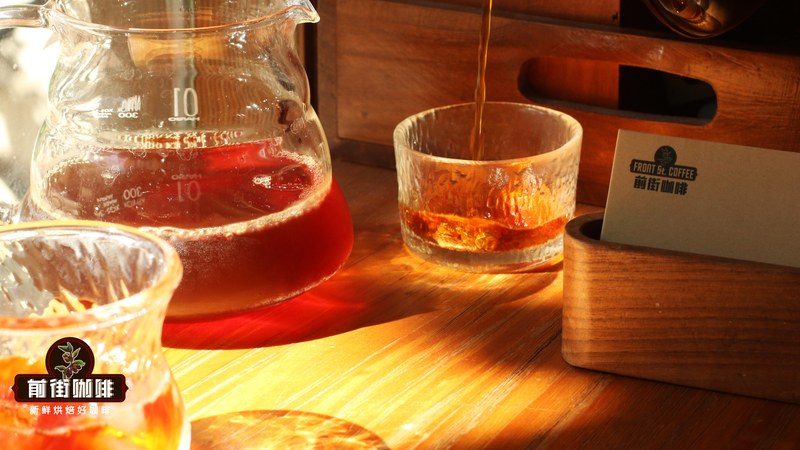
Pour-over equipment suits people who want clear sweetness without too heavy a mouthfeel. Medium or medium-dark roasted beans are usually easier for bringing out cocoa, nut and caramel notes. Water temperature can start at around 90°C, the coffee-to-water ratio is about 1:15, and the grind should be medium-fine. Pouring does not need to be too aggressive; letting the coffee flow evenly through the coffee bed preserves round sweetness.
Qianjie Brazil Queen's Estate fits this pour-over approach. Its nutty aroma, cocoa feel and caramel-like sweetness connect with one another, and its acidity is relatively soft. Using 15 g of coffee and 225 g of water as a starting point, with water temperature around 90 to 92°C and total time controlled at 2 minutes 30 seconds to 3 minutes, the cup will taste more like a combination of milk chocolate and roasted nuts.
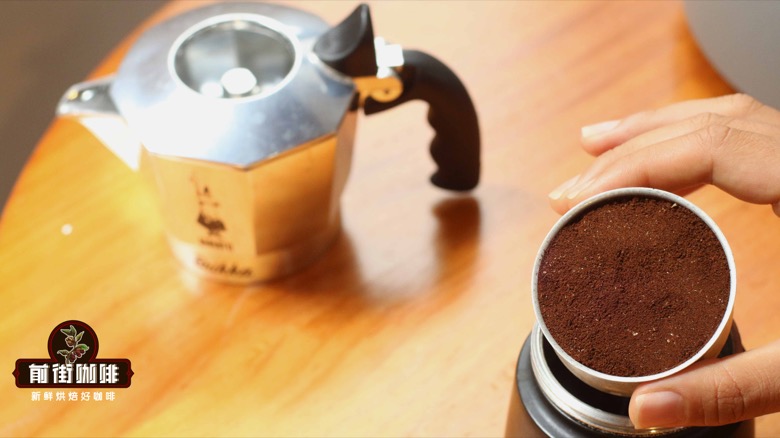
If using a moka pot, chocolate flavor often becomes more concentrated and the mouthfeel thicker. Fill the filter basket to capacity with coffee and level it off, grind slightly coarser than espresso, and add water only up to below the safety valve. Keep the heat low; once the coffee begins to flow continuously, watch the color change, remove the pot from the heat when the tail end becomes lighter, then cool the base under cold water.
Qianjie PWN Indonesia Golden Mandheling is very suitable for a moka pot. It carries herbal notes, a deep dark-chocolate-like feel and a thicker texture, with little noticeable acidity. If the result feels too strong, add a small amount of hot water to make an americano; if you want to keep the weight, drink it straight. It suits breakfast or pairing with baked pastries.
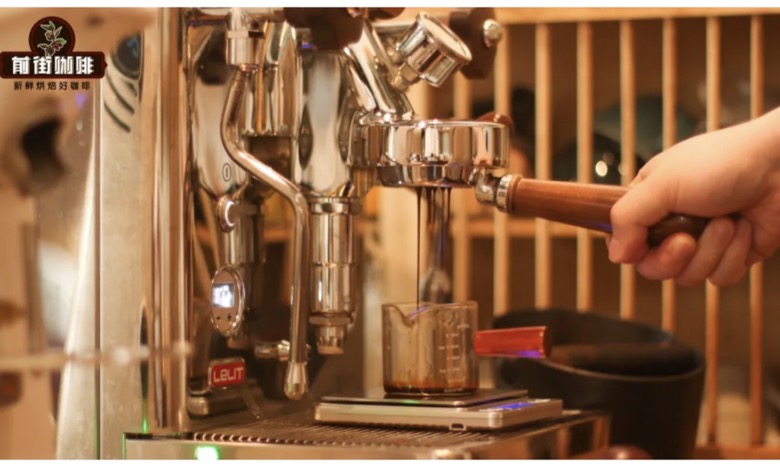
An espresso machine requires attention to the interaction among dose, yield weight and extraction time. Start with 18 g of coffee extracted to 36 g of liquid, with time placed between 26 and 32 seconds, then move the grind setting based on taste. If the chocolate flavor seems thin, you can grind slightly finer; if dry bitterness and scorched notes appear, reduce how much the coffee bed slows the flow, or appropriately shorten the yield weight.
Qianjie Classic Blend is more suitable for espresso machines and everyday milk coffee. It focuses on nut, cocoa and caramel directions, has good body as an espresso, and still retains the coffee's roasted sweet aroma after milk is added. To make a latte, start with 18 g of coffee, 36 g of liquid and 150 to 180 g of milk; when the amount of milk is reduced, the cocoa feel becomes more distinct.
For those who like americano, consider the espresso's concentration together with the water ratio. First keep the espresso liquid with enough weight, then add hot or iced water, and the chocolate flavor will not be easily diluted. If you prefer a hefty mouthfeel, use medium-dark roasted beans and reduce the amount of added water; if you want something easier to drink, use medium roasted beans to keep nutty sweetness and soft acidity.

The same bean will show different emphases in different equipment, and the parameters should shift accordingly. When pour-over emphasizes aroma, water temperature and pouring speed should remain stable; when a moka pot emphasizes concentration, heat level is more worth attention than extending heating time; with an espresso machine, observe the flow state and the mouthfeel on entry. Only by comparing this way can you judge whether you like cocoa aroma or a thick chocolate mouthfeel.
When buying, you can also pay attention to the roast date, packaging seal and weekly consumption. If the beans are too fresh, espresso extraction may have an unstable flow rate; after a few days of resting, sweetness and concentration are usually easier to adjust. For pour-over and moka pot, buy in small amounts so it is easier to find the right point amid flavor changes; espresso machines use a larger amount, so priority should be given to styles with stable cup performance.
Chocolate flavor is not equivalent to strong bitterness. Suitable water temperature, grind and yield control can also let cocoa notes show layers of sweetness, thickness and smoothness. Whatever equipment you use at home, start from the corresponding dose and extraction method, then choose beans with a matching flavor direction, and everyday black coffee, moka pot coffee and milk coffee can all find a more agreeable answer.
Related Reading



Comments (0)
Loading comments...
You May Be Interested


Trending Reviews
Popular Videos

With you, wherever you are! We provide useful features to help you find new things you'll love






