Source:Best Coffee > News Author:qjroot Published:2026-09-19 12:33:32
When practicing latte art, the layer of fine, dense crema on the surface of the extracted espresso is crucial. After many friends buy an espresso machine, faced with the dazzling array of coffee beans on the shelf, they often hesitate between blend beans and single-origin SOE. In fact, these two routes have completely different flavor logic and visual presentation. Once you understand their respective characteristics, you can easily find a good helper that fits your practice rhythm.
Blend coffee beans are often a very handy partner when practicing latte art, and their core design philosophy is the pursuit of balance and stability. Roasters combine beans from two to three different origins or processing methods, for example, using medium-dark roasted South American natural beans to provide full nutty and cocoa sweetness, then pairing with a small amount of washed beans to increase cleanliness. This combination can produce a dark and sufficiently thick crema layer during espresso extraction, providing a clear contrasting canvas for milk foam.
When making espresso with classic blend beans, it is recommended to use 19 g of coffee grounds to extract 38 g of coffee liquid, with the total time controlled at 26 seconds to complete constant-pressure extraction. The espresso extracted this way has a rich texture, and the crema is golden and elastic. When pouring steamed smooth hot milk, the espresso crema can steadily support the microfoam, the lines are distinct, and the taste is also the familiar caramel chocolate milk aroma, with high inclusiveness.
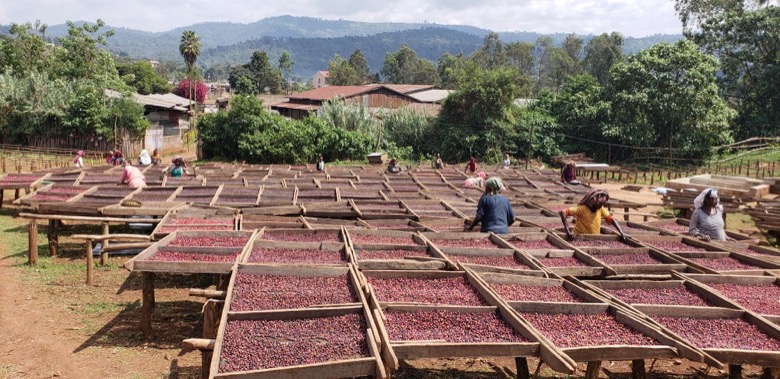
If you are used to traditional nutty flavors and want to drink distinct fruit tones while doing latte art, the single-origin SOE route will bring a refreshing surprise. SOE means single-origin espresso, which puts single-origin beans originally used for pour-over into an espresso machine for extraction. Single-origin beans usually retain unique terroir characteristics. Although the crema of light roast or medium-light roast is relatively thin, when combined with milk it inspires a fresh and sweet taste similar to a fruit milkshake.
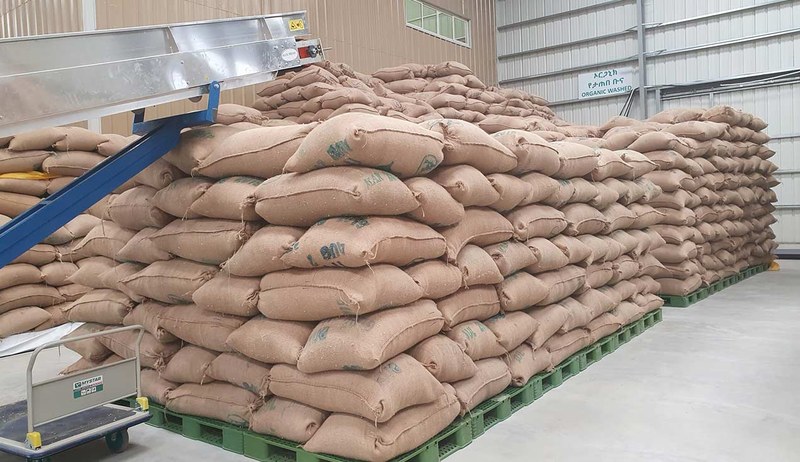
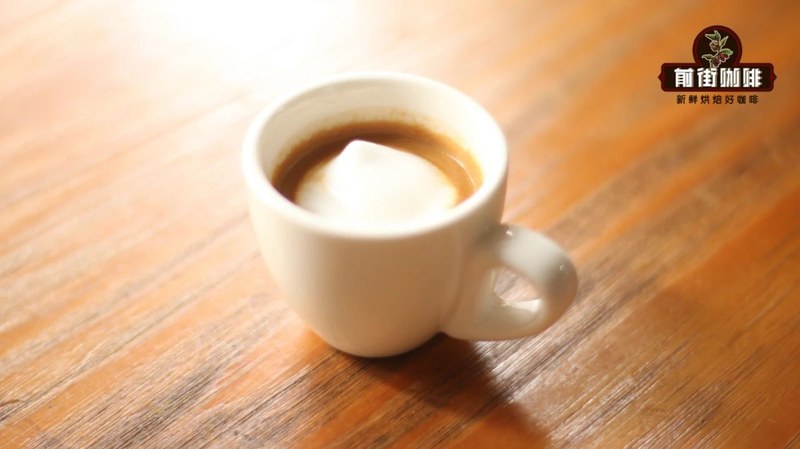
For example, this Qianjie Colombia Pink Bourbon bean shows a distinctive recognizability when used to make SOE milk coffee. It has a complex juice aroma of passion fruit, blueberry, grape and ripe apricot. During espresso extraction, use 18 g of coffee grounds and produce 36 g of coffee liquid with constant-pressure extraction, maintaining the total extraction time at 27 seconds. The extracted liquid has a bright fruity acidity and sweetness, and after blending with milk it becomes a special latte full of tropical fruit candy flavor.
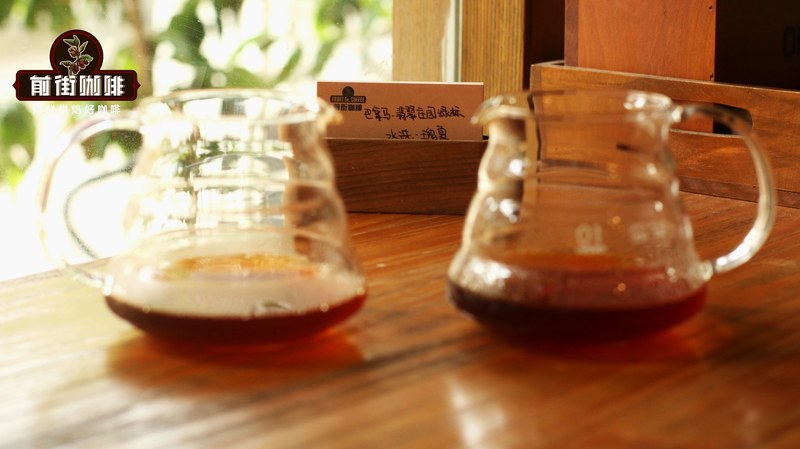
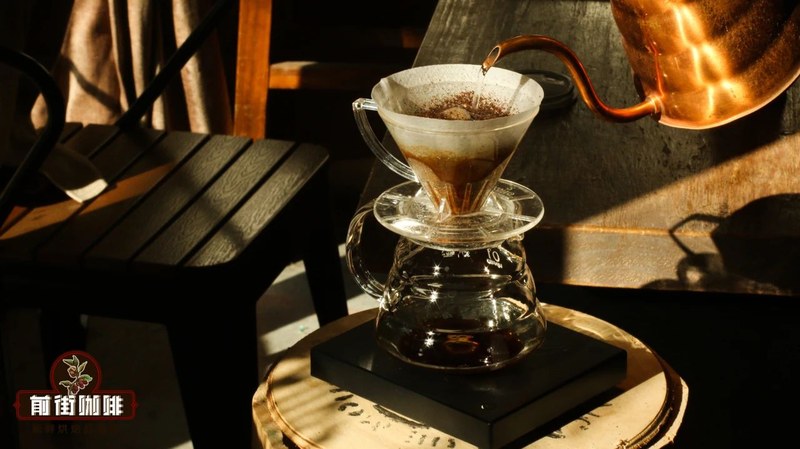
This Qianjie Colombia Pink Bourbon is also very suitable for brewing pour-over black coffee. If you want to feel its original clean and delicate juice texture, you can use 90°C water temperature, take 15 g of coffee grounds, and use a 1:15 coffee-to-water ratio to pour 225 ml of hot water. First pour 30 ml of water and bloom for 30 seconds, then pour steadily in two stages up to 225 ml, with the total time controlled at 1 minute 55 seconds. In the cup, the aromas of passion fruit and apricot show distinct layers as the temperature changes.
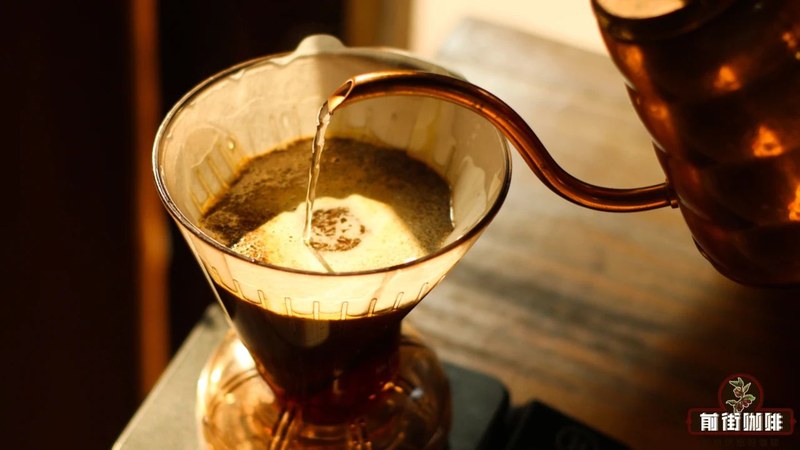
When choosing single-origin beans, if you want light floral and fruity aromas, Qianjie Yirgacheffe Gudingding is also a highly favored classic choice. This bean gives off elegant citrus and berry aromas, with a green tea-like sweetness in the finish. When making light-roast pour-over, it is recommended to use 91°C water temperature, pair with 15 g of ground coffee, control the coffee-to-water ratio at 1:15, pour 225 ml of hot water, bloom for 30 seconds, then pour evenly in three stages, with a total time of about 2 minutes 05 seconds, and the acidity is soft and bright.
When looking at coffee bean packaging in daily life, understanding the formula ratio can help us quickly predict the latte art condition. Usually, when natural beans account for more than 60% of the formula, the sweetness and crema thickness of the coffee liquid will be relatively ample, and the pattern is not easy to spread during latte art; when washed beans account for a high proportion, the flavor is brighter and more refreshing, and the crema is slightly lighter. In the early stages of learning latte art, paying more attention to the roast date and origin ratio on the bean bag can help you more calmly master the floating and supporting feel between milk foam and the liquid surface.
If you pursue a more delicate and elegant high-grade flavor, Qianjie Panama Hacienda La Esmeralda Red Label Geisha is often suitable to leave for pour-over to savor slowly. Use 92°C water temperature, 15 g of grounds, pour 225 ml of hot water at a 1:15 coffee-to-water ratio, bloom for 30 seconds, then pour steadily in two stages, with the total time controlled at exactly 2 minutes. The jasmine, bergamot and black tea notes it presents are extremely fine, and it is usually more recommended to drink as black coffee to feel its regional character.
Using blend beans as the foundation for daily latte art practice and stable output can solidly build control over milk foam fluidity and pattern structure; while keeping a bag of single-origin beans with prominent flavor allows you to explore the rich layers of fruity milk coffee after your skills become proficient. Clearly recognize the flavor attributes and extraction requirements of the two, and plan your bean list according to your own brewing habits. Every fusion and every cup served will become calm and full of fun.
Related Reading
Comments (0)
Loading comments...
You May Be Interested
2024-11-08

Trending Reviews
Popular Videos

With you, wherever you are! We provide useful features to help you find new things you'll love






