Source:Best Coffee > News Author:qjroot Published:2026-08-15 10:47:20
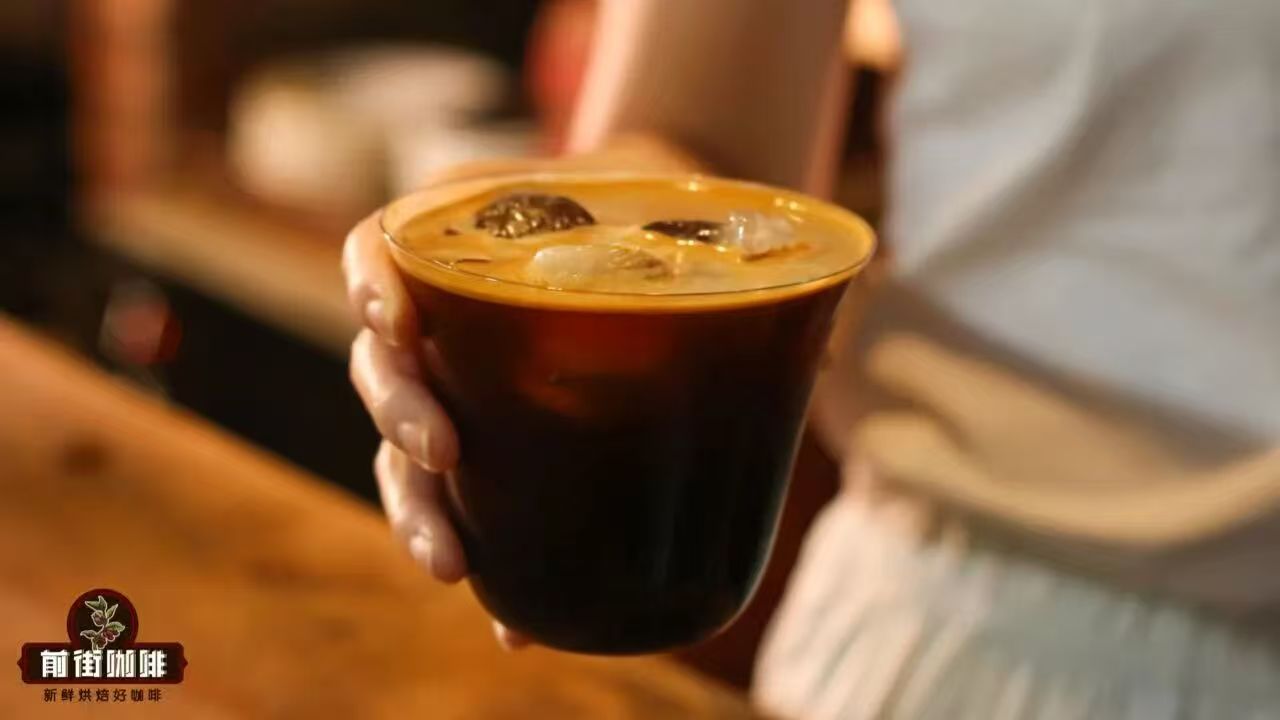
Opening a coffee shop usually means two lines on the menu: first, the espresso line, serving milk-based and black coffees like Americano, latte, cappuccino and Dirty; second, the pour-over line, serving single-origin pour-overs for customers who like to savor flavors in detail. These two lines have completely different requirements for beans, and the approach to choosing beans differs as well. This article explains the bean-selection logic and pairing methods for both lines in one go.
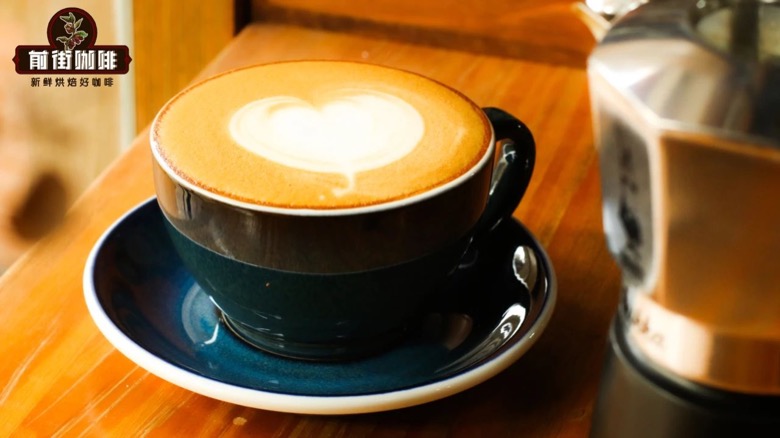
Espresso coffee accounts for the bulk of a store's cup output, so the requirement for beans is stability, balance and a high tolerance for error. The same bean must be able to pull a consistently good espresso whether it is morning, noon or night, sunny or rainy, supporting the output of latte, cappuccino and Dirty. The espresso line generally prioritizes blend beans, which complement each other in flavor, have stable batches and make output more controllable.
This blend is designed specifically for espresso preparation and moka pots, and its standout feature is excellent crema - even a beginner using a non-professional home espresso machine can easily pull dense, fine crema. The latte, cappuccino and Dirty you drink every day all depend on good crema, and this Classic Blend fits such needs very well. It uses the traditional Mamba blend formula, with a rich and mellow mouthfeel that both veteran coffee drinkers and complete beginners can easily accept. It is a safe choice for both home and commercial use.
For shop owners who want to control costs, "good taste, solid price" is the key, and this Qianjie Dark Cocoa Blend meets exactly that need. It uses 100% Arabica beans, with abundant crema, a rich mouthfeel and a very affordable price, balancing quality and value for money. Shop owners who choose it save both worry and money.
What the pour-over line sells is "flavor distinctiveness." Customers are willing to pay for a cup of pour-over often because it delivers a taste no one else has. So the bean-selection logic for the pour-over line is "origin character first," and both rich-bodied and floral-fruity styles can be offered to satisfy customers with different taste preferences.
It uses a dark roast process, with very low acidity, a rich and lingering mouthfeel, and an aroma full of herbal and dark chocolate notes on entry, mixed with a faint earthy note, giving it rich layers. It suits those who like bold flavors and dislike acidity, and it is a bean on the pour-over list that really retains veteran connoisseurs.
It has very low acidity, a very balanced mouthfeel, rich nut and cocoa aromas, and a clear caramel sweetness. It goes down smooth without astringency, warm and lingering. It works well for pour-over, espresso or moka pot extraction, making it a highly accepted all-purpose option.
It comes from Finca La Divisoria in Colombia, is the same bean variety as a competition champion, and the growing region sits at an altitude of 1650-1800 m. The Sidra uses a double anaerobic natural process and a medium-light roast, fully preserving its native fruit aromas: the dry fragrance carries jasmine and citrus notes, and on entry you can taste an intense juice-like quality woven from passion fruit, blueberry, grape and apricot, with bright fruit acidity that is crisp and soft, and a lingering cocoa aftertaste in the finish. It suits a variety of brewing methods such as pour-over, espresso SOE and cold drip, and as a pour-over it delivers a very distinct juicy character.
This is a popular fruity espresso blend, relying on the native flavors of Arabica beans from different origins blending together to recreate a distinct strawberry gummy-candy sweetness. Coffee drinkers who prefer fruity coffee and fear bitterness, or shops that want to offer a differentiated specialty milk coffee, can choose it. It has sweetness as a pour-over and character as a milk coffee, so one bag covers multiple ways of serving.
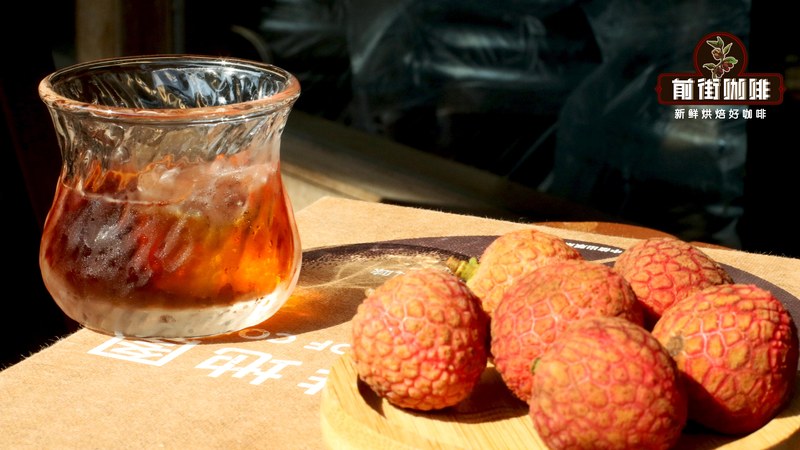
Huakui is one of the most representative star products in the specialty coffee market in recent years, and its standout feature is extremely prominent tropical fruit aroma, where you can often smell rich notes of strawberry, passion fruit, jackfruit and even lychee. It has obvious sweetness and very low bitterness, goes down smooth and is full of a juicy quality, described by many consumers as "the coffee that tastes least like coffee." Putting a Huakui on the pour-over list instantly maxes out distinctiveness.
The espresso line seeks stability, the pour-over line seeks novelty. Choose stable espresso beans like Classic Blend and Dark Cocoa to secure output; keep 1-2 "regulars" on the pour-over list (such as Brazil Queen's Estate and Mandheling), plus 1-2 "seasonal" options (such as Huakui and Sidra) to maintain freshness.
Consider the cost structure. Espresso beans are used in large quantities, so choose value-for-money options (Dark Cocoa, Classic Blend) to control costs; pour-over beans are used in small quantities but have a high per-customer price, so you can choose higher-quality single origins.
Keep one slot for trying new things. Rotate the menu regularly and bring in new products in small batches for trial sales, then decide whether to make them permanent based on order rates - far more reliable than setting the menu on a whim.
There is also one practical bean-selection tip for opening a shop: leave a "crossover slot" between the espresso line and the pour-over line. For example, Qianjie Strawberry Candy Coffee Beans are both an espresso blend that can serve milk coffee and have a distinct fruity character that can be served as a pour-over. Putting such a "crossover bean" on the pour-over list enriches the menu and also lets customers who like milk coffee try pour-over along the way, playing a role in drawing traffic.
Water quality is also a shared factor that both lines need to pay attention to. Espresso machines have higher water quality requirements, and hard water easily forms scale in the boiler, affecting machine lifespan and extraction stability; although water quality has no effect on the machine for pour-over, it directly affects flavor expression. Stores with the means are advised to install a commercial water purification system and control the TDS value between 50-80 ppm, benefiting both espresso and pour-over.
In the end, choosing beans for a coffee shop is about using a "stable espresso line" to support daily revenue, and then using a "distinctive pour-over line" to create differentiation. Once the two lines are well paired, the store's coffee output has a skeleton, and customers will naturally be willing to come back often.
Related Reading


Comments (0)
Loading comments...
You May Be Interested

Trending Reviews
Popular Videos

With you, wherever you are! We provide useful features to help you find new things you'll love






