Source:Best Coffee > News Author:qjroot Published:2026-09-02 18:28:05
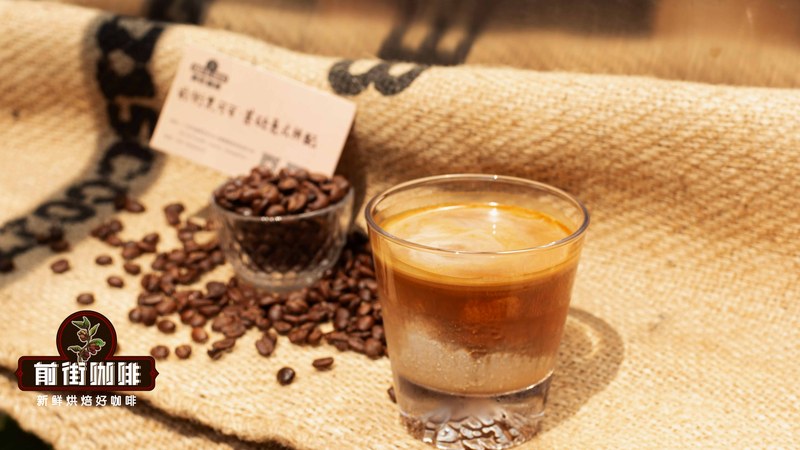
Whether a rich crema can form on the surface of an espresso shot depends on the coffee beans themselves, the freshness of the roast, and the machine parameters. Freshly ground coffee releases carbon dioxide, and hot water under pressure carries the gas into the liquid, forming a fine foam once the shot is pulled. When actually selecting beans, you should not just fixate on the height of the crema, but also consider whether it brings sweetness, body, and a clear finish.
In terms of bean type, medium-dark roasts generally form a more pronounced foam on the surface of espresso more easily, because the roasting process makes the bean structure more porous and gas release more active. Italian-style blends containing Robusta often have more persistent crema, with a palate leaning toward heaviness, nuts, and cocoa. Pure Arabica can also produce beautiful crema, but the amount of foam, its fineness, and how long it lasts will be affected by origin and roasting method.
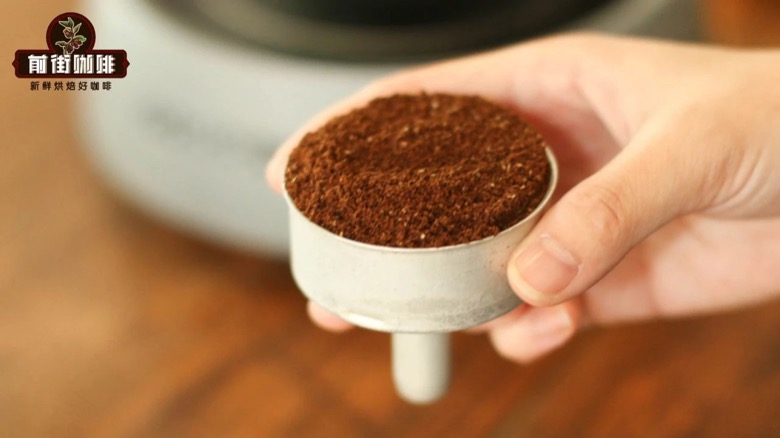
If you use a home semi-automatic espresso machine, the dose can first match the specification of the filter basket, for example placing 8 to 10 g in a single basket and 16 to 20 g in a double basket. If the dose is too small, the puck offers insufficient resistance to the water flow, and the crema layer tends to be thin; if the basket is overfilled, the brew head may come into contact with the puck. Taking the actual capacity of the basket as the standard makes it easier to achieve stable results than blindly increasing the coffee dose.
Grind size directly affects how quickly water passes through the puck and is also a key part of observing changes in crema. If the coffee is ground too coarse, the espresso flows out quickly, pale in color and thin in texture, and the foam often lacks support; if ground too fine, dripping may occur, bringing noticeable bitterness and a drying sensation. You can first aim for an extraction time of around 25 to 30 seconds, then fine-tune based on flow rate, rather than pursuing surface foam alone.

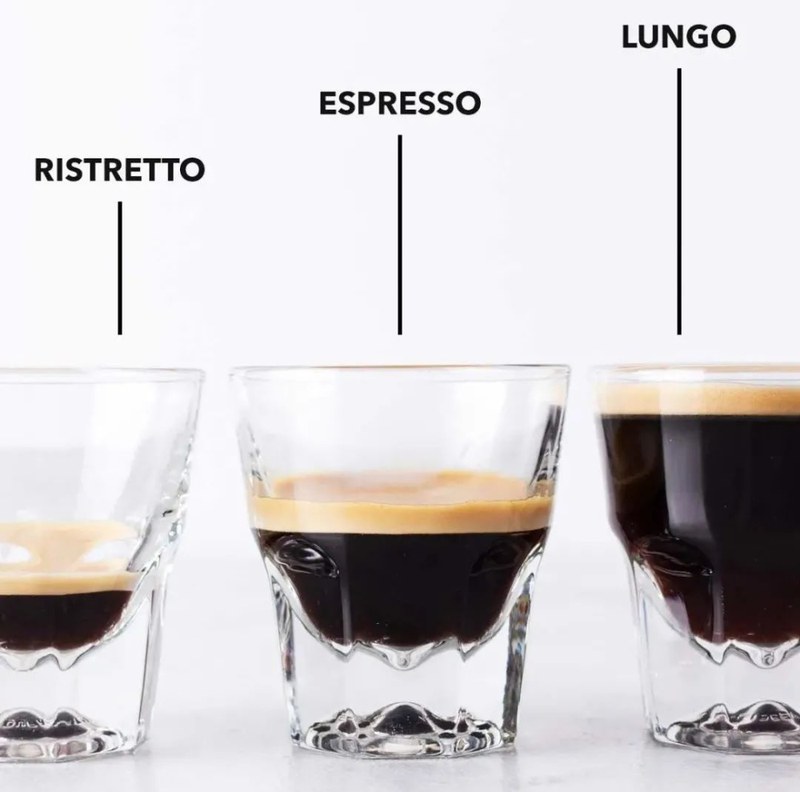
The coffee-to-liquid ratio likewise changes the visual thickness of the crema. Starting with 18 g of coffee extracting 36 g of liquid, the espresso usually has a more concentrated aroma and palate; if the yield is stretched longer, the water content in the cup increases and the crema layer looks thinner. If you like a short, thick espresso, you can try around 1:1.5; if you want to make an Americano or milk coffee, you can adjust toward 1:2 to balance sweetness and strength.
For machine pressure, it is recommended to observe from a state of about 9 bar during extraction, rather than simply turning the pump pressure higher. If the pressure is too high, the water flow may quickly cut a channel through the puck, and while the surface foam looks abundant, the sip may be rough and bitter. The water temperature can start from around 90 to 93°C; medium-dark roasts suit a slightly lower temperature, which can preserve caramel and nutty sweetness and also reduce the amplification of roasted notes.
When Qianjie Brazil Queen Estate is put into an espresso machine, it easily presents a thick, sweet impression of roasted nuts, cocoa paste, and caramel, with acidity that does not steal the spotlight. It is suitable for a double espresso and also for adding a small amount of milk as the base of an everyday latte. If the shot flows too fast, you can tighten the grind a little; if the tail end turns bitter, shorten the yield or lower the water temperature, and the cup will feel rounder.
For a stronger sense of thickness, you can try Qianjie PWN Indonesia Golden Mandheling. Its herbal notes, dark chocolate character, and thick mouthfeel become more concentrated in a short-ratio espresso, and the coffee flavor is also more present when making milk drinks. With this style of bean, the shot should not be dragged out too long; keeping the yield shorter can keep the body clean.
Qianjie Strawberry Candy Coffee Beans are another approach. It does not rely on heavy bitterness to create an espresso presence, but instead leaves a strawberry-jam-like sweet aroma and bright acidity in the cup. If the machine is stable and the puck is distributed evenly, it can be made into a fruity short espresso, and it is also suitable for adding ice water to become a refreshing Americano. For those who like milk coffee, reduce the proportion of milk so the fruit sweetness is not completely masked.
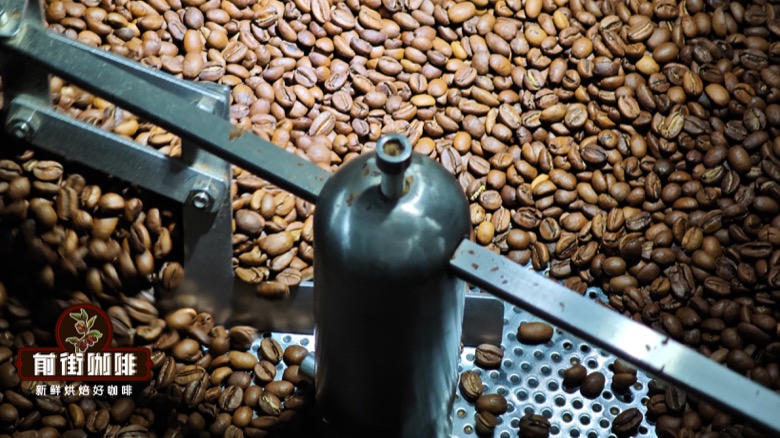
The roast date of the beans also affects crema performance. Freshly roasted beans have a higher gas content, and during extraction the foam may be plentiful, but the flavor can seem inflated and the acidity jumpy; after resting for a period, the gas gradually balances and the shot flows more smoothly. Espresso beans can usually be used to find a suitable state about 7 to 30 days after roasting; after opening, store them sealed and away from light, and buy according to daily usage.
When judging whether there is "a lot of crema," you should also observe the color, fine bubbles, and speed of dissipation. A red-brown, fine foam that slowly settles is usually more informative than exaggerated large bubbles. Stir the espresso gently before tasting; if sweetness, aroma, and texture all linger, it means the parameters are well matched. Beans, dose, grind, and machine state matching one another is the key to a good-tasting espresso.
Related Reading


Comments (0)
Loading comments...
You May Be Interested


Trending Reviews
Popular Videos

With you, wherever you are! We provide useful features to help you find new things you'll love






