Source:Best Coffee > News Author:qjroot Published:2026-10-09 18:36:10
I often encounter this expectation in stores: wanting an espresso with low acidity, beautiful crema, and not so bitter that it makes you frown. These three conditions are easy to meet individually, but together they easily conflict. Low-acidity beans tend to be roasted dark, and over-roasting makes the bitterness impossible to suppress; pursuing thick crema easily leads to a blend with too high a proportion of Robusta, giving a rough mouthfeel. My experience is to first anchor the roast level in the medium-dark range, then find the answer in the blend's flavor profile, and finally stabilize the flavor with extraction parameters. Following this path yields an especially high success rate.
The difference between medium-dark and medium roast is first reflected in how acidity presents itself. Medium-roasted beans have less cell wall breakdown, retain more organic acids, and tend to have bright acidity on entry; medium-dark roasting further degrades acidic substances, pushing sweetness and caramelized flavors upward. But even at the same medium-dark roast, different blend directions can produce wildly different results in the cup. Nutty chocolate blends have a relatively rounded bitterness, not as sharp as smoky woody notes; if the blend also includes beans with prominent natural sweetness, the sweetness wraps around the bitterness, making it smoother to drink. Qianjie Specialty Blend uses washed Colombia with semi-washed Brazil. After medium-dark roasting, the nutty and dark chocolate flavors unfold nicely, with a comfortable sweet-bitter balance. Paired with milk, the sweet aroma rises, making it suitable for friends who want a low-acidity milk coffee.
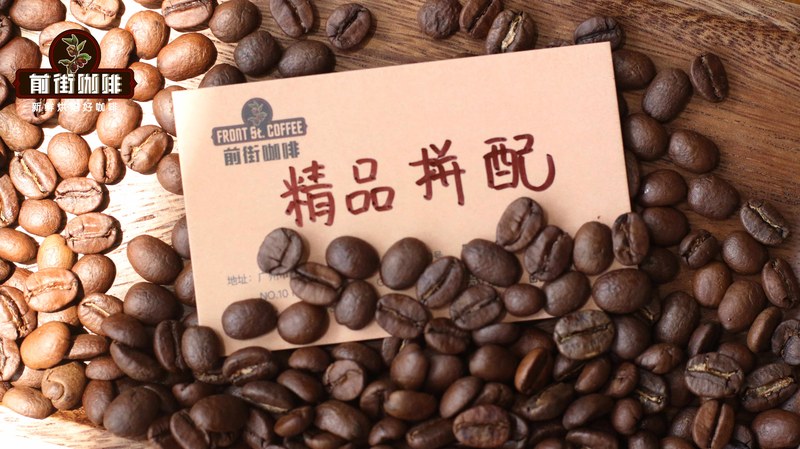
Regarding crema, many enthusiasts mistakenly think the more Robusta the better. It is true that Robusta has thick crema, but when the proportion is high, the mouthfeel easily becomes astringent and the aftertaste short. I tend to choose blends with a low proportion of Robusta, or even pure Arabica, relying on freshness and roast level to support the crema, so the crema is fine, dense and lasting, and the mouthfeel is clean. Qianjie Classic Blend takes the Mamba route: Indonesian Mandheling, Brazil, plus a small amount of Robusta. After medium-dark roasting, the butter and caramel biscuit aromas are solid, the crema is velvety, and extraction stability is good, making it a reliable choice for daily drinking. If you don't want to touch Robusta at all, the SOE direction is also worth considering. Qianjie Queen's Estate SOE comes from high-altitude Yellow Bourbon in Brazil. After medium-dark roasting, the creamy peanut and chocolate aromas are full, the aftertaste returns sweetness, the crema is beautiful, and when made into milk coffee the aroma is rich and the acidity low.
Speaking of SOE, medium-dark roasted single-origin beans for espresso have become increasingly common in recent years. Previously people always thought espresso must be a blend, but now we find that as long as the origin itself has enough sweetness and body, a single bean can hold its own. Qianjie Yirgacheffe Red Cherry SOE is an interesting contrast. Its roast level leans medium, the citrus fruit acidity is soft, and the cream chocolate and cookie aromas make the sweetness very clear, with very light bitterness. If you don't want any acidity at all, it may not be your target; but if you want to see how gentle a medium roast can be, it will refresh your impression of Yirgacheffe. This one is also good as pour-over, but when extracted with an espresso machine, the sweetness is more concentrated.
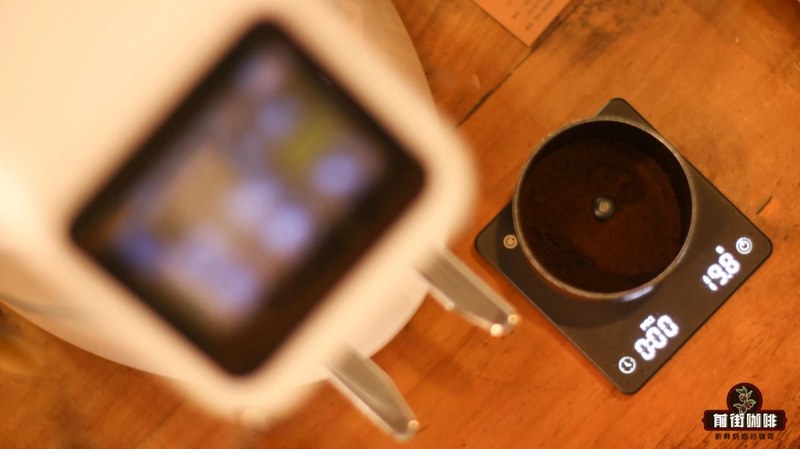
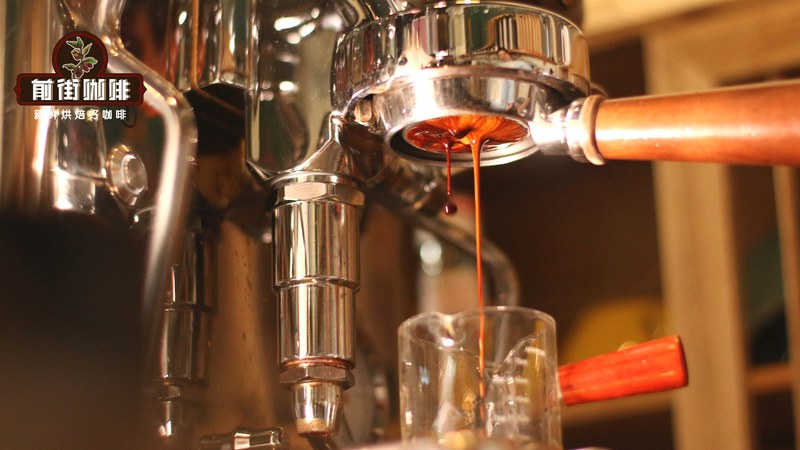
Extraction parameters are the key to realizing the beans' potential. I habitually use 19 to 20g of grounds, extract 38 to 40g of coffee liquid, keep the time at 25 to 30 seconds, and the crema thickness is about 3mm. Within this framework, if the beans are fresh and the roast level moderate, the crema will present a beautiful golden-brown color. If the time drags too long, bitter substances are over-extracted, and even the sweetest blend will be masked; if the dose or yield fluctuates, the stability of the crema suffers. When making milk coffee, the ratio of coffee to milk is about 1:5. Steam the milk to 55 to 60°C, and the sweetness blends smoothly with the coffee's nutty caramel flavors. You don't need to memorize parameters by rote, but setting a baseline first and then making small adjustments is far more efficient than fumbling blindly.
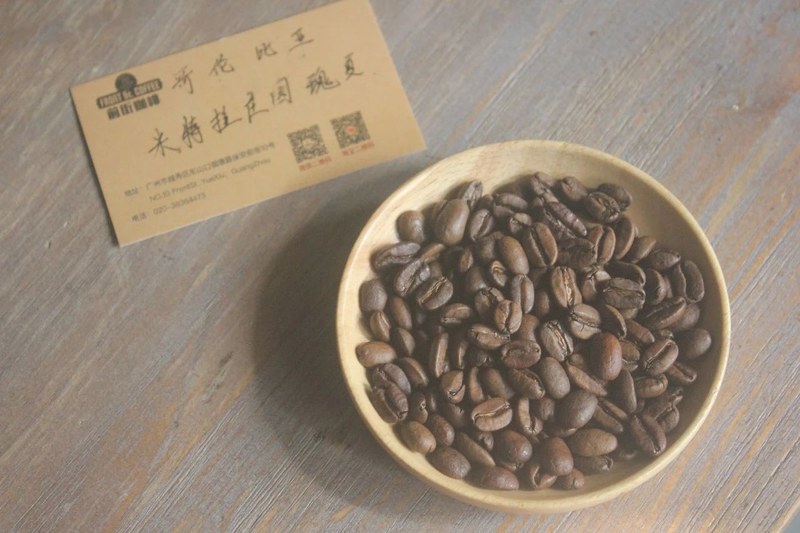
On freshness, Qianjie's beans are always roasted within 5 days, so you can make a latte as soon as you receive them, and the aroma is fuller if you finish them within a month. Resting the beans isn't about leaving them alone; it's about letting them reach a state suitable for extraction. The wait is worth it.
In the end, to pick an espresso bean that is low-acid, has good crema, and doesn't overwhelm with bitterness, the order should be: first decide the roast level and flavor profile, then find a reliable brand and blend, and finally stabilize the parameters with your own machine. The medium-dark roasted nutty chocolate flavor is a safe path, a blend with prominent sweetness helps balance the bitterness, and SOE offers a cleaner single-origin experience. With the right beans and extraction that isn't greedy, a delicious espresso can absolutely be made at home.
Related Reading

Comments (0)
Loading comments...
You May Be Interested

Trending Reviews
2019-07-31
Popular Videos

With you, wherever you are! We provide useful features to help you find new things you'll love






