Source:Best Coffee > News Author:qjroot Published:2024-06-15 17:57:10
Recently, the Brazilian Coffee Exporters Council (Cecafé) released its May report on the Brazilian coffee industry. According to the reported data, Brazil exported 4.397 million bags (60 kg/bag) of coffee in May, setting a monthly record and marking a significant year-on-year increase of 79.6% compared to May of last year. It also achieved the highest foreign exchange earnings ever recorded, amounting to $1.017 billion, which is an 85.9% increase compared to the foreign exchange earnings in May of the previous year.
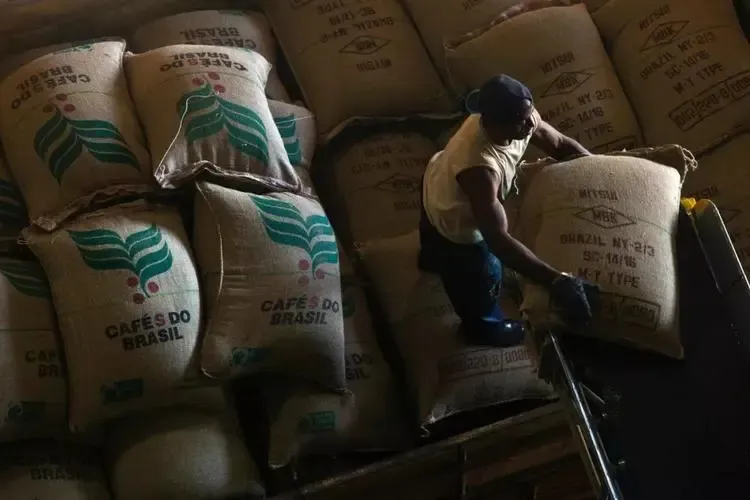
In the 2020/21 harvest year, Brazil exported a record-high 45.7 million bags of coffee. In the first 11 months of the 2023/24 harvest year (starting from July 2023), the country has already exported 43.7 million bags, just 2 million bags short of the historical high. Therefore, the president of Cecafé believes this year is likely to break the cyclical export record and reach the previously projected target of 46.3 million bags.
From January to May, Arabica coffee exports amounted to 15.654 million bags, accounting for 75.7% of the total exports, representing a 36.3% increase compared to the same period last year. Notably, for Robusta, 860,000 bags were exported in May, showing a year-on-year growth of 559.3%. Over the current coffee year’s 11 months, exports increased to 7.412 million bags, a 499% rise compared to the same period, and from January to May this year, the total reached 344,200 bags, a 553.8% increase year-on-year.
In addition, Brazil has stated that its Robusta coffee industry has developed rapidly in recent years, with quality significantly higher than before. Nowadays, in addition to the traditional Robusta-growing regions, research on Robusta coffee cultivation has begun in the states of Minas Gerais, São Paulo, and Goiás. As a result, Robusta production is expected to continue growing in the future.
According to the Brazilian Coffee Exporters Council (Cecafé), this will affect the cash flow of coffee exporting companies, increase costs, raise expenditures, and add to operational burdens, ultimately reducing the international competitiveness of Brazil, the world’s largest coffee exporter. In the current four-month period before the new policy is approved by Congress, some growers of crops such as soybeans and coffee have already stopped selling their agricultural products.
Since the new crop of coffee has already been pre-sold, there will not be a significant impact on recent coffee exports. However, a prolonged slowdown in export sales may prompt international buyers to seek alternative sources, which could potentially lead to price increases.
Related Reading




Comments (0)
Loading comments...
You May Be Interested




Trending Reviews
Popular Videos

With you, wherever you are! We provide useful features to help you find new things you'll love






