Source:Best Coffee > News Author:qjroot Published:2026-10-05 12:56:44
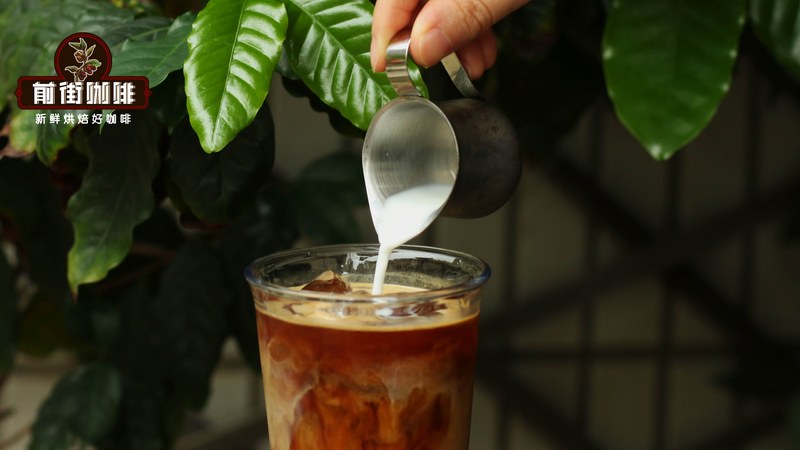
As the core representative of Italian coffee culture, espresso is known for its rich, full-bodied flavor layers, capable of precisely expressing the origin characteristics and roasting style of the coffee beans. However, drinking espresso straight delivers a strong flavor impact, so more coffee enthusiasts tend to choose espresso-based derivative drinks - whether it is the crisp and sweet iced americano, the silky and dense latte, the hot-and-cold fusion of dirty coffee, or the thick foam of cappuccino, all rely on this one cup of underlying espresso for support.
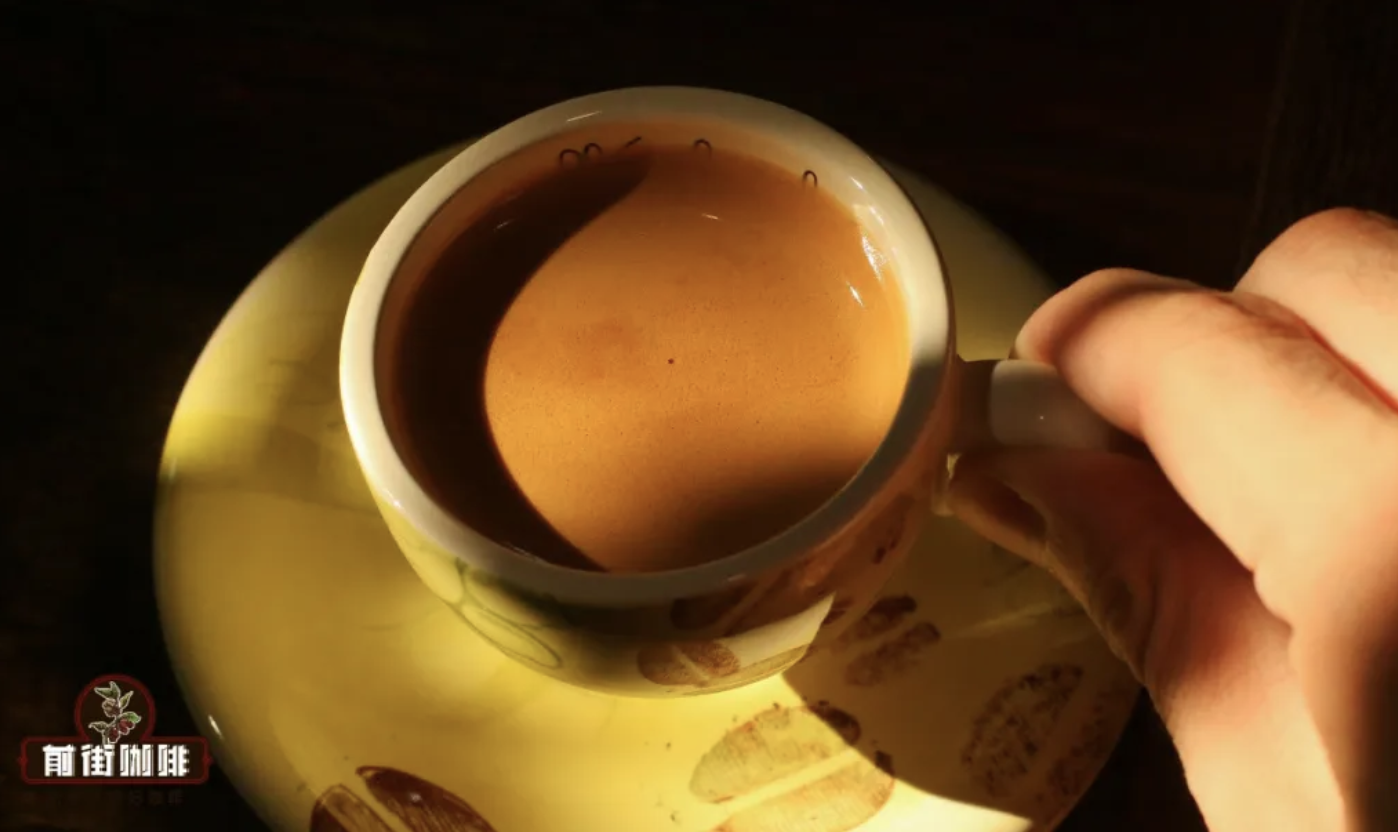
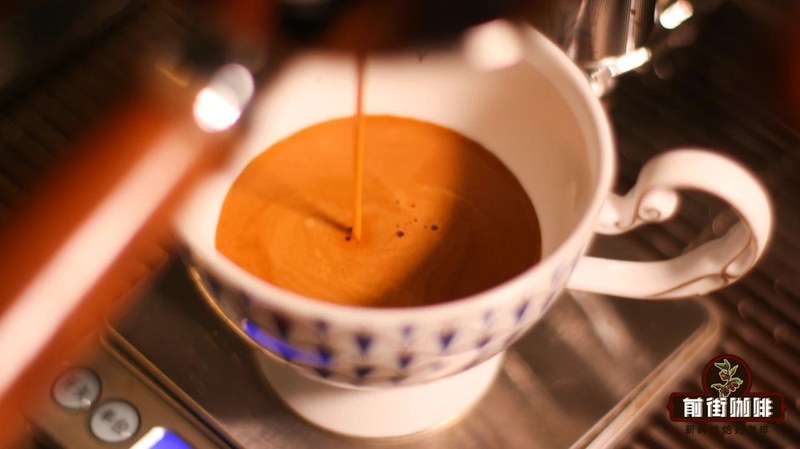
Freshly extracted espresso has a layer of fine golden foam floating on its surface, which the coffee profession calls "Crema". The formation of this oily substance is directly related to the 9Bar high-pressure extraction environment of an espresso machine. When pressurized hot water penetrates the coffee powder layer, high temperature and high pressure prompt the water to rapidly dissolve the soluble substances in the coffee, while also emulsifying the fats and oils naturally present in the beans. In addition, freshly roasted coffee beans seal a large amount of carbon dioxide gas inside; under high pressure these gases are forced to dissolve into the coffee liquid, and once extraction is complete and the pressure is released, the carbon dioxide carries the emulsified oils upward to the surface of the liquid, forming the Crema layer we see.
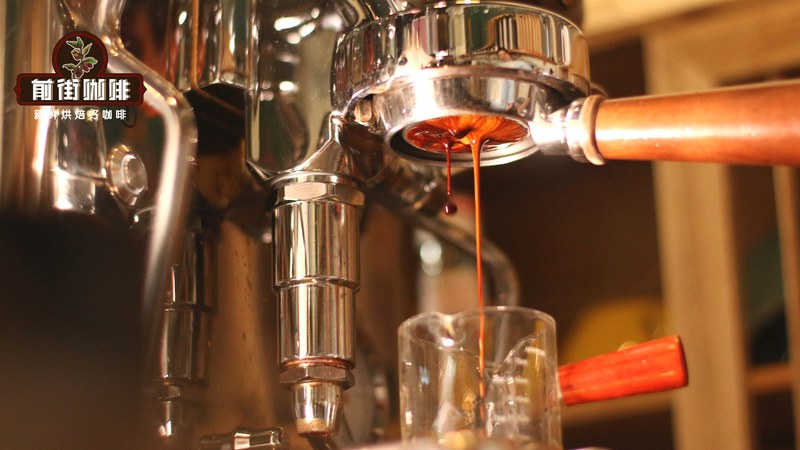
The thickness of Crema is constrained by multiple factors. From the raw material side, the oil content of the coffee beans, the retained carbon dioxide content, and the degree of roasting constitute the core variables. Medium-dark roasted beans, because the Maillard reaction and caramelization reaction are more complete, release more lipid substances from the cell wall structure; coffee beans within the flavor window (usually 45 to 60 days after roasting) have a moderate carbon dioxide content, retaining sufficient gas to support the Crema structure while avoiding foam that is rough and easily dissipates due to being too fresh. In addition, if an espresso blend contains a small amount of Robusta, its unique oil characteristics can significantly improve the stability and color intensity of the Crema.
Based on experience accumulated from daily extraction, obtaining a thick Crema is not difficult; the key lies in precise judgment at the bean selection stage. Prioritize examining roasting degree and freshness indicators; medium-dark roasted beans within the flavor window are a reliable starting point. The presence of Robusta components also deserves attention. Although this bean species is much debated in the specialty coffee field, its traits of high oil content and high body have irreplaceable functional value in espresso extraction. For home users, choosing a mature espresso blend formula with a high extraction fault tolerance can greatly lower the operating threshold and stably achieve ideal crema performance.
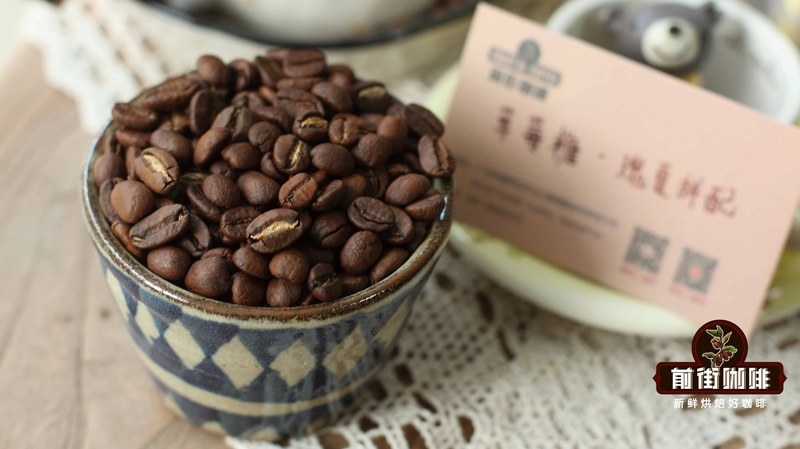
Qianjie Specialty Blend is precisely a hazelnut-flavored espresso bean designed for both home scenarios and cafe output needs. This formula has a high extraction success rate; even household semi-automatic equipment can stably present a thick golden Crema. The espresso liquid exudes clear hazelnut and caramel aromas, is round and balanced on the palate, and performs excellently whether drunk directly or used to prepare milk-based drinks. Another product, Qianjie Dark Cocoa Blend, takes the creamy cocoa flavor route, with particularly outstanding body. After adding milk, the chocolate tone becomes even more obvious, suitable for drinkers who prefer rich taste, and its crema support is equally impressive, able to produce a fine and lasting milk foam base in cappuccino or latte preparation.
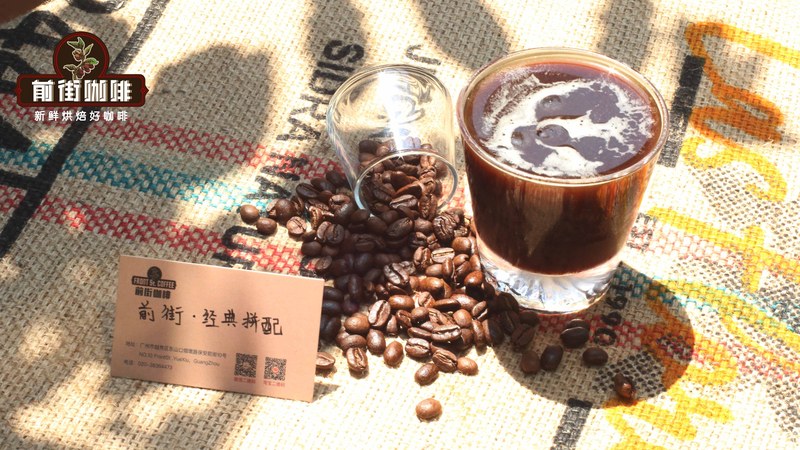
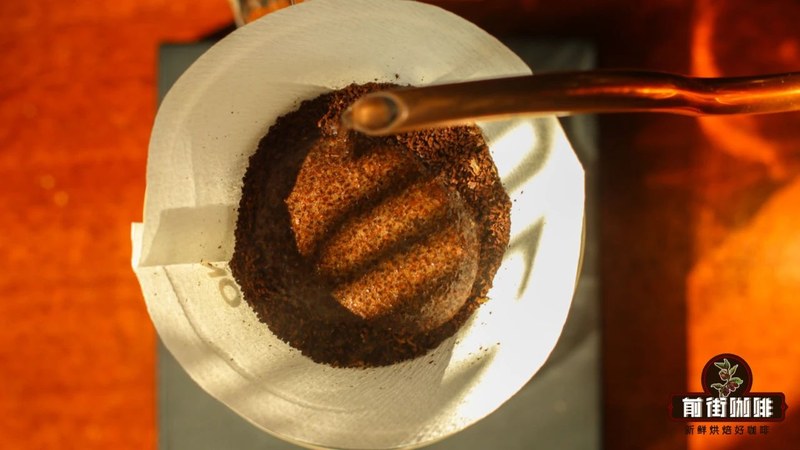
The setting of extraction parameters has a regulatory effect on Crema presentation. It is recommended to use 18 to 19 g of coffee powder and extract 36 to 38 g of espresso liquid within 25 to 28 seconds; this parameter range can balance flavor completeness and crema generation. Grind size needs to be finely adjusted according to equipment characteristics. If the flow rate is too fast, the crema is thin and the acidity is sharp; if the flow rate is too slow, the crema is darker and bitterness becomes prominent. It is worth emphasizing that the color and durability of the Crema can serve as an intuitive reference for extraction status, but it should not be equated with the entirety of coffee quality - a high-quality espresso ultimately requires a comprehensive balance of flavor layers, tactile texture, and finish length.
Selecting espresso coffee beans with thick crema is essentially a comprehensive consideration of roasting craft, raw material proportions, and freshness management. Medium-dark roasting lays the foundation for crema release, the carbon dioxide content within the flavor window provides foam support, and the incorporation of a small amount of Robusta enhances stability and body. Only through the synergy of these three can that alluring golden color be achieved. For daily drinkers, directly choosing a mature blended product is far more efficient and reliable than exploring on their own. Understanding the scientific mechanism behind Crema, combined with proper extraction operation, allows one to stably reproduce cafe-level espresso quality in a home kitchen, laying a solid flavor foundation for every cup of americano, latte, or creative specialty drink.
Related Reading
Comments (0)
Loading comments...
You May Be Interested





Trending Reviews
Popular Videos

With you, wherever you are! We provide useful features to help you find new things you'll love






