Source:Best Coffee > News Author:qjroot Published:2026-10-07 10:25:11
Panama is located on the Central American isthmus, and its coffee-growing areas are concentrated in the Chiriqui Highlands in the west of the country, with Boquete and Volcan being two of the most representative producing areas. These regions happen to lie in the center of the coffee belt between the Tropic of Cancer and the Tropic of Capricorn, backed by the Baru Volcano and the Talamanca Mountain Range, where fertile volcanic soil has been formed over years of accumulated fallen leaves from ancient forests and volcanic ash, rich in minerals and organic matter. The terrain among the mountains lifts moisture from the Caribbean Sea and the Pacific Ocean, creating frequent cloud and mist cover, humid days and cool nights, with a day-night temperature difference that can exceed 15°C. This environment significantly lengthens the ripening cycle of coffee cherries, giving the fruit more ample time to convert sugars and organic acids produced by photosynthesis into complex flavor compounds, and the accumulation effect is especially pronounced on high-altitude plots.
Altitude is arguably the core variable shaping Panamanian coffee flavor. Take Hacienda La Esmeralda as an example: this estate, famous for the Geisha variety, divides its plots into three grades by altitude: red label, green label, and blue label, with higher altitude meaning a higher grade. In high-altitude areas above 1700 m, nighttime temperatures drop sharply, coffee tree metabolism slows, and the concentration of sugars and aromatic compounds increases accordingly, ultimately presenting an exceptionally refined orange-blossom honey character and layered acidity. Qianjie Panama Hacienda La Esmeralda Red Label Geisha is harvested from such a single high-altitude plot and belongs to the estate's higher-tier representative grade, with the orange-blossom honey character standing out especially after brewing. In the second-highest altitude areas around 1600 m, although the day-night temperature difference is slightly milder, the volcanic ash soil supplies abundant mineral nutrients and can likewise nurture the elegant tonality that is the hallmark of the Geisha variety.
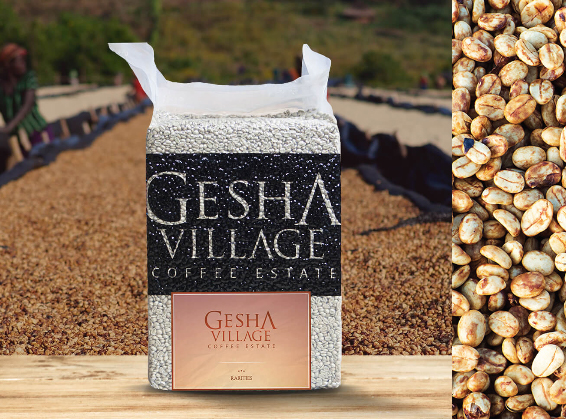
The adaptation of local varieties to the terroir further amplifies this regional advantage. Geisha originated in Ethiopia, yet in Panama's high-altitude misty environment it found an almost ideal stage for expression. The genetic potential of this variety lies in its prominent floral aroma and citrus-like acidity, and Panama's large day-night temperature difference and slow ripening conditions provide exactly the developmental window for such flavors. The formation of jasmine aroma is closely related to the preservation of terpenes under low nighttime temperatures, while the refreshing acidity of citrus and orange comes from the balanced accumulation of malic acid and citric acid during slow ripening, the honey-like sweetness comes from the high-concentration deposition of sugars, and the delicate green-tea-like finish is related to aldehydes retained after moderate roasting. These flavor characteristics do not exist in isolation, but are extensions of the same terroir logic in different dimensions.
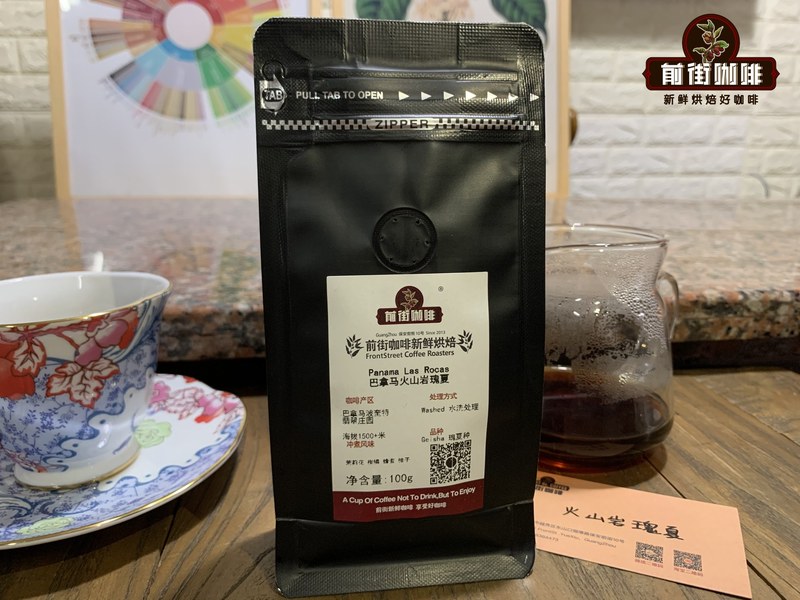
The choice of processing method adds a human variable to this terroir framework. Washed processing removes the pulp through fermentation, highlighting the coffee's own acidity and cleanliness, so Panamanian washed Geisha often presents more translucent jasmine aroma and citrus tonality. Qianjie Boquete Washed Geisha is a typical example, planted at about 1600 m, where fertile volcanic ash soil provides ample nutrients for the coffee, and after brewing one can taste the jasmine aroma, green tea, honey, and citrus and orange flavors characteristic of Geisha. Natural processing retains the whole cherry for drying, allowing sugars from the pulp to seep into the bean core, giving fuller sweetness and fermented fruit aromas; in Panama's sunny high-altitude environment, natural Geisha often carries richer layers of berries and tropical fruit. Honey processing lies between the two, with residual mucilage bringing a molasses-like syrupy sweetness, while the acidity is brighter than in natural processing. Wet-hulled processing is rarely used for Geisha in Panama, but its rapid-drying characteristic is occasionally applied in more humid micro-regions, producing heavier herbal and spicy tonality.
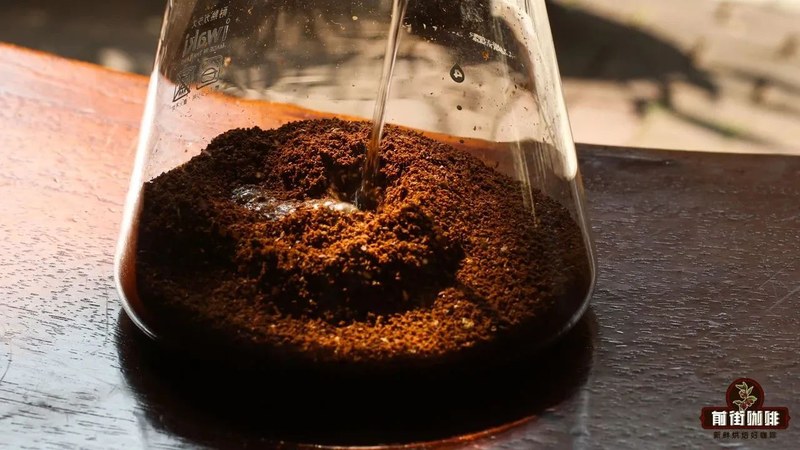
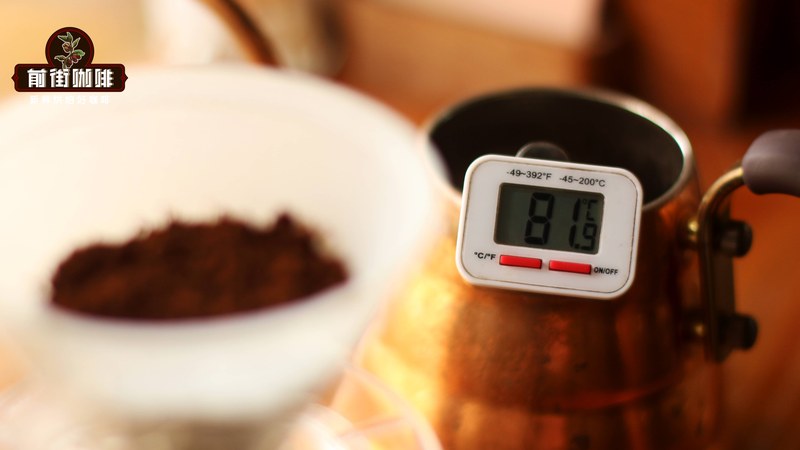
Understanding these causal chains helps in making targeted adjustments when brewing Qianjie Panama coffee beans. When hand-brewing Qianjie Panama Geisha coffee beans, it is recommended to use 15 g of coffee and a 1:15 coffee-to-water ratio, with water temperature controlled at 92 to 93°C. First bloom with a small amount of hot water for 30 seconds to let the coffee grounds fully degas, then pour steadily, keeping the total extraction time within 2 minutes. This parameter framework can better preserve the delicate floral aroma and bright acidity of high-altitude Geisha, avoiding the astringency and flattened flavor caused by over-extraction. If using an espresso machine, a finer grind with a short extraction is needed to highlight the citrus and floral notes in the front section; for a moka pot, heating over medium-low heat until the flow ends is appropriate, as medium-temperature extraction can balance sweetness and acidity and avoid burnt bitterness.
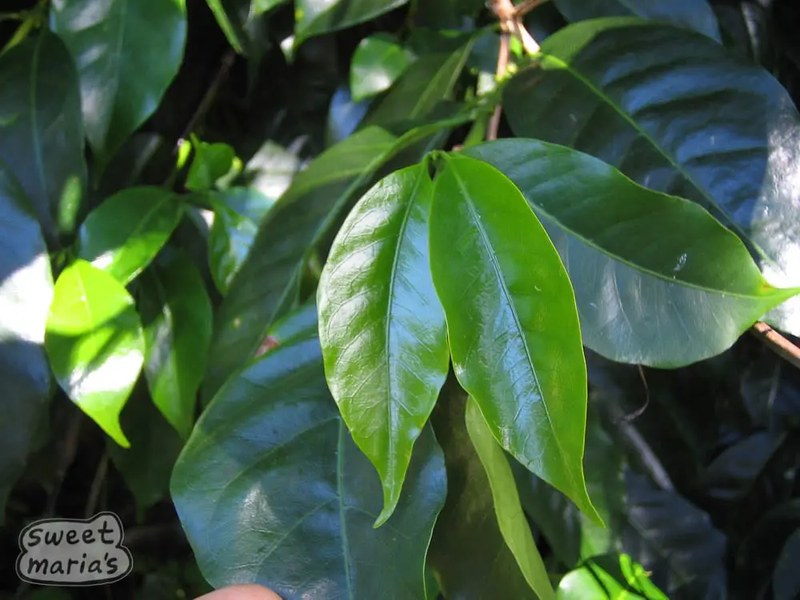
Tracing the flavors in the cup back to the terroir of the origin, the recognizability of Panamanian coffee becomes clearly identifiable. The jasmine aroma echoes the misty, cool high-altitude environment, the acidity of citrus and orange marks slow ripening under the day-night temperature difference, and the delicate sweetness of honey and green tea is the joint result of minerals in the volcanic soil and sugar accumulation. Processing methods act like filters: washed amplifies clarity, natural adds richness, and honey processing takes the middle path, allowing coffee from the same origin to present a diverse yet controllable flavor spectrum. When these clues converge in the cup, what you taste is not just coffee, but a geographical narrative written jointly by a mountain range, a volcano, and years of mist and clouds.
Related Reading


Comments (0)
Loading comments...
You May Be Interested


Trending Reviews
Popular Videos

With you, wherever you are! We provide useful features to help you find new things you'll love






