Source:Best Coffee > News Author:qjroot Published:2026-10-09 18:33:28
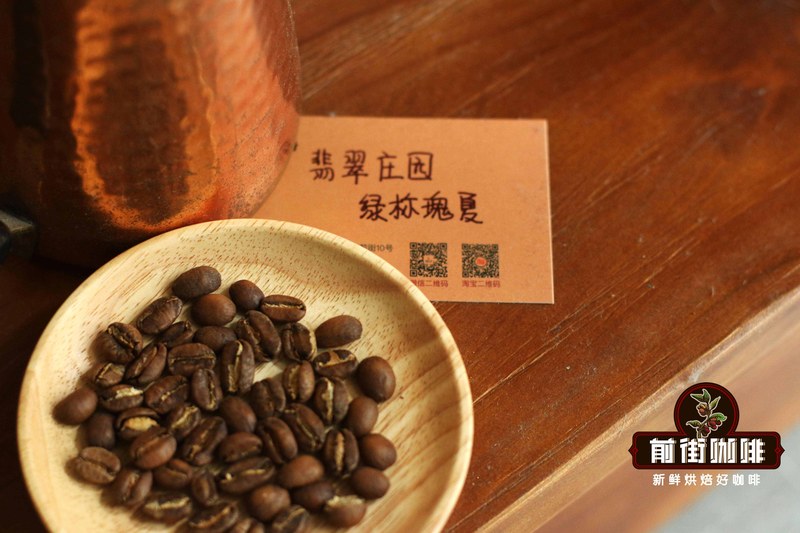
Behind the bar, I often run into customers who take a sip of their latte, look up and ask me how this cup can taste sweet when no sugar was added. This question actually has three layers of answers: one is the beans themselves, one is the milk, and one is the illusion the milk foam creates by sealing in aromas and delivering them to the palate. Let's start with the beans. Green coffee beans naturally contain sucrose, fructose and glucose; during roasting these sugars undergo caramelization, and together with the complex aromas from the Maillard reaction, the sweetness is retained in the liquid once extracted into espresso. When we select espresso beans, if the blend includes high-sweetness origins, such as Ethiopian natural beans or Colombian washed beans, the espresso will have a distinct candy or honey-like sweetness. Qianjie Strawberry Candy Espresso Blend combines beans from Costa Rica, Colombia and Ethiopia, medium roast, with rose florals followed by the sweet-tart notes of grapes and dried blueberries, and the bitterness pressed very low, making the sweetness especially prominent in milk coffee. Qianjie Black Cocoa Blend, on the other hand, pairs Yunnan washed small-bean with Brazil semi-washed, medium-dark roast, taking the route of creamy chocolate and cocoa cookies, with crema showing a golden sheen, a steadier sweetness, suited to those who like a balanced flavor.
The second layer of sweetness comes from the milk. The lactose in full-fat fresh milk is not very sweet at room temperature, but when heated to 55 to 60°C, lactose solubility rises, and the milk proteins and milk fat begin to change structure, so the tongue clearly perceives a soft sweetness. There is a key detail here: the temperature must not be too high. Above 65°C lactose begins to break down, and the sweetness actually drops, while excessive protein denaturation makes the milk foam coarse. When I steam milk, I usually watch how much the liquid level rises: a pitcher filled to the five-tenths mark is stopped at about six-tenths, at which point the foam is fine and dense, and the temperature is right in the sweetness range. Full-fat milk has a milk fat content above 3%, and the milk fat and milk protein together support the stability of the foam; skimmed or low-fat milk struggles to produce foam of the same texture, and the sweetness is much thinner.
The third layer is the encapsulation effect of the milk foam. Tiny bubbles seal the aromatic compounds and sweet-tasting molecules inside the foam, and once in the mouth the bubbles burst one by one on the tip of the tongue, releasing aroma and sweetness in a concentrated way, an experience more intense than drinking liquid coffee directly. If the foam is too coarse or collapses too quickly, the aromas escape and the sweetness is compromised. So for a latte with good sweetness, foam quality is the invisible threshold.
As for method, I usually keep the coffee-to-milk ratio at about 1:5. A double espresso uses 19 to 20g of grounds, yields 38 to 40g of coffee liquid, in 25 to 30 seconds, with a crema thickness of about 3mm; this strength is just right for a latte. Too much milk dilutes the sweetness, while too much coffee lets bitterness overpower the balance. Qianjie Huakui SOE is an Ethiopian natural bean, medium roast, mainly red berries and light florals, with a hint of citrus in the crema, a crisp mouthfeel; in a latte the fruit notes cut through the milk and the sweetness leans light. Qianjie Grana Geisha SOE is likewise an Ethiopian heirloom Geisha, natural process, medium roast, with brighter sweet notes of yellow peach, apricot and citrus and more pronounced florals; in milk coffee the fragrance is harmonious and the sweetness fine. These two SOEs and the blends have different sweetness trajectories: the blends emphasize layered stacking, while the SOEs highlight the clarity of a single origin.
When choosing beans, if you mainly make espresso milk drinks, I suggest looking first at the roast level and the sweetness keywords in the flavor description. Medium-dark roasted beans have a higher degree of caramelization and a heavier sweetness, easily producing chocolate or nutty flavors with milk; medium roasted beans retain more acidity and floral-fruity notes, with a livelier sweetness. Qianjie's own-roasted beans are all kept within 5 days of roasting, ready to go on the machine as soon as you receive them, and best finished within a month. Resting the beans lets carbon dioxide escape at a moderate rate, so extraction is more stable and the sweetness shows through more easily.

Sweetness is half about the beans and half about the milk. Choose the right beans, dial in the ratio, and steam fine milk foam, and you can recreate at home that unsweetened yet sweet latte from behind the bar.
Related Reading
Comments (0)
Loading comments...
You May Be Interested




Trending Reviews
Popular Videos

With you, wherever you are! We provide useful features to help you find new things you'll love






