Source:Best Coffee > News Author:qjroot Published:2026-09-16 02:03:29
For a coffee bean you plan to use for low-temperature cold brew, simply changing the brewing parameters it comes into contact with can reveal a completely different aroma. By controlling the water temperature, adjusting the coffee-to-water ratio, and changing the rhythm of water pouring, we can mobilize the substances inside the bean just like mixing colors. For light-roasted beans rich in fruity notes, appropriate fine-tuning can unlock hidden flavors and make the layers fuller.

Bringing out a bean's characteristics requires first understanding how temperature and pouring method affect flavor. Higher water temperatures speed up the dissolution of substances and are suitable for extracting sweetness; slightly lower water temperatures slow the release of astringency, thereby preserving light floral and fruity notes. Whether the water is poured in a single continuous pour or in multiple pours directly determines the degree of agitation of the coffee bed, which in turn affects the direction of the coffee's concentration.
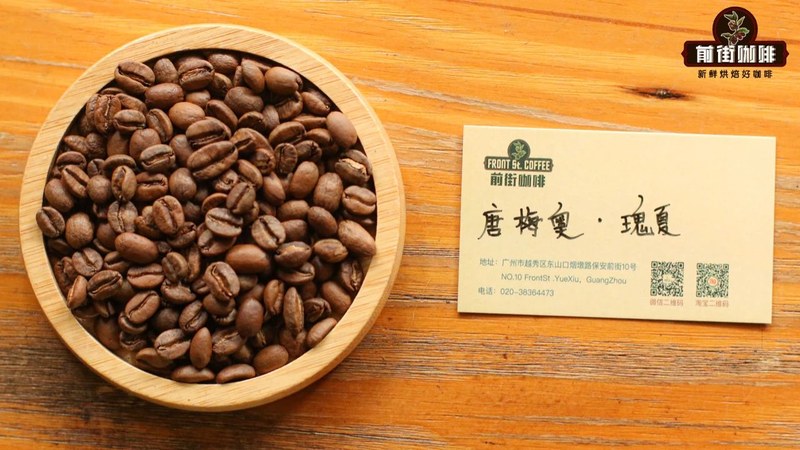
The Front Street Colombia Sidra, with its rich tropical fruit aroma, contains notes of passion fruit, blueberry and ripe apricot. When cold brewed at low temperature, its juicy quality is very cool and thirst-quenching. If you want to experience it as a glass of compound juice even when served hot, you need specific pour-over data to amplify the sweet aroma and avoid high temperatures masking its delicate fruit acidity.
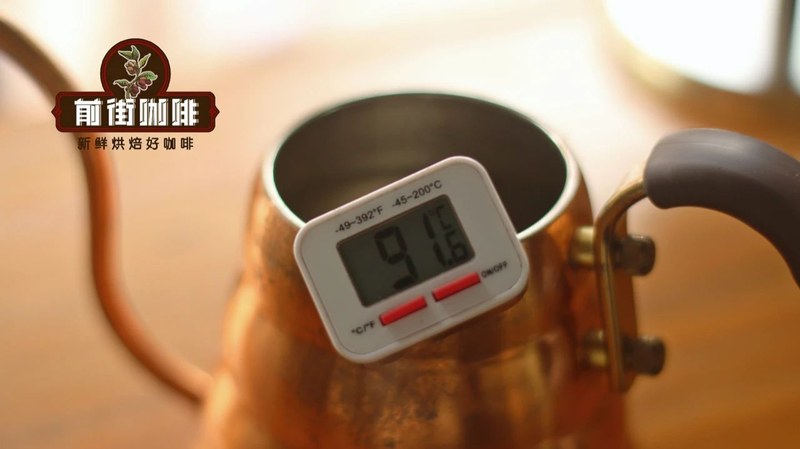
To brew this bean, a water temperature of 91 °C is recommended. Weigh out 15 g of coffee grounds, set a 1:15 coffee-to-water ratio, for a total water volume of 225 ml. Choose a three-pour method: first pour 30 ml to wet the coffee bed, then pour 100 ml to extract the aroma, and finally pour the remaining 95 ml. Control the total time to 2 minutes 10 seconds. This set of parameters can awaken the sweet-and-tart grape flavor.
The lively Front Street Strawberry Candy coffee bean gives off a sweet aroma like strawberry gummy candy. This bean is very suitable for making fruity black coffee, or adding milk to make a memorable specialty drink. To preserve the light and lively strawberry note, you can use the ice pour-over method, adjusting the ratio of ice to hot water to lock in the captivating sweet aroma during rapid cooling.
In practice, use a water temperature of 90 °C, prepare 15 g of coffee grounds, set the water volume at 150 ml, and pre-place 75 g of ice in the lower server. Use a two-pour method: pour 30 ml of hot water for the bloom, then slowly pour the remaining 120 ml in circles. Control the total time to finish at 1 minute 50 seconds. Once the coffee liquid cools rapidly, the strawberry gummy candy flavor becomes especially clear.
Using a two-pour rhythm reduces repeated agitation of the coffee bed and lowers the risk of extracting bitter substances. Paired with a smaller volume of hot water, it extracts the brightest front-end floral and fruity notes and high-sweetness substances in a short time. This approach is specifically aimed at light-roasted beans suited to cold drinks, helping them burst with intense aroma under short extraction while maintaining a refreshing finish.
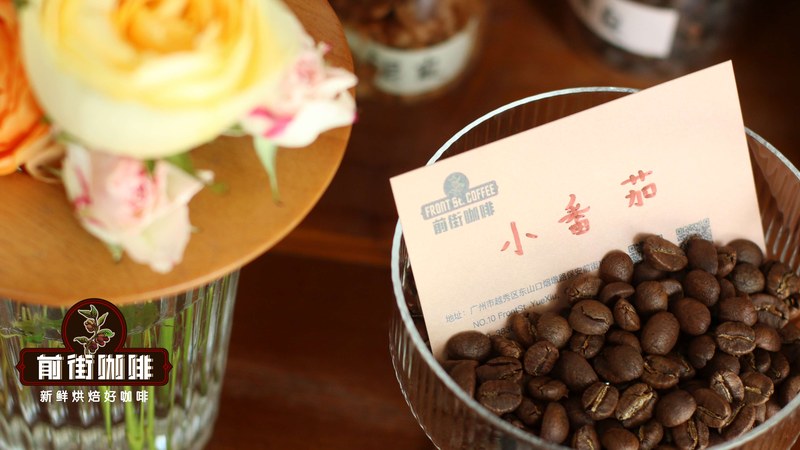
If you prefer bright acidity and a crisp finish, Front Street Kenya Cherry Tomato is an ideal choice. It carries a lively tart aroma like cherry tomatoes, with black plum and brown sugar notes emerging in the mid-to-late palate. Its acidity is not thin, and it has a strong presence under any brewing device. As long as you stretch the flavor layers with suitable parameters, you can get a full-bodied drink like fresh juice.
For this bean, you can try presenting it as a drip bag. Use a water temperature of 92 °C, take one drip bag with 10 g of coffee grounds, and set the total water volume at 160 ml. Use a single continuous pour: after the coffee bed is initially wetted, pour slowly and continuously in the center until the target is reached. Keep the total time at 1 minute 30 seconds. Continuous pouring combined with a slightly higher water temperature can bring out the brown sugar flavor.
The reason for using a single continuous pour is that this bean's flavor structure is solid enough. The uninterrupted water flow maintains a higher water level and a relatively constant temperature in the dripper, allowing the coffee grounds to release substances in a stable environment. Combined with the slightly raised water temperature, it not only makes the acidity round and smooth but also fully dissolves the sugars in the later stage, giving the finish a lasting sweetness.

Once you master the skill of adjusting brewing variables, you can tailor a suitable brewing plan according to a bean's own fruity intensity and sweetness direction. By constantly trying different water temperatures, coffee-to-water ratios and pour stages, we can not only enjoy a delicious drink but also, in the process of fine-tuning parameters, experience the ever-changing fun of the coffee world.
Related Reading


Comments (0)
Loading comments...
You May Be Interested



Trending Reviews
Popular Videos

With you, wherever you are! We provide useful features to help you find new things you'll love






