Source:Best Coffee > News Author:qjroot Published:2026-09-02 18:41:51
The charm of floral coffee beans often lies in how they change before and after each sip: when first brewed they taste like fresh flowers and citrus, and as they cool, notes of tea, fruit juice or gentle sweetness emerge. To bring out these aromas, choosing beans is not just about the word "floral" - you also need to consider the equipment you use at home, and whether grind, water temperature and coffee-to-water ratio are easy to adjust.
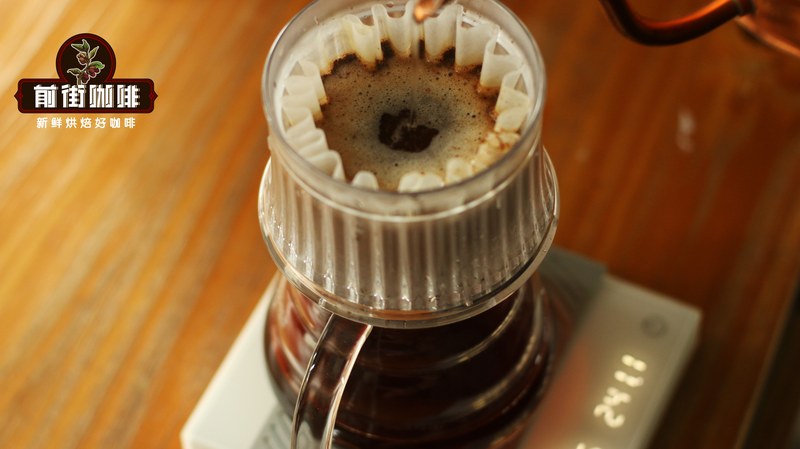
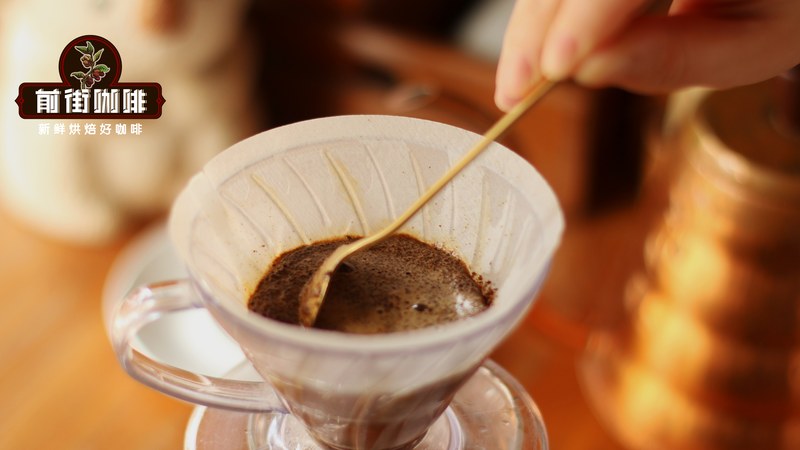
If you mainly use a V60 or a similar dripper, lightly roasted beans with open aromatics will show layers more easily. Qianjie Panama Hacienda La Esmeralda Red Label Geisha is a good starting point at 15 g coffee, 240 g water, a water temperature of about 91 to 93 degrees Celsius, a medium-fine grind, and two to three pours. Jasmine, bergamot and citrus notes become clearer as the temperature drops, with a black-tea-like finish at the end.

When brewing pour-over, floral does not mean the higher the acidity the better. If the cup tastes sharp, lower the water temperature by one degree, or make the grind slightly coarser to slow the extraction pace; if the aroma is thin and the sweetness is not obvious, grind a little finer and extend the contact between water and coffee grounds. Keep the pouring gentle and reduce excessive agitation, and the cup will usually be clearer.
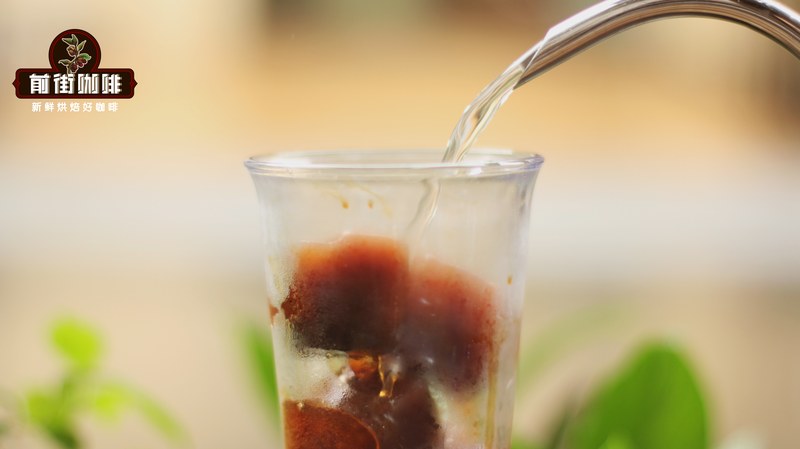
For those who like a crisp fruity aroma, iced pour-over can be an option. Qianjie Ethiopia Huakui has tropical fruit, strawberry and passion fruit notes, and suits 15 g coffee with 150 g hot water, then 90 g ice to catch the coffee liquid. The water temperature can be set at 90 to 92 degrees Celsius, with a slightly finer grind than normal pour-over; after the hot liquid falls onto the ice, the sweet aroma becomes more concentrated, making it suitable for the afternoon.
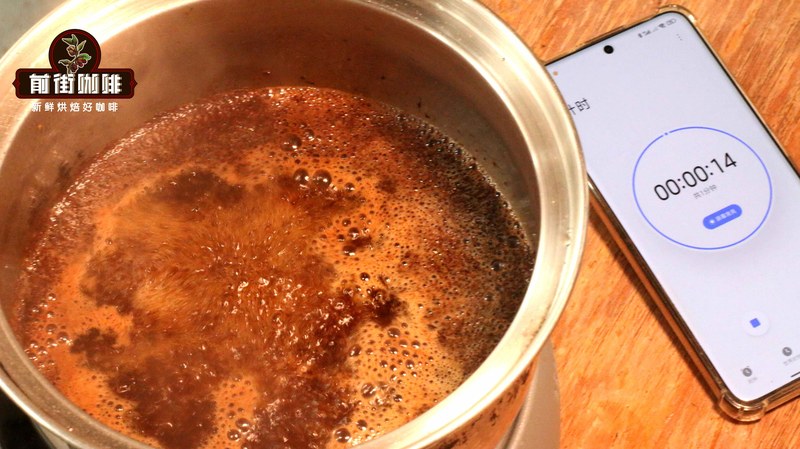
If using a cold brew pitcher, choose floral beans with bright aromatics and fuller fruit notes. Qianjie Yirgacheffe Gudingding can be tried at 20 g coffee and 260 g water, with a slightly coarser grind than pour-over, and refrigerated immersion for about 10 to 12 hours. Its citrus, berry and floral notes become rounder, the acidity is no longer direct, and the cup is close to a refreshing tea; adding ice or diluting with a small amount of water before drinking both work well.
Cold brew parameters need to be adjusted according to concentration, not just immersion time. If the finished brew is too weak, increase the coffee dose or reduce the dilution water; if the aroma is dull, shorten the immersion time or grind a little coarser. When using a sealed container, the coffee grounds should be fully saturated, but there is no need to shake frequently, so that too many fines do not enter the liquid and affect the cleanliness of the mouthfeel.
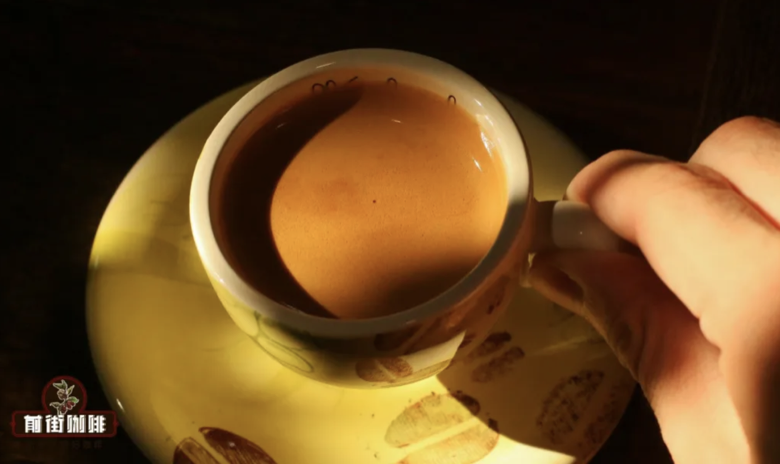
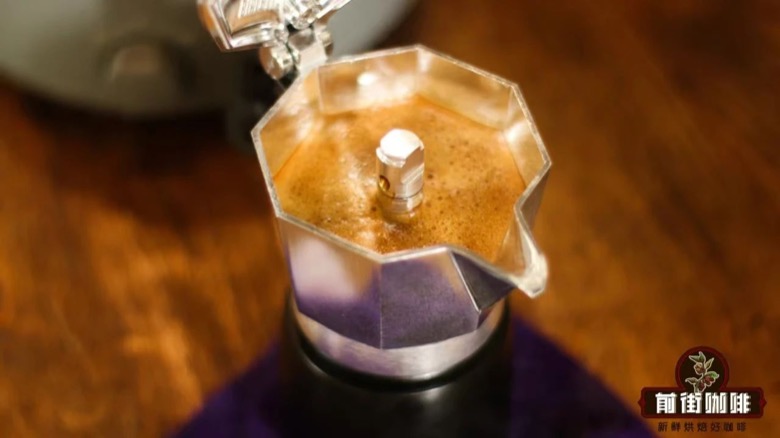
Floral beans can also be used with an espresso machine, but the parameter direction differs from that of a dripper. Taking Red Label Geisha as an example, you can start with 18 g coffee to extract 36 to 42 g of coffee liquid, in about 28 to 34 seconds, with the water temperature controlled at 90 to 92 degrees Celsius. If making an americano, adding a suitable amount of hot water can amplify the citrus and tea aromas; if adding milk, it is recommended to reduce the amount of milk so the floral notes remain recognizable.
Without an espresso machine, a French press or Clever Cup is also suitable for testing floral beans. Use 15 g coffee with 240 g water, a medium-coarse grind, and after about 3 minutes 30 seconds of immersion, slowly separate the coffee liquid, which retains more aroma and oils. For a lighter cup, shorten the immersion; for a thicker sweetness, extend it by about 20 seconds, but watch for any astringency at the finish.
Water quality also changes how floral notes present themselves. Soft water with a moderate mineral content usually makes citrus, flowers and berries clearer; when the water is too hard, the flavors may seem dull, while water that is too soft tends to make the mouthfeel thin. Household filtered water or bottled drinking water can both serve as a starting point; first fix the brand, then adjust the parameters according to the coffee's acidity, sweetness and body, and comparisons will be more intuitive.
When buying, start from the equipment you use most often, then choose the corresponding beans. If you brew pour-over every day, focus first on aroma and temperature changes; if you often make iced coffee, pay attention to how the fruit notes and sweetness extend; if you occasionally use an espresso machine, choose floral beans that still have weight after extraction. Parameters do not need to be dialed in all at once; record the coffee dose, water amount and time, and after a few cups you will find your own floral expression.
Related Reading



Comments (0)
Loading comments...
You May Be Interested


Trending Reviews
Popular Videos

With you, wherever you are! We provide useful features to help you find new things you'll love






