Source:Best Coffee > News Author:qjroot Published:2026-09-03 18:54:10
Single origin, pour-over and blends are not three options at the same level. Single origin emphasizes that the beans come from a certain region, estate or lot; pour-over refers to the filter dripper extraction method; and a blend is the combination of different beans into a stable flavor profile. When actually choosing, you should first look at the parameters of the equipment at home, then judge whether the beans' roast level, solubility and flavor body match.
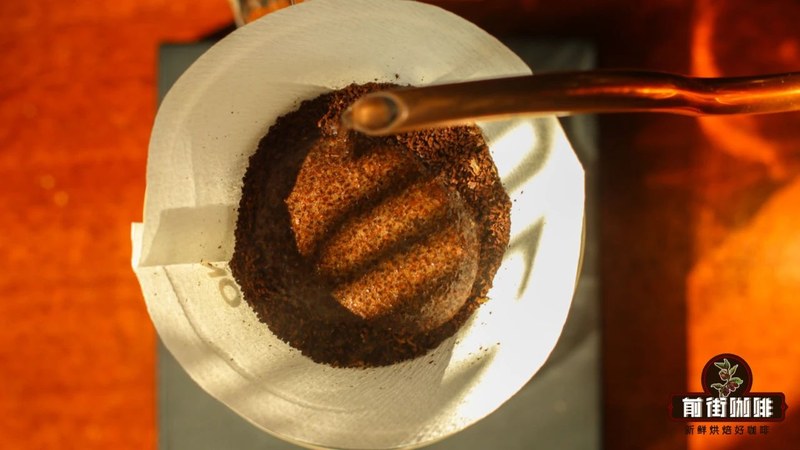
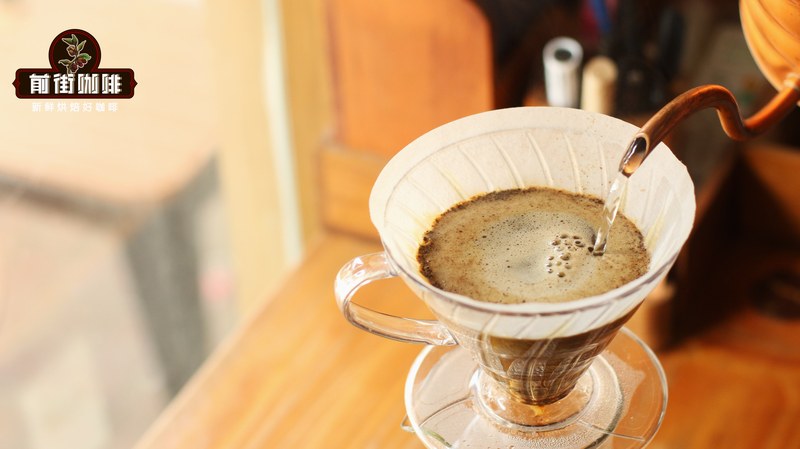
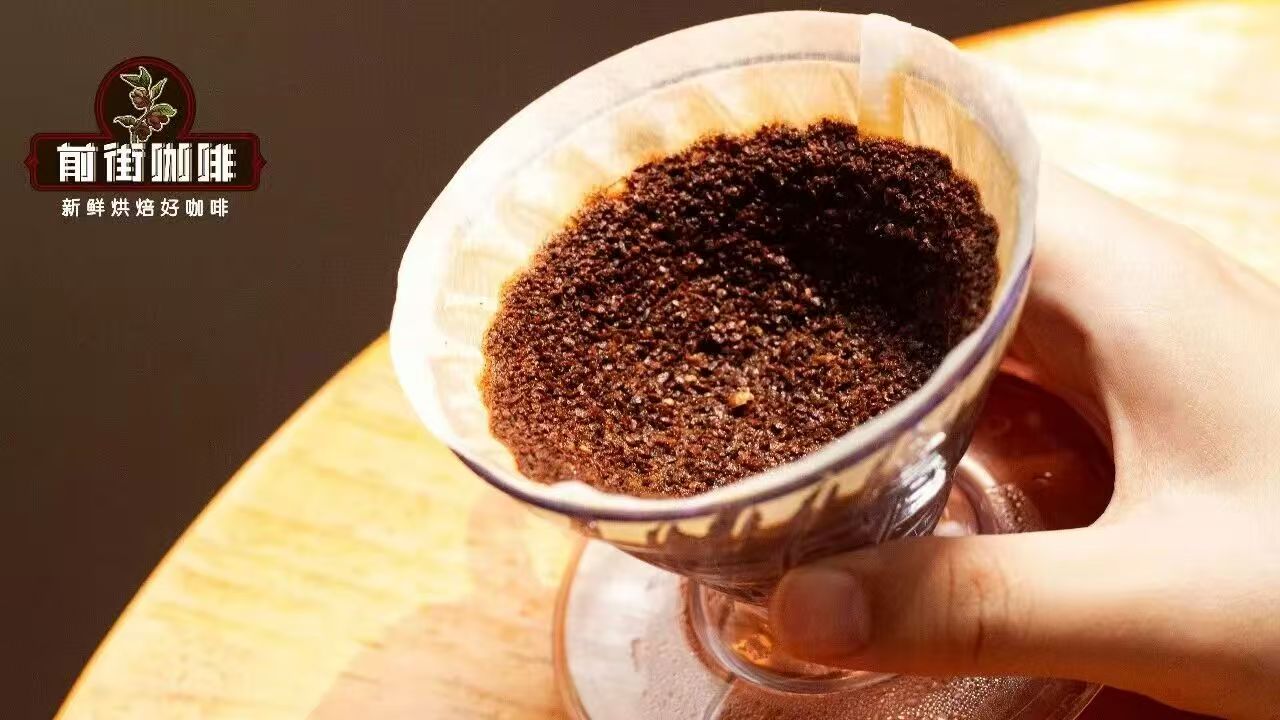
When using a dripper for pour-over, water temperature, grind and coffee-to-water ratio directly affect the cup. Light-roast single origins often need higher water temperature and a finer grind to help floral and fruity notes and sweetness fully release; medium-roast beans can use medium water temperature and a moderate grind, giving a rounder mouthfeel. If the dripper flows quickly, you can grind slightly finer; if drainage is slow, coarsen appropriately to reduce a stuffy feel in the finish.
The dripper's hole size and filter paper shape are also worth noting. A conical dripper concentrates drainage, making it suitable for observing the aroma changes of a single-origin bean; a flat-bottom dripper flows relatively evenly and more easily produces full sweetness. Taking about fifteen grams of coffee for one person as an example, you can start with a coffee-to-water ratio of around one to fifteen, first seeing whether the coffee is light, sharp or dull, then adjust the grind, rather than changing multiple parameters at once.
If you want to experience fruity notes with pour-over, you can consider Qianjie Strawberry Candy coffee beans. Its sweet aroma brings to mind ripe berry candy, with a bright and light style; using a conical dripper, medium-high water temperature and a relatively fast pouring rhythm, it easily gives a refreshing fruity Americano-style flavor. As it cools, the sweetness becomes more obvious, and it is also suitable for iced pour-over, adding some freshness for people used to milk coffee.
With espresso machines, the focus shifts to basket capacity, yield ratio and extraction pressure. Single-origin beans usually emphasize regional character more, making them suitable for single-origin espresso or Americano; blend beans often organize nuts, cocoa and caramel more concentratedly, and are more likely to form a complete mouthfeel under short-time, high-concentration extraction. If a home machine has an 18-gram basket, you can first observe concentration around a 36-gram yield, then fine-tune the grind.
When making a latte, milk dilutes the coffee liquid and also changes the order in which aromas are perceived. At this point the beans need clear sweetness and enough weight, and blends often fit daily needs more closely. Qianjie Black Cocoa Blend carries heavy notes such as dark chocolate and roasted nuts, with restrained acidity; used for espresso, Americano or latte, the coffee flavor is still easy to identify in milk.
If you use a moka pot at home, the equipment's own pressure is lower than an espresso machine, so with the beans you should not only look at richness but also consider how bitterness changes after heating. Medium-dark roast blends usually provide a thicker mouthfeel, but the grind should be slightly coarser than espresso powder, and the coffee bed just needs to stay level. When the liquid color lightens and the sound becomes obvious, stop heating in time, and it is easier to keep a caramel-like sweet aroma in the cup.
Qianjie Specialty Blend is suitable for people who want one bean to work with multiple brewing devices. It takes nuts, caramel and cocoa as its main direction, with naturally connected mouthfeel; for pour-over you can use a medium grind and moderate water temperature, while an espresso machine can show relatively stable concentration. If you are used to black coffee in the morning, either a dripper or an Americano can be used; occasionally adding milk will not make it seem thin.
Low-temperature methods such as cold brew and ice drip present parameters differently again. They soften acidity but may weaken some volatile aromas, so single origins with vivid fruity notes are suitable for shortening immersion or lowering concentration to avoid the finished cup being too heavy. If using ice drip, pay attention to the overall drip rate and liquid concentration; if using cold brew, the grind can be slightly coarser than for pour-over, then adjust the time according to how refreshing the first sip is.
When choosing beans, you can write down the fixed conditions of your equipment: dripper or espresso machine, basket capacity, whether milk is added, and whether you usually prefer hot or iced drinks. For drippers and iced drinks, you can prioritize single origins with clear aromas; for espresso machines and milk coffee, you can focus on sweetness, concentration and body; a moka pot is suitable for choosing medium-dark roast beans that balance body and smoothness. The clearer the parameters, the easier it is to narrow the choice.

Coffee beans have no unified answer that still holds apart from the equipment; whether they are suitable depends on whether the extraction method can present their strengths. If you are willing to adjust parameters, you can use single origins to observe regional differences; if you want fast, stable cups every day, you can start with blends. Record the dose, grind, water temperature or yield item by item, and the pairing of equipment and beans will gradually become clearer.
Related Reading


Comments (0)
Loading comments...
You May Be Interested


Trending Reviews
Popular Videos

With you, wherever you are! We provide useful features to help you find new things you'll love






