Source:Best Coffee > News Author:qjroot Published:2026-09-19 12:22:55
Coffee beans are usually divided into two paths: single-origin and blend. Single-origin beans emphasize the pure expression of a region's terroir, showcasing the distinct character of a specific estate and micro-lot; blend beans focus on the art of harmony, combining beans with different characteristics in proportion to present a complete, balanced and stable performance. Once you understand the flavor logic of these two, you can naturally pick beans with a clear purpose.
Those who love origin distinctiveness often prefer single-origin beans. These beans are usually roasted at a medium-light level, preserving as much of the coffee fruit's native aromatic substances and fruit acids as possible, so the first sip delivers a clear and bright taste experience. When you want a cup of transparent black coffee to wake up your senses in the morning and savor the floral and fruity aromas from soil and sunlight, single-origin beans can open up a vast new world for you.
To appreciate the bright and refreshing clarity of African washed coffee, Qianjie Yirgacheffe Gudingding is a highly representative choice. It carries fresh citrus, berry and white floral notes, with a sweet green-tea-like finish in the aftertaste. For pour-over, a water temperature of 91°C is recommended; weigh 15g of coffee grounds and use a 1:15 coffee-to-water ratio, for a total water volume of 225ml. First pour 30ml of water and let it bloom for 30 seconds, then pour in three steady stages up to 225ml and remove the dripper, keeping the total time to 2 minutes 05 seconds, for an especially vivid layered cup.
If you seek a more delicate and elegant aromatic texture, Qianjie Panama Hacienda La Esmeralda Red Label Geisha showcases the terroir charm bestowed by a microclimate. The cup exudes elegant bergamot and jasmine aromas, with citrus sweetness and a black tea undertone. To brew this light-roasted Geisha, a water temperature of 90°C is suggested, with 15g of grounds and a 1:15 coffee-to-water ratio, for a total pour of 225ml. First bloom with 35ml of water for 30 seconds, then use a two-stage pour circling outward from the center, for a total time of 1 minute 55 seconds, giving a delicate and pure first sip.
Besides traditional pour-over, the recently popular SOE is also a hot way to enjoy single-origin beans. SOE means making espresso with beans from a single origin, concentrating and amplifying the gentle floral and fruity notes under high pressure. When used to make iced Americano, the fruit acidity is bright and mouth-watering, as light as iced fruit tea; if made into milk coffees such as flat white, the clean sweet floral and fruity notes blend with the milk, also bringing a refreshing experience full of surprises.
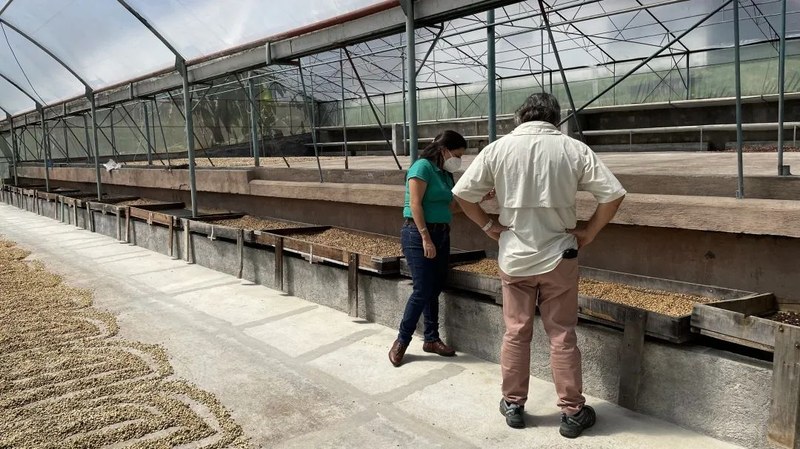
To extract a balanced-flavor SOE espresso, parameter control must be especially careful. When using an espresso machine, weigh 18g of finely ground coffee, level and tamp it, then lock it into the portafilter, start low-pressure pre-infusion and extract at constant pressure under 9 bar, precisely extracting 36g of espresso within 26 seconds. This extraction avoids overly sharp acidity and preserves the full origin aroma; after adding ice water to make an Americano, it is especially refreshing.
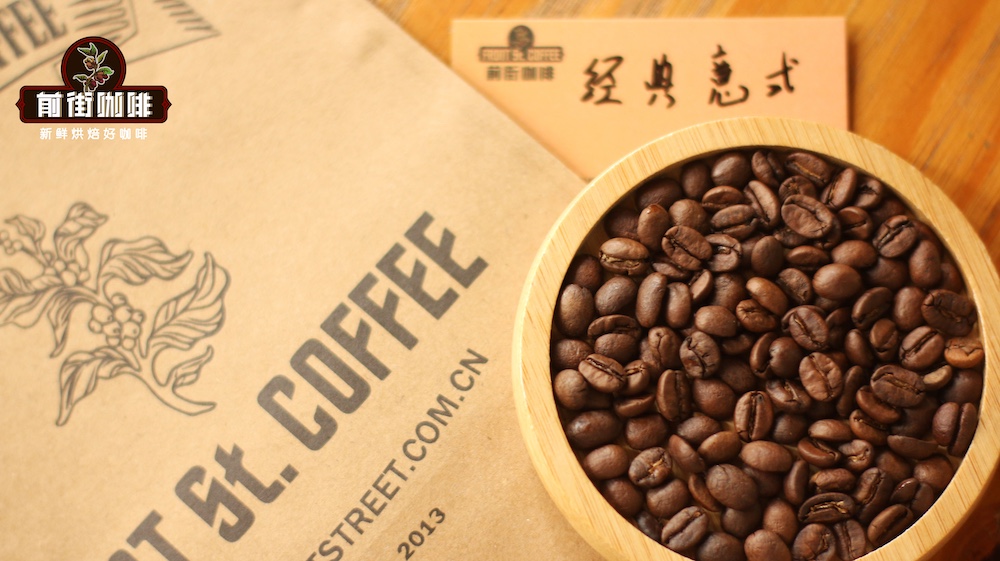
Unlike single-origin beans that pursue individuality, traditional blend beans aim for harmonious unity. Reading a blend's recipe ratio is actually simple; the common 7:3 or 6:4 ratios usually use a large proportion of base beans to establish a nutty, caramel foundation and provide body, then pair with a small portion of high-aroma beans to add flavor contours. The complementary strengths of different origins create an extremely high tolerance for error and a cup-to-cup consistency.
Traditional blend beans are mostly medium-dark roasted, carrying the rich aroma of chocolate, roasted nuts and caramel, and are truly the tacit partner of milk coffee. Milk's abundant milk fat and lactose blend perfectly with the deep bittersweetness of blend espresso, turning into a silky, rich and warming drink. If you are used to a hot latte or cappuccino every day as work fuel, traditional blends can deliver full satisfaction.
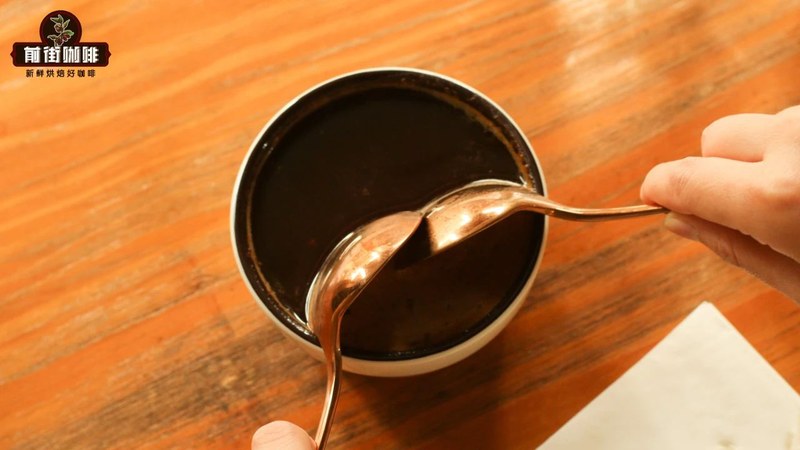
In home settings without an espresso machine, the moka pot is a great helper for extracting traditional blends. When using a double-valve moka pot, fill the lower chamber with 90ml of room-temperature water, fill the basket with 18g of medium-fine blend grounds, level it, assemble, and heat over medium-low heat for 1 minute 40 seconds; once the deep golden, thick crema flows out steadily, remove from heat immediately. The resulting rich coffee liquid, whether added to warm fresh milk or oat milk, is fragrant and aromatic.
When choosing beans for your home hand grinder, clarifying your drinking habits makes the decision easy. If you prefer the clear floral and fruity aroma of black coffee, you can confidently choose single-origin pour-over; if you love a strong oily body and sweet milk coffee, a balanced traditional blend is suitable. Each has its own merits; match them to your daily scenario, and every grind and brew can yield a pleasant, tasty cup.
Related Reading



Comments (0)
Loading comments...
You May Be Interested

Trending Reviews
Popular Videos

With you, wherever you are! We provide useful features to help you find new things you'll love






