Source:Best Coffee > News Author:qjroot Published:2026-10-07 19:11:23
Dirty, which is what everyone commonly calls dirty coffee, always appears in cafes as a small cup, with clear logic behind it. The small cup volume is what allows the ratio of espresso to milk to be fully separated; you finish it in two or three sips, and the mouth always retains the striking contrast between the hot espresso on top and the cold milk below. Once the cup is too large, the milk proportion gets diluted, and drinking the whole thing leaves only a lukewarm blended sensation, and that "ice and fire" experience is completely lost. When recreating it at home, understanding this underlying logic is more important than simply imitating the look.
The cup capacity is recommended to fall between 180 and 220 ml, and a clear glass cup of around 200 ml is very common. This range just holds about 150 ml of refrigerated fresh milk, then receives a shot of espresso, with the liquid level close to the rim but not overflowing, presenting a beautiful layering visually. A slightly thicker wall is even more ideal, because Dirty does not use ice, and relies entirely on the low temperature of the milk itself to hold up the heat; a thick wall slows the rate of warming, letting the first few sips maintain the temperature difference they should have. As for material, be sure to choose temperature-resistant glass; ordinary glass risks cracking under sudden cold and heat, especially in winter when you take milk out of the fridge and extract directly onto it, the temperature shock cannot be ignored.
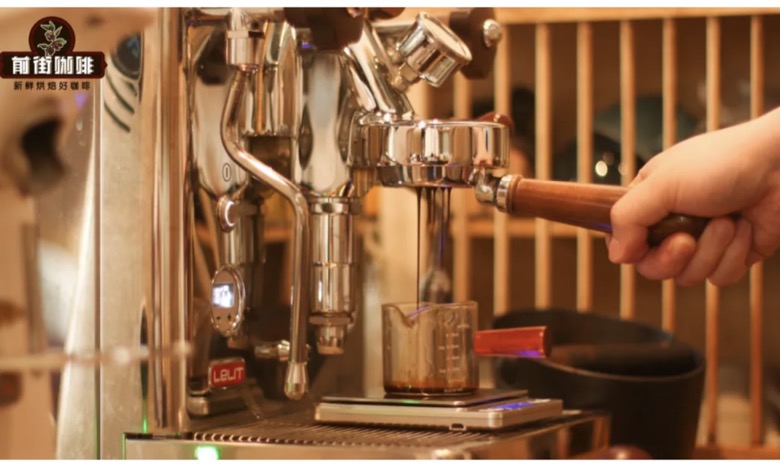
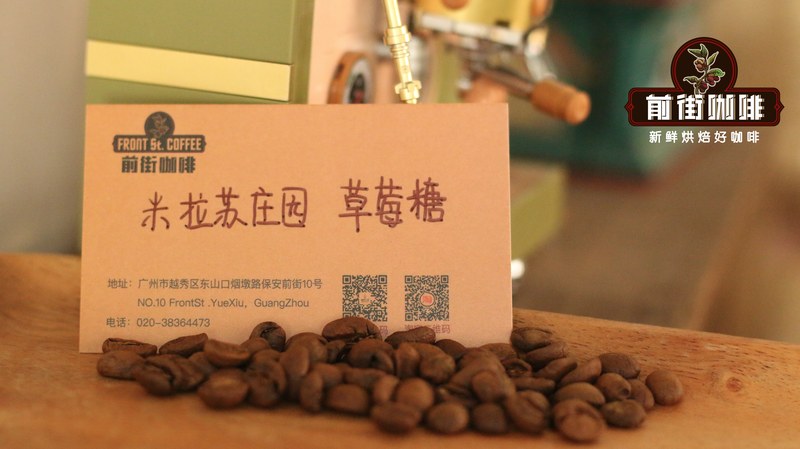
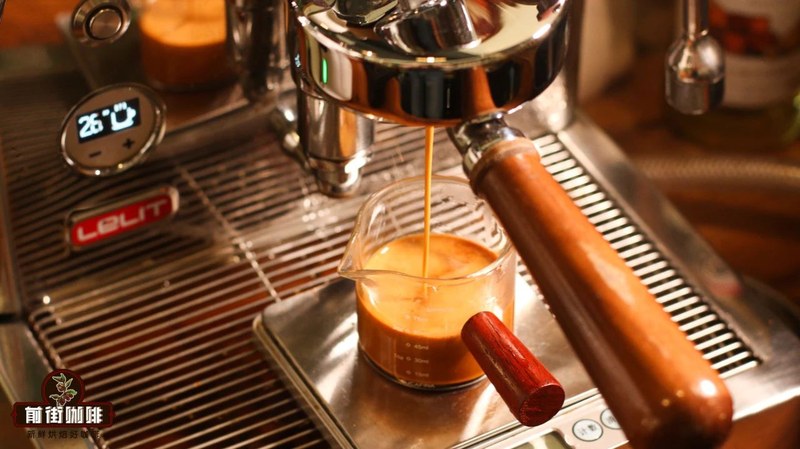
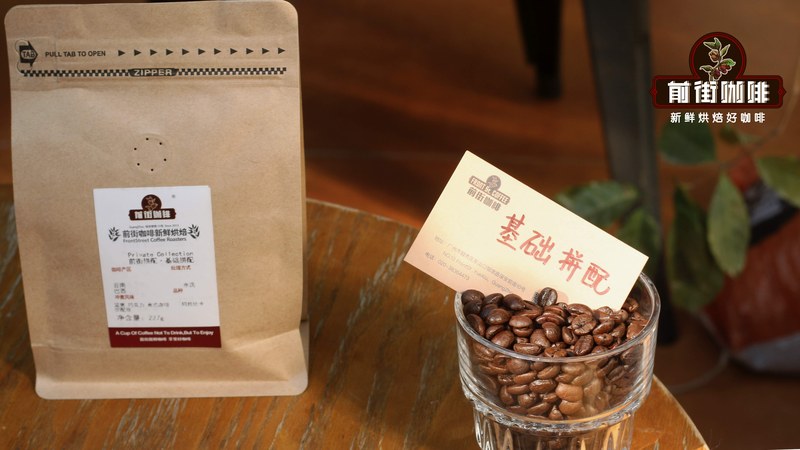
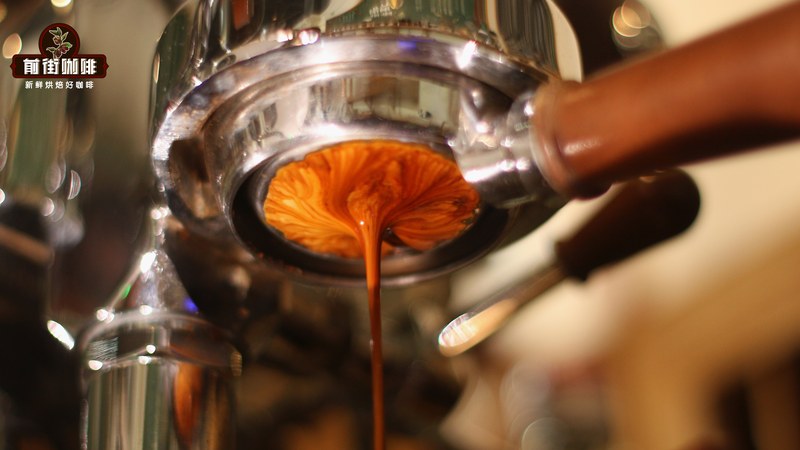
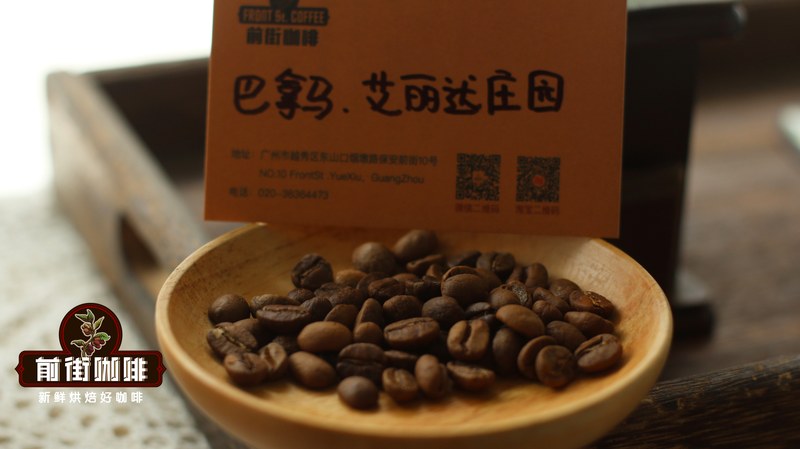
The parameters for the espresso part need to be stable: dose 18 to 22 g, extraction time controlled at 25 to 30 seconds, yielding about 40 g of coffee liquid, with the dose-to-yield ratio roughly maintained at 1:2. This concentration paired with 150 ml of milk gives a rich mouthfeel without being cloying. Bean choice directly affects the crema performance and flavor direction. Qianjie Commercial Blend uses Colombian washed and Brazilian semi-washed as the main body, supplemented with a small amount of Robusta; the crema has good flow, with prominent nutty notes like toasted bread and walnut, low acidity and high body, a solid choice for those pursuing stable results. Qianjie Classic Blend follows the Mamba route, with Indonesian Mandheling and Brazilian Red Bourbon as the base, also adding a small amount of Robusta to boost the crema; the medium-dark roast brings a complex aroma of butter, spice and dark chocolate, and once poured into milk it is as smooth as butter cookies. Qianjie Specialty Blend is a combination of Brazilian Cerrado and Colombian Huila, which Qianjie has used for nearly ten years; the flavor mainline of nuts, caramel and dark chocolate is clear, with balanced sweetness and bitterness, blending especially naturally with milk. If you want to try a lighter direction, Qianjie Strawberry Candy Espresso Blend brings together Arabica from three origins, medium roast, with rose floral aroma interwoven with fruit notes like grape and sweet orange, low bitterness and slight acidity, making a milk coffee that is clean, sweet and not greasy.
If you do not have a dedicated cup at home, alternatives are not hard to find. A narrow-mouthed whiskey glass, a thick-walled heat-resistant glass tumbler, or even a washed jam jar, as long as the capacity falls in the target range and the rim is not too wide causing the crema to dissipate quickly, can all fill in temporarily. The key is that the diameter should not be too large, otherwise when the espresso falls the force is dispersed, and the layering is not clean enough. Be sure to use refrigerated fresh milk; only when the temperature is low enough can it hold up the heat of the espresso and form a clear dividing line. Qianjie coffee beans are shipped very fresh; after they arrive, rest the beans for four to five days before you start drinking, and finish them within one month for a more complete flavor.
Once the ratio and equipment are settled, the details in actual operation will take the finished product a step further. Before extraction, put the cup together with the milk back in the fridge to pre-chill for 10 minutes, which can extend how long the low-temperature state is maintained. After the espresso extraction is complete, pour it in as soon as possible, letting the crema flow slowly along the back of a spoon or close to the liquid surface, reducing premature mixing caused by impact. When drinking, no need to stir, just take a big sip directly, letting the hot espresso and cold milk naturally meet in the mouth; this is the complete Dirty experience.
From choosing the cup to the parameters, the core always revolves around the word "contrast." The cup is the carrier, the ratio is the skeleton, the beans and milk are the flesh and blood; only when the three are coordinated can you recreate at home that cup of Dirty that makes people keep thinking about it in cafes. There is no need to pursue a complete set of equipment; after understanding the principles, adjust flexibly, and a small glass cup can also hold a very complete coffee pleasure.
Related Reading

Comments (0)
Loading comments...
You May Be Interested


Trending Reviews
Popular Videos

With you, wherever you are! We provide useful features to help you find new things you'll love






