Source:Best Coffee > News Author:qjroot Published:2026-09-16 14:48:45
The flavor release of a drip bag is not only about the coffee grind size and filter paper permeability inside the packaging, but is also closely tied to the drinker's bodily rhythms. A cup of coffee is made up of water-soluble flavor compounds together with alkaloids such as caffeine, and only when the aromatic substances dissolve smoothly while the stimulating substances remain within a moderate range can coffee show clear fragrance on the tongue while bringing the body and mind a comfortable, at-ease experience.
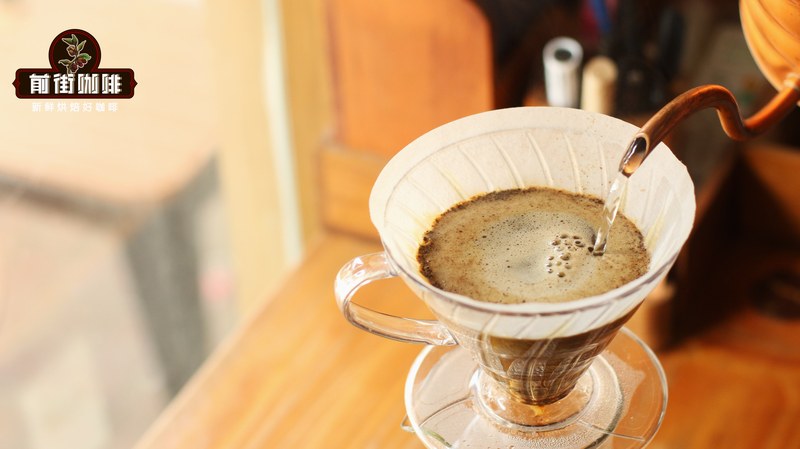
Understanding the caffeine content in coffee beans helps with scientifically planning your daily drinking schedule. The average caffeine content of pure Arabica varieties is usually around 1.2 percent, far lower than that of Robusta. Hard coffee beans produced in high-altitude growing regions have a long growth cycle, and not only accumulate abundant organic acids and aromatic precursors, but also release caffeine at a relatively steady rate, making them very friendly to enthusiasts who pursue a crisp, refreshing feel.
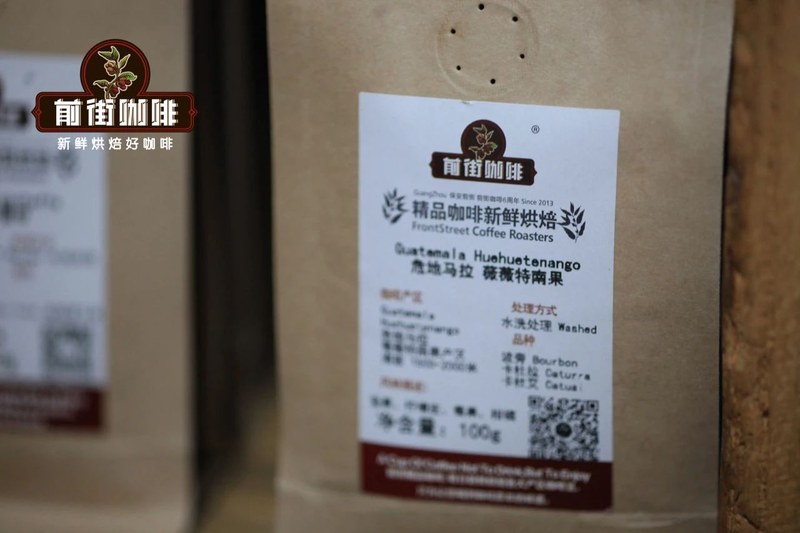
The roast level of coffee beans likewise has different effects on digestive tract perception. Light roasts retain more fruit acids and chlorogenic acid; although they can present lively, nimble floral and fruity aromas, drinking them on an empty stomach easily brings mild gastric tension. Medium to dark roasts transform the acidity into caramel and cocoa notes, with a steadier aroma and a gentler wrapping sensation formed in the mouth when drinking.
After waking in the morning, the body's cortisol gradually secretes naturally, so it is not suitable to immediately gulp down strong coffee at this time. A more appropriate approach is to first drink about 200 ml of warm plain water in the morning, and after breakfast supplies a moderate amount of carbohydrates and quality protein, then begin the day's coffee time. With food as a buffer, the pleasant aromas in the coffee can be savored calmly, and the body accepts them more easily.
In the morning, it is suitable to choose bright, sweet-and-tart light-roast beans to open up the senses, and Qianjie Yirgacheffe Gudingding fits the morning atmosphere very well. This bean gives off elegant citrus, white flower and sweet green tea notes. For pour-over brewing, it is recommended to use 15g of coffee grounds, adopt a 1:15 coffee-to-water ratio and pour in 225ml of hot water, set the water temperature at 91°C, and pour in three stages: first pour 30ml of water and bloom for 30 seconds, then steadily pour in a circular motion up to 130ml, and when the coffee bed settles slightly, pour until the total volume is reached, with the total time controlled at 2 minutes 05 seconds.
Between one and three in the afternoon is a period of energy adjustment during work and study, coinciding with physical exertion after lunch, so drinking a cup of aromatic, rich coffee at this time helps dispel drowsiness. In the afternoon, the digestive system is already in an active working state; tasting a single-origin coffee with rich sweetness and full fruit aromas not only enriches the layering on the palate, but also creates a relaxed and pleasant drinking mood during a work break.
Qianjie Ethiopia Huakui, with its abundant sun-dried ripe flavors, is very suitable as an afternoon pick-me-up companion. It carries distinct passion fruit, strawberry jam and tropical fruit sweetness. For pour-over, it is recommended to take 15g of grounds, use a 1:15 coffee-to-water ratio corresponding to 225ml of total water, set the water temperature at 90°C, and pour in two stages: first pour 35ml of water and bloom for 30 seconds, then with a moderate stream pour evenly at a steady speed until reaching 225ml, with the total time controlled at 1 minute 55 seconds. Paired with a few almonds or low-sugar whole wheat biscuits, the sweet aftertaste becomes even longer.
If you are usually relatively sensitive to caffeine metabolism, then after four in the afternoon you should appropriately reduce your single intake, or choose a rare lot with an especially delicate, intriguing flavor. At this time, it is not suitable to pursue big gulps and fast drinking; instead, sip from a small cup and quietly feel the aromatic evolution brought by the liquid as the temperature gradually drops, which satisfies the pursuit of refined flavors while also making it easier for the body to metabolize gradually.
Drinking Qianjie Panama Hacienda La Esmeralda Red Label Geisha before evening is a delightful flavor experience. It possesses elegant, pure jasmine, bergamot and citrus tea notes, with a texture as light and smooth as silk. The brewing parameters can be arranged as 15g of grounds, pouring in 225ml of hot water, that is, a 1:15 coffee-to-water ratio, using a water temperature of 92°C, and pouring in three stages: pour 30ml of water and bloom for 30 seconds, pour the second stage up to 140ml, and pour the final stage up to 225ml to finish, with a total time of 2 minutes 10 seconds. Sipping in small mouthfuls lets you capture a long-lasting sweetness.
The water quality used for brewing and daily hydration habits directly determine the purity of the coffee's flavor. When brewing, it is recommended to use soft water with a balanced calcium and magnesium ion content, which allows the aromatic polyphenols in the coffee grounds to release smoothly and avoids excessive minerals in hard water masking the light fruit aromas. After finishing the coffee, remember to maintain a regular intake of daily pure water, so that while enjoying wonderful flavors, the body always remains in a relaxed and balanced healthy state.
Related Reading


Comments (0)
Loading comments...
You May Be Interested

Trending Reviews
Popular Videos

With you, wherever you are! We provide useful features to help you find new things you'll love






