Source:Best Coffee > News Author:qjroot Published:2026-09-03 18:51:44
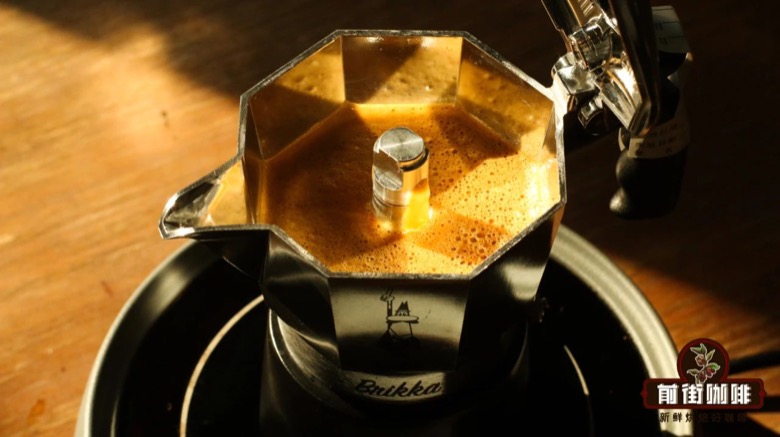
Coffee brewed with a Bialetti moka pot is usually stronger than pour-over, yet not as heavy and dense as espresso. Hot water heats up inside the pot and passes through the coffee bed, and the size of the filter basket, the capacity of the pot and the heating rhythm all affect what ends up in the cup. So when choosing beans, you shouldn't just fixate on the name of the origin. First look at the specs of your moka pot, then judge what kind of roast and flavor profile will perform best.
Capacity is a very practical parameter when you're getting started. Bialetti's common one-cup, three-cup and six-cup sizes have different filter basket volumes, and the dose usually needs to fill the basket to keep things consistent. A small pot yields little liquid, so it suits beans with concentrated aroma and clear sweetness; a large pot yields more liquid, so you can consider types with a full body that still have flavor to support them after the concentration drops.
The shape of the filter basket also affects how well beans fit. The coffee bed in a moka pot is relatively thin and hot water passes through quickly, so if the beans are too hard and the roast is on the light side, you often need a finer grind to release flavor, but as the proportion of fines increases, the cup can turn sharp or drying. Beans roasted to a medium to medium-dark level have a structure that opens up relatively easily, and there is more room to adjust the grind.
Grind size can be understood as the key interface of the moka pot. If the grounds are too coarse, water flows through quickly, the coffee tastes thin and the aroma is hard to concentrate; if the grounds are too fine, resistance increases, the flow slows down and bitterness and heaviness tend to rise. In practice, you can start from a state close to espresso grind but slightly more open, and judge by both the flow rate and the mouthfeel, without chasing a tightly tamped coffee bed.
The heating method also changes the outcome of bean selection. The bottom of a moka pot holds a limited amount of water, and when the flame is too high the coffee bed heats up quickly at a higher temperature, which can amplify the roasty notes and bitterness of dark-roasted beans. If you use a medium-dark roast, pair it with a gentler flame, and remove the pot from the heat when the coffee lightens in color and the sound begins to change, so that sweet aromas like cocoa, nuts and caramel stay intact.
If your pot is a three-cup or six-cup size and you usually drink black coffee, you can look at Qianjie Brazil Queen's Estate. Its nutty and cocoa character easily forms a rounded body in a moka pot, and its caramel-like sweetness keeps a stronger coffee from tasting thin. You can add a small amount of hot water to adjust the intensity when drinking it straight, and once cooled it also works well poured over ice to make a refreshing moka pot americano.
For those who want low acidity, the high temperature and faster flow of the pot suit beans that are themselves mild in acidity. Qianjie Papua New Guinea Paradise Bird is a gentler direction, not putting bright acidity at the front of the sip, with a clean, smooth sweetness overall. After brewing with a three-cup pot and diluting with water, it still keeps a soft aroma; paired with a small amount of milk, it also goes down easily.
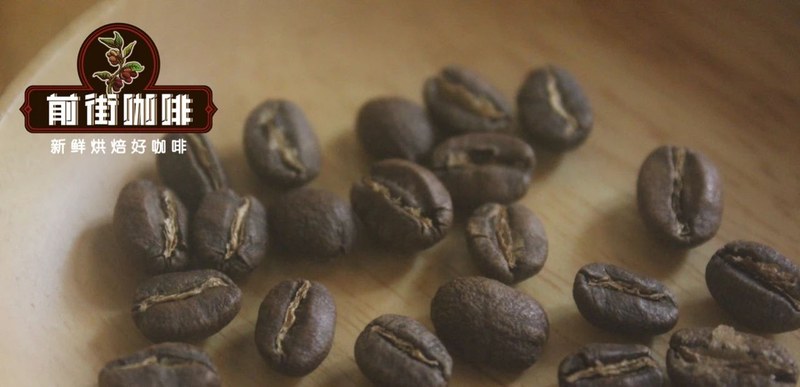
For those who like a thick mouthfeel, consider the filter basket capacity together with the drink ratio. Qianjie PWN Indonesia Golden Mandheling has herbal, dark chocolate and dark sweetness notes, and once it goes into a moka pot, body is relatively easy to build. It suits brewing a full pot in a six-cup pot and then dividing it into small cups; if you make a milk coffee, reduce the proportion of milk so the coffee's weight stays in the cup.
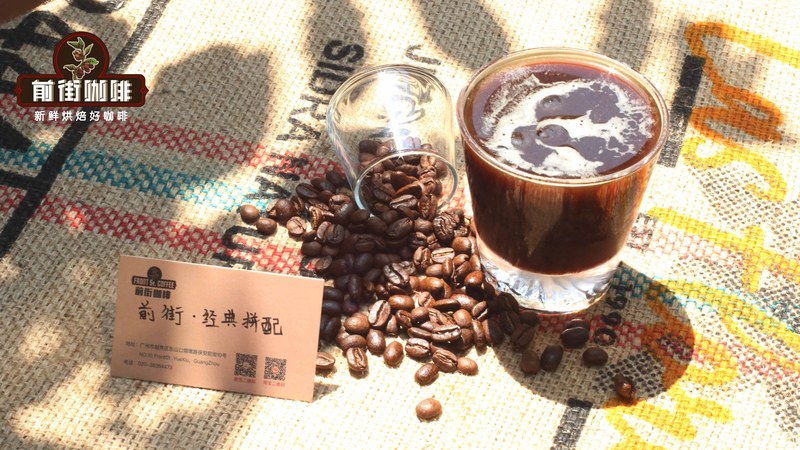
The material of the pot is also worth noting. An aluminum moka pot heats up quickly, so it suits controlling the flame and ending the extraction in time; a stainless steel pot usually behaves differently in heating and heat retention, so you need to watch the actual flow rate rather than copying another pot's timing exactly. Whatever the material, the beans should be kept at a relatively stable dose and grind, letting the equipment establish a fixed performance first before you adjust the flavor direction.
Finally, you can work backward from the flow to judge whether the beans are suitable. The coffee starts dark in color and flows evenly, then gradually lightens, which is a fairly common progression; if it sputters out quickly, it means the flame, the resistance of the coffee bed or the seal needs to be checked; if no liquid comes out for a long time, you can adjust things like a grind that is too fine or too much coffee. Once capacity, basket, grind and flame work together, a moka pot more easily brews coffee that matches your own taste.
Related Reading


Comments (0)
Loading comments...
You May Be Interested




Trending Reviews
Popular Videos

With you, wherever you are! We provide useful features to help you find new things you'll love






