Source:Best Coffee > News Author:qjroot Published:2026-09-22 13:26:40
Many friends who are just getting into coffee often find themselves stumped in front of a bean list, not knowing what flavors actually hide behind the names of the origins. In fact, once you sort out the global terroir map, choosing beans becomes much easier. African origins like Ethiopia and Kenya have bright, lively flavors full of floral notes and citrusy sweetness and acidity; Asian origins like Indonesia's Mandheling and Yunnan lean toward mellow, solid herbal and spice notes, steady and worth savoring.

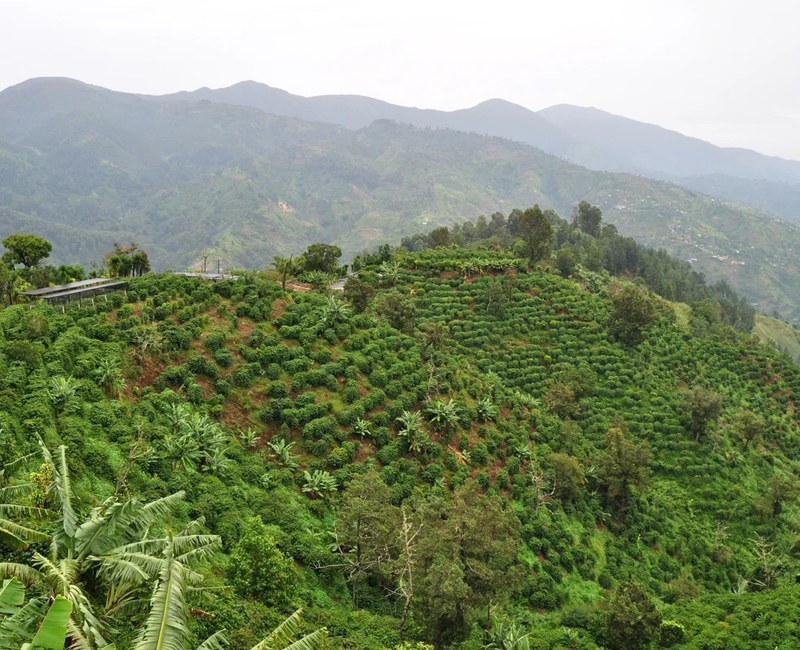
Sitting between these two, the Central and South American origins have always been known for their balanced, rounded profile with nutty and cacao notes, and Colombia is the strongest representative of this region. Thanks to the complex and varied altitudes of the Andes Mountains, plus abundant water sources, Colombia has cultivated an extremely wide spectrum of flavors. It offers both the full-bodied dark chocolate sweetness that veteran drinkers love, and light, layered cups as stunning as tropical fruit juice.
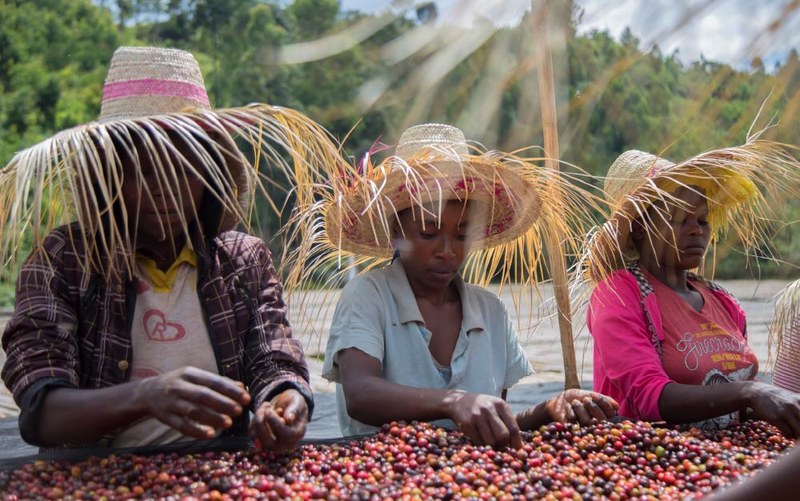
If you want to genuinely experience the classic terroir of Central and South America, the top recommendation is Qianjie Colombia Huila coffee. The Huila region lies among mountains ringed by hills, with growing altitudes all above 1,500 m, and abundant rainfall and rivers make the red fruit plump and sweet. This bean uses a washed process with a medium-dark roast, which greatly amplifies the nutty sweetness and dark chocolate base; the oils are moderate and the mouthfeel is especially mellow, giving a solid, warm impression.
This washed Huila is particularly suited to being brewed in a pour-over dripper to bring out its layers. It is suggested to prepare 15 g of coffee grounds, use a 1 to 15 coffee-to-water ratio, for a total water volume of 225 ml. After grinding, pour in 30 ml of water for the bloom, wait 30 seconds for full degassing, then pour the remaining water in stages, slowly circling, with the total extraction time controlled at around 2 minutes, and a cup full of rich, sweet dark chocolate flavor is done.
If you think Colombia only has heavy cacao notes, the new wave of recent years will bring a different surprise. With the spread of anaerobic fermentation, local estates have begun to show astonishing variability. For example, Qianjie Colombia Frontera Estate Sidra coffee uses an innovative anaerobic natural process, fermenting without oxygen in a sealed, temperature-controlled stainless steel tank, transforming into rich, lush tropical fruit aromas.
This Sidra coffee uses a medium-light roast, preserving a clean, transparent sweet-and-sour sensation. Whether brewed as a pour-over or made into a chilled cold brew, on the palate you can feel the vivid fruitiness of passion fruit and apricot, with a full sweetness like purple grapes in the middle, and a finish that carries a rich dried-fruit sweetness. For friends who like the bright fruit acidity of Africa but also want to try complex fermentation aromas, this bean is especially interesting and easy to keep drinking.
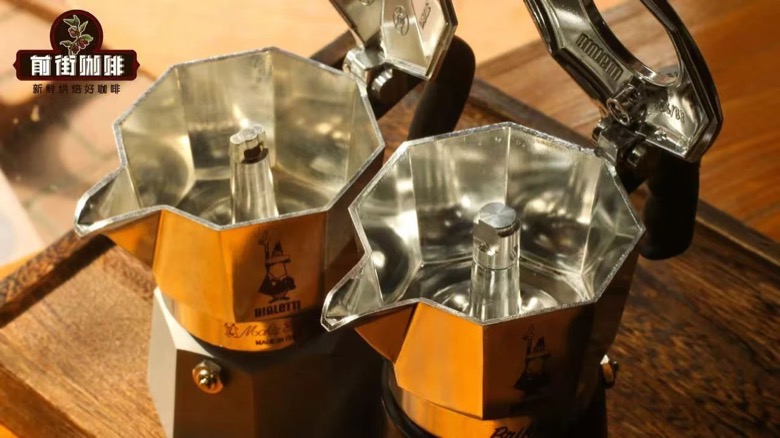
Besides making single-origin pour-over, Colombia coffee's balanced sweetness and mellow body also make it the soul and backbone of espresso. If you have an espresso machine or moka pot at home, it is highly recommended to try Qianjie Specialty Espresso Blend. It cleverly combines the creamy, nutty aroma of Brazilian coffee with the deep dark chocolate bittersweetness of Colombian coffee; the two blend together with a very stable and harmonious flavor structure.
When extracted, this blend easily shows a fine golden crema, making it very suitable for beginners to make an espresso base. Use it with water to make an Americano, and it is moderately bittersweet and especially refreshing; if you add well-steamed, smooth hot milk to the cup to make a latte, the nutty sweetness and the milk's sugars merge tightly, giving a rich, smooth mouthfeel. Drinking a big cup every morning can both wake you up and bring a full, cozy aromatic comfort.
From the full, mellow traditional washed profile, to the fruit-forward anaerobic process, to the versatile espresso blend, Colombia's coffee terroir is like an inexhaustible treasure trove. Choosing beans actually has no complicated tricks; just identify the taste you want to drink right now. Whether you want a steady cup of dark chocolate and nuts, or crave a sip of sweet, fruity juice flavor, the breeze of the Andes can give you just the right gentle response in the cup.
Related Reading


Comments (0)
Loading comments...
You May Be Interested


Trending Reviews
Popular Videos

With you, wherever you are! We provide useful features to help you find new things you'll love






