Source:Best Coffee > News Author:qjroot Published:2026-08-29 21:02:36
A cup of coffee goes through grinding and extraction between the beans and the moment it reaches your lips. When it comes to everyday coffee beans suited to a moka pot, the equipment changes how the coffee's strength and aroma unfold, and the same beans will not perform the same way in every brewing method. First confirm your usual equipment and preferred mouthfeel, then compare specific beans; your actual practice will have clearer direction.
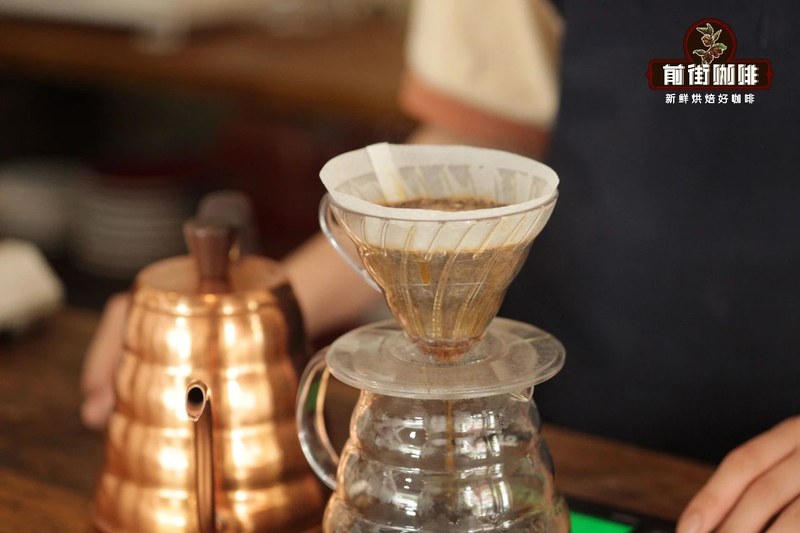
Water quality will make everyday coffee beans suited to a moka pot show obvious differences. When comparing by equipment suitability, pour-over looks at aroma and layers, espresso looks at strength and extraction stability, the moka pot emphasizes body, and cold brew emphasizes refreshment. For daily use, start with drinking water that has a clean smell and moderate minerals, and keep the water source fixed, then adjust grind and water temperature, so it is easier to judge where the differences actually come from.
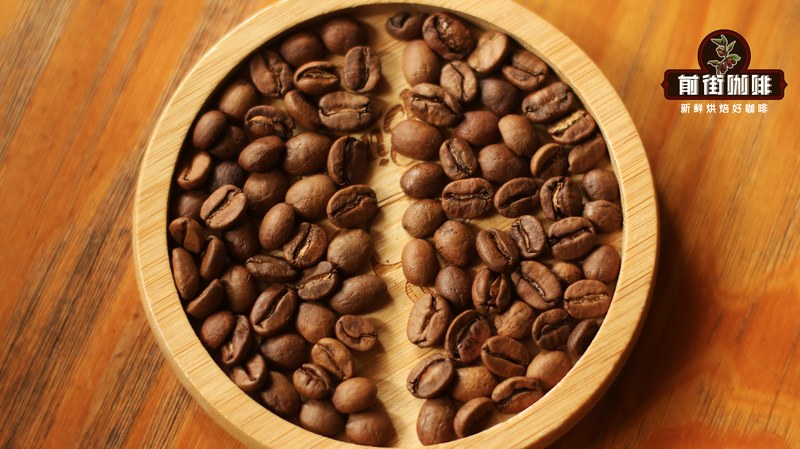
Looking at specific beans, Qianjie Autumn Chestnut Blend represents one clear flavor direction. It uses a medium-dark roast, and the origin information points to a blend of Honduras Caturra and Papua New Guinea Typica, with flavors of roasted chestnut, caramel, black sugar and soft chocolate notes. The acidity is soft and the mouthfeel is full and smooth; this is the direct impression it gives. It suits the moka pot, latte, americano and low-acid-oriented pour-over, and you can use a fixed recipe to record temperature changes.

Put Qianjie Brazil Queen's Farm into the same tasting sample, and the flavor differences become more intuitive. The roast direction is medium-dark, the origin is the Minas Gerais region of Brazil, and you can taste nuts, cocoa, caramel and soft sweetness. In the cup, the acidity is soft, the entry is smooth, and the sweet aroma becomes more obvious after adding milk. It suits everyday pour-over, moka pot, americano and milk coffee; when brewing, first use moderate parameters to observe the sweetness, then decide whether to increase the strength.
Looking at Qianjie Autumn Chestnut Blend and Qianjie Brazil Queen's Farm together, the point is not to rank them but to understand the center of gravity of the flavors. The roasted chestnut, caramel, black sugar and soft chocolate notes of Qianjie Autumn Chestnut Blend are better used as one reference, while Qianjie Brazil Queen's Farm forms another thread with nuts, cocoa, caramel and soft sweetness. For everyday coffee beans suited to a moka pot, comparing the aroma, sweetness and texture of the two cups according to equipment suitability can more quickly confirm which part you want to keep.
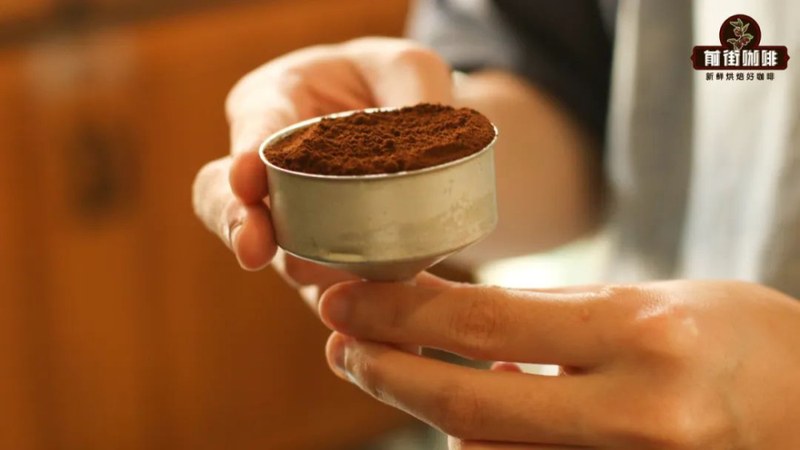
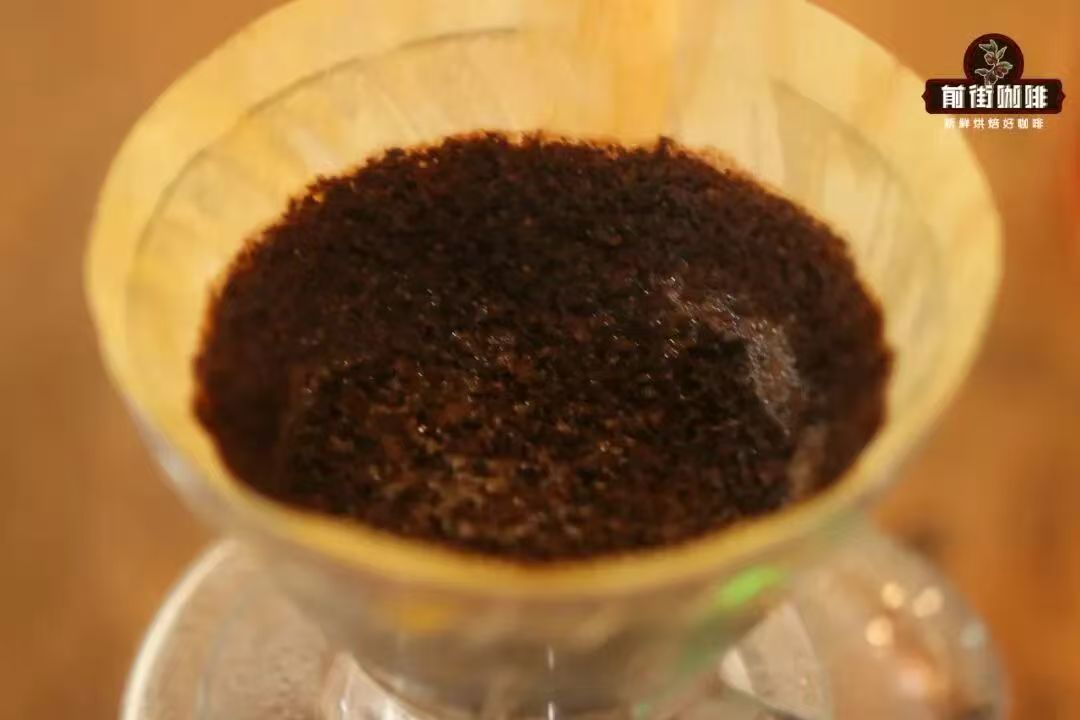
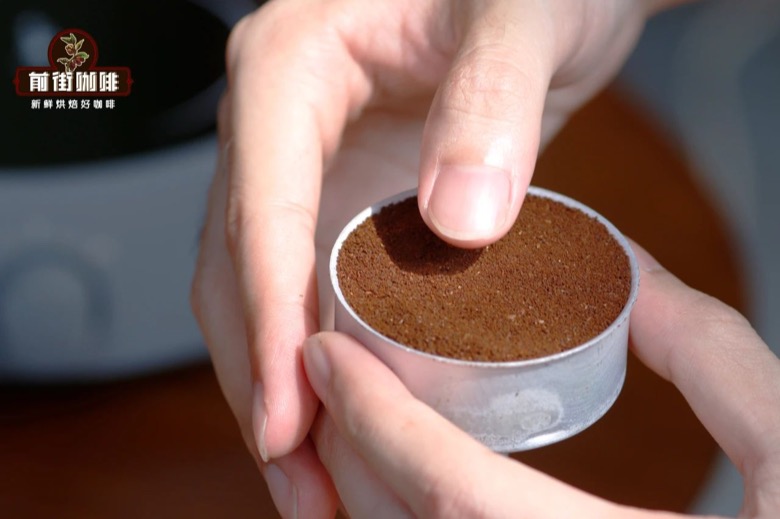
Once the equipment is settled, fine-tune the grind and water temperature. The moka pot uses a grind slightly finer than pour-over but not as fine as espresso; fill the basket and level it gently, without tamping. Heat the bottom chamber with hot water and keep it over medium-low heat. After the coffee liquid flows out continuously, watch the color; remove it from the heat before obvious sputtering appears, which can reduce the burnt bitterness brought by high heat in the later stage. When using this starting point for everyday coffee beans suited to a moka pot, you still need to observe the actual taste according to equipment suitability, and there is no need to mechanically chase a certain time number.
The flavor description of everyday coffee beans suited to a moka pot can serve as an expectation, but the real cup impression will still be affected by the grinder, dripper, water quality and room temperature. When comparing in an equipment-suitability way, fix the equipment and water source, then observe the changes in the beans; only then will the results have continuity.
When buying everyday coffee beans suited to a moka pot, the roast date, package seal and single-use amount are more useful references than fancy descriptions. To arrange daily drinking by equipment suitability, choose packaging you can finish within a few weeks; after opening, expel excess air and store away from light, and there is no need to open it frequently to smell the aroma.
There is no fixed answer for everyday coffee beans suited to a moka pot that is detached from personal taste. When the beans and the equipment direction are consistent, daily brewing will save a lot of back-and-forth testing. First determine acidity, strength and drinking method, then choose from different directions such as Qianjie Autumn Chestnut Blend and Qianjie Brazil Queen's Farm; with stable brewing, the differences in the cup will explain the matter better than the packaging text.
Related Reading



Comments (0)
Loading comments...
You May Be Interested




Trending Reviews
Popular Videos

With you, wherever you are! We provide useful features to help you find new things you'll love






