Source:Best Coffee > News Author:qjroot Published:2026-08-30 19:31:29
There is no fixed answer that SOE can only use dark roasts or light roasts. The key is whether the espresso machine can dial the bean's sweetness, aroma and strength into the right place. Light-roasted beans suit people who like bright fruit acidity, floral notes and a crisp finish, while dark-roasted beans more easily deliver cocoa, nut and caramel directions. When looking at beans, you should also look at the grinder, the machine's temperature control and your main way of drinking.
Light-roasted beans usually have a denser structure, so getting the flavor fully into the coffee liquid requires a higher water temperature, a finer grind and a longer contact time. For a home espresso machine, you can start at 93 to 96°C, set the brew ratio first between 1:2 and 1:2.5, then increase sweetness by extending the shot time. If the machine supports pre-infusion, letting the puck absorb water evenly first usually helps reduce local channeling.
The flow rate of a light-roast SOE tends to be slower, so the grinder needs sufficient fineness and stability. Taking 18 g of grounds as an example, you can first try extracting 40 to 45 g of coffee liquid in about 28 to 35 seconds. If it tastes only sharply sour on entry with a thin body, you can grind slightly finer or raise the temperature; if astringency appears in the tail end, you should reduce disturbance of the puck caused by over-stirring and appropriately shorten the liquid weight.
Light-roasted beans do not mean you can only make black coffee. Take Qianjie Yirgacheffe Gudingding as an example: at a higher temperature and with a slower extraction, it easily shows citrus, berry and floral notes, and when made into a short-ratio espresso the sweet-sour profile is clear, and it is also lively when added to sparkling water or ice. If used for a latte, you can keep the liquid weight in a smaller range so the milk supports the fruit aromas and the coffee flavor is not diluted.
Dark-roasted beans release solubles faster, so an espresso machine usually does not need too high a temperature or too long a time. You can start with 90 to 93°C, 18 g of grounds extracting 34 to 38 g of liquid in about 22 to 28 seconds, then adjust according to bitterness and body. Grinding too fine easily makes the roasted flavor heavier, and letting the shot drag on too long also brings a dry mouthfeel, so the parameters should be extended gradually from a shorter recipe.
Dark-roast SOE suits espresso, americano and milk coffee, and is especially suited to people who want the coffee to still have a presence in milk. When making a latte, a higher brew ratio or less milk can retain more cocoa and caramel notes; for an americano, you can first use a shorter espresso and then stretch the strength with hot water. If you taste smokiness, burnt bitterness or a tightening throat, you can first grind coarser, or lower the temperature and the liquid yield.
The burrs and adjustment precision of the grinder directly affect how playable a light-roast SOE is. Light-roasted beans need a fine and even puck; if the machine tends to clump or has a high proportion of fines, extraction may become sluggish; in that case you can reduce the dose by 1 g and see whether the flow rate recovers. Dark-roasted beans are relatively easier to grind, but static and retained grounds affect the actual dose, so tapping lightly or giving a simple stir after catching the grounds helps keep each cup close to the last.
If you like a juicy feel, you can try Qianjie Kenya Little Tomato. In an espresso machine it suits a medium-high temperature, a shorter pre-infusion and a brew ratio of about 1:2, concentrating cherry tomato and smoked plum-like sweet-sour notes in the cup; if you find the acidity too jumpy, you can increase the liquid yield by two or three grams, or add more hot water for an americano to let the mouthfeel open up, and the finish will still be fairly clear.
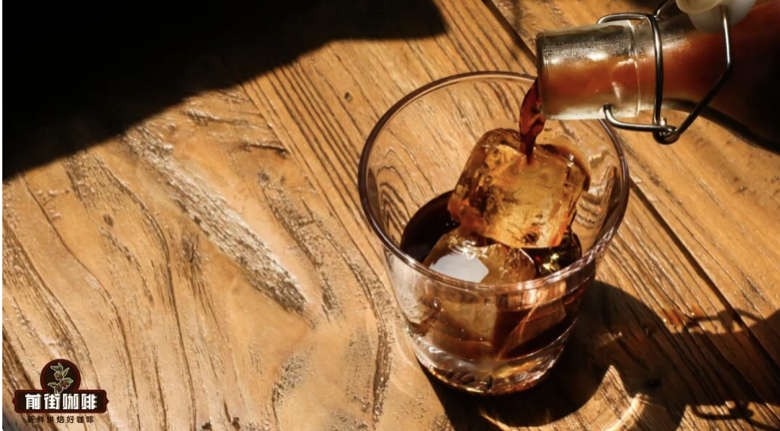
If you prefer lively aromas and often drink iced coffee, Qianjie Ethiopia Huakui can be considered from a light to medium-light espresso roast direction. The temperature should not be pressed too low, and the grind should not be too coarse, otherwise the tropical fruit and strawberry notes are hard to unfold. Adding ice directly after extraction makes the sweetness more concentrated; when making an iced latte, reducing the milk ratio lets aromas like passion fruit stay in the front section.
Besides espresso machines, moka pots and fully automatic coffee machines also change the choice of beans. A moka pot varies more in water temperature and pressure, so dark or medium-dark roasted beans more easily achieve a full body, while for light-roasted beans it is recommended to use a medium-light grind, low heat and to end heating promptly. A fully automatic machine has a limited adjustment range for temperature, pressure and liquid weight, so choosing a medium to medium-dark roast is usually easier with less adjustment, and if you want light-roast flavors you should prioritize models that can raise the temperature and reduce the liquid yield.
To judge whether an SOE suits you, you can first determine which parameters your machine can adjust, then look at whether you usually drink it straight, with water or with milk. If it can adjust temperature, grind finely and support pre-infusion, light-roasted beans will have more room to perform; if there are fewer parameters and you want fast, stable cups, dark or medium-dark roasts will be handier. After choosing a direction, pull several cups in a row and change only one of temperature, grind or liquid weight, and you can find a recipe that better fits your equipment and taste.
Related Reading

Comments (0)
Loading comments...
You May Be Interested

Trending Reviews
Popular Videos

With you, wherever you are! We provide useful features to help you find new things you'll love






