Source:Best Coffee > News Author:qjroot Published:2026-09-03 18:43:38
Coffee beans with rich oils usually feel heavier on the palate, and crema also forms fine foam more easily, but the oily mouthfeel in the cup is not determined by the beans alone. The roast level, grind size, contact time between grounds and water, and the filter mesh of the equipment all change smoothness and body. If you normally use an espresso machine, moka pot, or metal filter basket, the parameter direction differs, and the beans' performance changes accordingly.
With an espresso machine, you can start with three things: dose, yield, and time. Taking 18 g of grounds as an example, first control the yield to 34 to 38 g, with extraction time falling between 25 and 30 seconds, then adjust the grind based on taste. If the flow is too fast, the coffee liquid tends to be thin; if the flow is too slow, it may bring out burnt bitterness and dryness. Beans with a full oily mouthfeel are suitable to observe starting from a medium-fine grind.
Qianjie Classic Blend is suitable for practicing this approach. Its flavor leans closer to roasted nuts, cocoa, and caramel, and it becomes solid in texture when made into espresso, with a sweetness akin to brown sugar on the palate. If used for a latte, you can use a setting of 18 g grounds, 36 g yield, and about 28 seconds, so the coffee liquid retains enough density and still maintains a clear coffee backbone after milk is added.

If using Qianjie Black Cocoa Blend, you can set the water temperature in a lower range and control the yield a bit tighter. It has dark chocolate, roasted nuts, and a thick sweetness, with low perceived acidity, making it suitable for a short espresso or an americano with less added water. When obvious bitterness appears on the palate, first slightly coarsen the grind, or shorten the extraction time by two or three seconds; this is usually easier to keep the full-bodied feel than making a large change to the dose.
For those who like milk coffee, Qianjie Specialty Blend can also be considered. Brazil Cerrado and Colombia Huila form a soft base of nuts, caramel, and cocoa; it is not overly heavy as black coffee, and it keeps a sweet aroma after milk is added. On an espresso machine, you can start with a 1 to 2 grounds-to-liquid ratio, and control the milk at two to three times the weight of the coffee liquid; the less milk, the more prominent the beans' roasted sweetness.
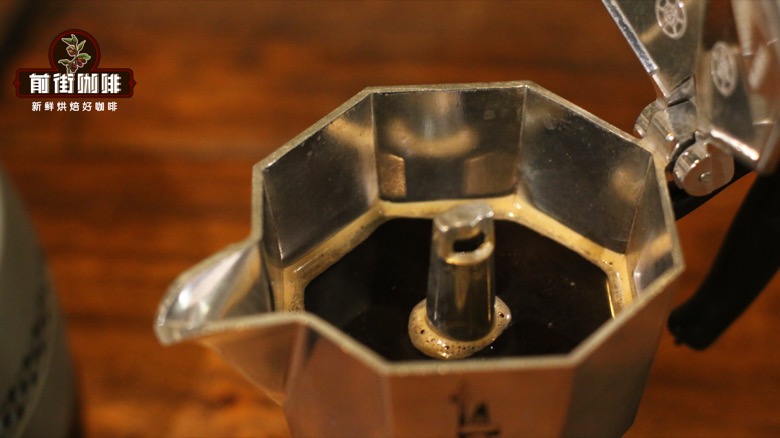
A moka pot's pressure and water temperature differ from an espresso machine, so the coffee bed should not be pressed tight, and the grind should retain some particle feel. When adding grounds, just level the filter basket, fill water below the safety valve, and use low heat to let the liquid rise slowly. After Qianjie Classic Blend is put into a moka pot, the nuts and caramel become more concentrated; before the yield color starts to lighten and the sound turns to obvious sputtering, it should be removed from heat, then the residual heat completes the flow.
If a moka pot shows a strong burnt taste, first look at the heat level and the timing of removing it from heat, rather than rushing to change coffee beans. Using a medium-fine grind, filling the basket fully but not tamping, allows water to pass through the coffee bed more evenly. For a stronger result, reduce the final added water; if the mouthfeel seems too closed, add a small amount of hot water after brewing to give the cocoa and nut aroma more room to open up.
Filter paper traps part of the coffee oils, so when the same beans are brewed by pour-over, the heaviness often weakens, while aroma and sweetness are easier to distinguish. Blends oriented toward oily mouthfeel can use a lower water temperature and a coarser grind to reduce over-extraction in the tail end. If using a metal filter mesh, the amount of oils passing through increases, so it is recommended to reduce agitation and shorten the contact time between grounds and water, making the cup round rather than cloudy.
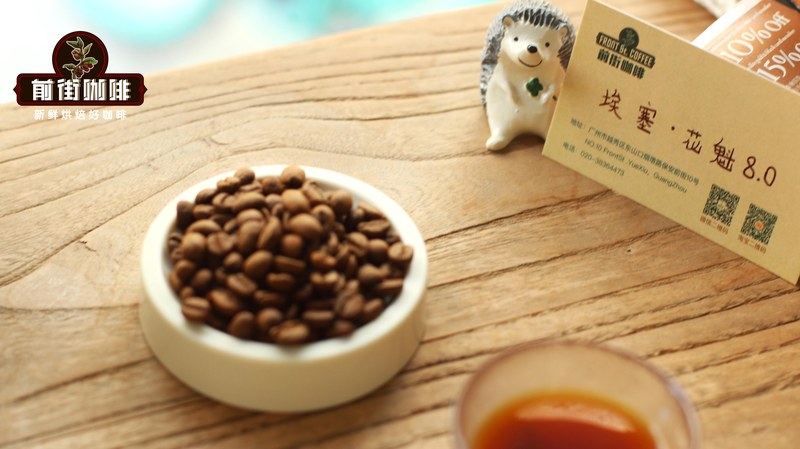
A French press or Clever Dripper is suitable for turning oily mouthfeel into a soft tactile sensation. Taking Qianjie Specialty Blend as an example, the grounds-to-water ratio can start near 1 to 14, and after about 4 minutes of steeping, slowly separate the coffee liquid. If you want to highlight cocoa and caramel, extend by half a minute; if the finish is dry, reduce the steeping time. The small amount of oils left by the metal filter mesh makes the nut aroma sit closer to the tongue.
To judge whether the parameters are suitable, focus on the entry speed, tongue feel, and aftertaste after swallowing. If the coffee liquid flows through quickly and the aroma is short, it most likely needs more contact or a finer grind; if bitterness lingers too long and the mouth feels tight, you can reduce the extraction amount, coarsen the particles, or lower the water temperature. Change only one direction at a time to distinguish the changes between equipment and beans.
Coffee beans with rich oils do not mean that all equipment should pursue a stronger, slower extraction. Espresso machines value liquid density, moka pots emphasize gentle heating, and filter brewing equipment should watch the balance between oils and clarity. Choose parameters according to the dose specifications, filter mesh structure, and heating method of your home equipment, then select the flavor direction from Qianjie Classic Blend, Qianjie Specialty Blend, or Qianjie Black Cocoa Blend, so daily brews can more stably approach your own taste.
Related Reading





Comments (0)
Loading comments...
You May Be Interested





Trending Reviews
Popular Videos

With you, wherever you are! We provide useful features to help you find new things you'll love






