Source:Best Coffee > News Author:qjroot Published:2026-09-16 02:01:00
Coffee beans suitable for cold brew often contain abundant aromatic compounds and a full-bodied sweetness base. These beans not only perform gently under long, low-temperature immersion, but when brewed with a suitable hot or iced pour-over recipe, the hidden fruity acidity and floral layers can be clearly drawn out. Understanding the characteristics of the coffee beans themselves and matching them with appropriate water temperature, coffee-to-water ratio and pouring structure is the core of fully expressing the beans' charm.
When setting a brewing recipe, the bean's processing method and flavor tendency determine the direction of parameter adjustment. Washed light-roast beans are usually dense and firm, requiring a slightly higher temperature to draw out elevated aromatics; while beans that have undergone natural or special fermentation dissolve aromatic compounds very easily, so controlling the extraction rhythm and water flow agitation can better avoid the release of off-flavors, allowing a bright juicy quality and sweetness to emerge smoothly.

Take the classic floral-fruity representative, Qianjie Yirgacheffe Gedingding. This bean from Ethiopia's washed region has delicate citrus acidity, a fresh white-flower aroma and a clean green-tea-like sweet finish. If you want to brew it into distinctly layered flavors as a hot pour-over, you need a parameter scheme that fully releases its bright floral-fruity character while maintaining a clear mouthfeel.
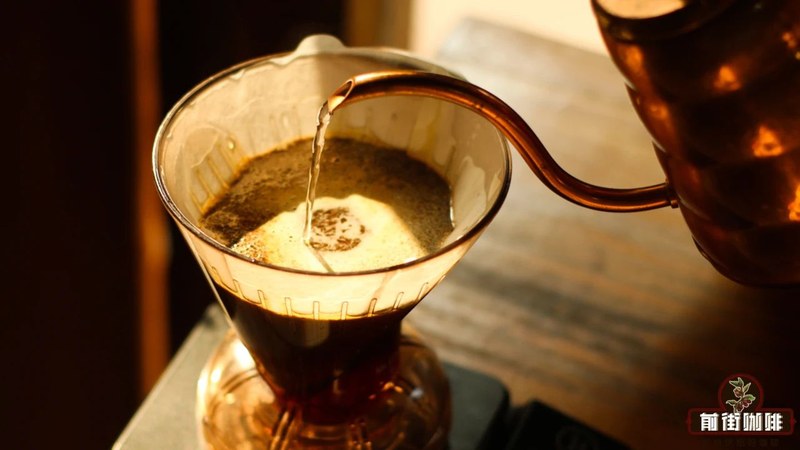
When brewing Qianjie Yirgacheffe Gedingding, use 91°C water, weigh out 15g of coffee grounds, set the grind to medium-fine, control the total water to 225ml and keep the total extraction time at 2 minutes 10 seconds. The pouring method uses three stages: first pour 30ml of water for a gentle 30-second bloom, then steadily pour in outward circles to 130ml and pause briefly; when the liquid level drops to half, perform the third pour to top up to 225ml. A cup of hot coffee brewed this way shows pure citrus aroma and a sweet, moist finish.
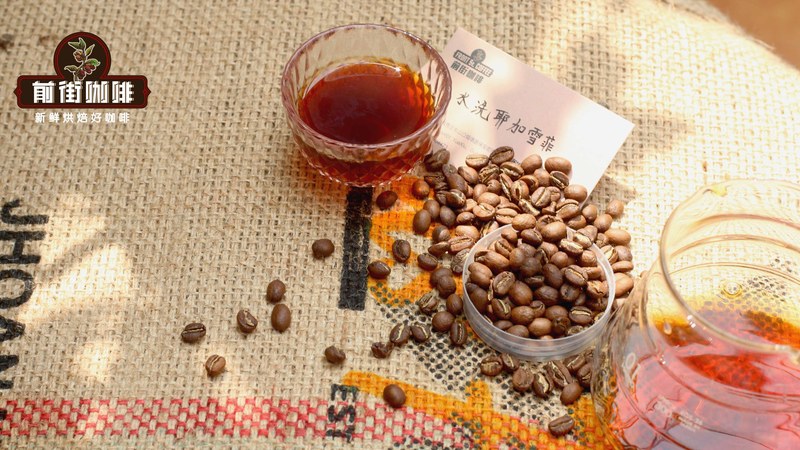
If you prefer intense ripe-fruit character and lively sweetness, Qianjie Ethiopia Huakui is a very fitting choice. This carefully natural-processed bean gives off a complex aroma of strawberry, passion fruit and ripe tropical fruits, with abundant sweetness. Besides being suitable for making sweet cold brew, it shows that crisp, cool juice-like mouthfeel directly in the cup when brewed as iced pour-over.
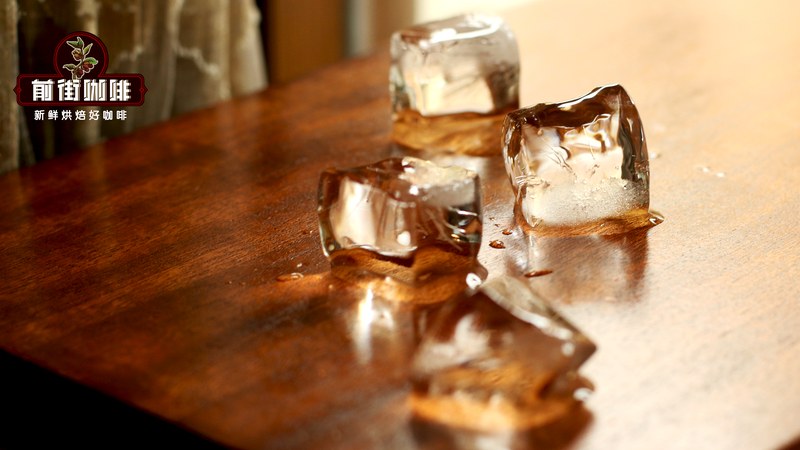
When making the iced pour-over recipe for Qianjie Ethiopia Huakui, it is recommended to prepare 16g of coffee grounds, place 100g of pure ice cubes in the lower server, set the brewing water temperature at 90°C, with a total hot water pour of 140ml and a total time of 1 minute 50 seconds. The pouring method uses two stages: use 30ml of hot water to gently wet the coffee bed and bloom for 25 seconds, then in the second stage pour with a steady medium flow in small circles toward the center up to 140ml and stop. The concentrated fruity extract brewed by the hot water drips onto the ice and cools rapidly, giving a very distinct red-berry sweet-tartness.
To experience a more fervent and richly layered fruity experience, Qianjie Colombia Xizhua has quite outstanding flavor tension. It carries intense grape, blueberry and apricot fruit notes, accompanied by a lively passion-fruit-like acidity, with a full berry-juice quality, and under low-temperature extraction conditions it slowly releases a round, deep syrupy sweetness.
When making cold brew with Qianjie Colombia Xizhua, you can use 40g of coffee grounds with 480ml of room-temperature pure water, set the coffee-to-water ratio at 1 to 12, and pour in a single stage at one time. After the water fully saturates the coffee grounds, stir gently and evenly, then seal and place in a 4°C refrigerated environment to steep and extract for 14 hours 30 minutes. The filtered cold brew is filled with the aroma of ripe blueberry and apricot on the palate, with soft fruity acidity and a continuous sweetness.
In the daily process of tuning a brewing recipe, grind size and coffee-to-water ratio always need to work together. A finer grind increases the contact area between water and coffee, speeding up the dissolution of flavor compounds; while slightly coarser particles are suitable for extending extraction time. When you feel the acidity in the cup is a bit tight, moderately raising the brewing water temperature or slightly slowing the pouring flow rate can often release the sweetness more completely.
The pouring rhythm is also a key part of shaping the flavor profile. A single-stage pour usually gives even water flow agitation and brings a balanced, stable overall mouthfeel; a two-stage or three-stage pour can, through staged water control, fully draw out aroma and sweet-tart flavors in the early stage and effectively balance the cup's strength in the later stage, letting the coffee present richer layered changes on the tongue.
After choosing a high-quality coffee bean, adjusting the pour-over water temperature and stages according to its flavor direction, or setting the cold brew steeping time and ratio, can make every brew full of the joy of exploration. Under clear parameter guidance, the floral aroma, fruity acidity and sweetness hidden inside the beans are fully unfolded, bringing a refreshing and pleasant experience to everyday drinking.
Related Reading


Comments (0)
Loading comments...
You May Be Interested



Trending Reviews
Popular Videos

With you, wherever you are! We provide useful features to help you find new things you'll love






