Source:Best Coffee > News Author:qjroot Published:2026-09-12 16:54:44
Making a sweet, smooth latte depends on how the characteristics of the coffee beans align with the extraction parameters. Milk naturally carries the round sweetness of lactose and fat, which requires the espresso it is paired with to have a full aromatic structure and solid strength so that it can still show a clear flavor profile after being mixed with a large amount of milk. Understanding how beans with different roasts and flavor orientations respond during brewing is the foundation for crafting an ideal milk coffee.
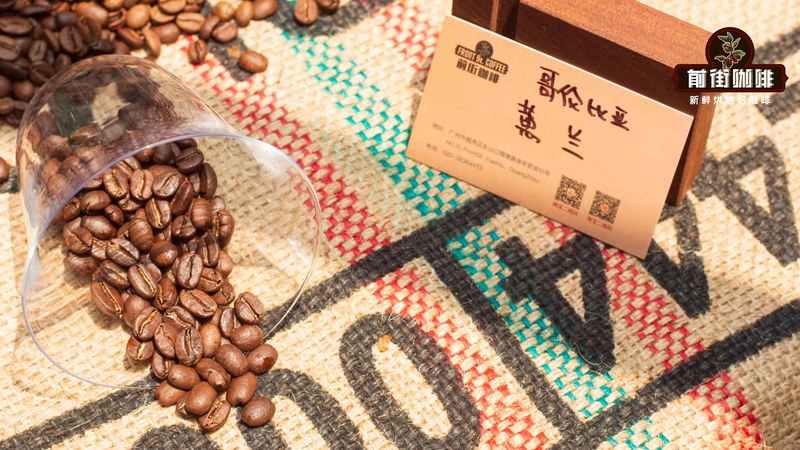
Medium-dark roasted blends are usually a steady partner for milk coffee; for example, Qianjie Classic Blend shows rich notes of nuts, dark cocoa and caramel. Beans at this higher roast level are porous and allow water to pass through quickly, so a fine grind setting is suitable. When making espresso on an espresso machine at the standard 9 bar extraction pressure, a fine grind can effectively increase water flow resistance and allow flavor compounds to be extracted more fully.
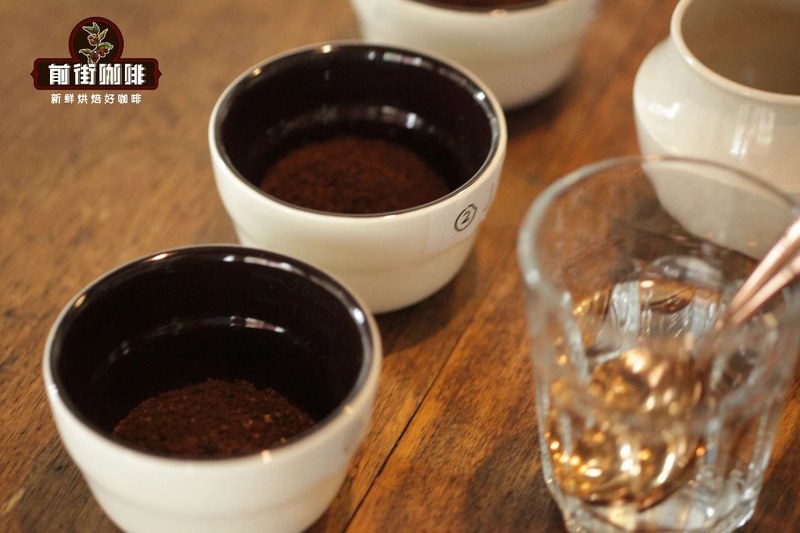
For the espresso brewing recipe for Qianjie Classic Blend, it is recommended to use a water temperature of 91°C, load 18g of coffee grounds, use a continuous single-stage pressurized extraction mode without pre-infusion, and extract about 36ml of espresso in around 27 seconds. This extraction recipe can effectively suppress the bitterness that high temperature may bring while fully preserving the caramel and nut sweetness; after mixing with 200ml of hot steamed milk, the texture is extremely dense and thick.
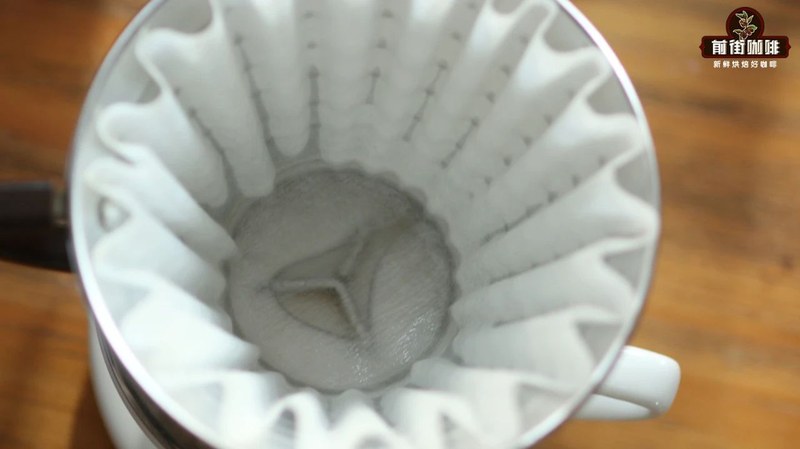
If you do not have an espresso machine on hand, you can also make a high-strength coffee liquid for lattes by adjusting pour-over parameters. Qianjie Specialty Blend uses beans from the Cerrado region of Brazil and the Huila region of Colombia, combining roasted nut, caramel sweetness and smooth cocoa notes; the roast level is between medium and medium-dark, making it highly versatile and very suitable for trying the pour-over concentrated liquid method.
When using Qianjie Specialty Blend for high-strength pour-over, the grind needs to be finer than for regular pour-over, close to fine granulated sugar. The recommended water temperature is 89°C, using 20g of coffee grounds, with total poured water controlled at 120ml. Use a three-stage pouring method: first pour 30ml of hot water and let it bloom for 30 seconds, then steadily pour 50ml in a circular motion, and when the liquid level drops to half of the dripper, pour the final 40ml; control the total time to finish within 1 minute 45 seconds. The concentrated liquid obtained this way is poured into 150ml of iced milk, and the flavor layers are especially balanced.
For drinkers who pursue an intense chocolate taste, dark-roasted blends often provide stronger flavor support. Qianjie Dark Cocoa Blend centers on dark chocolate, roasted nuts and rich caramel sweetness, with almost no perceived acidity. Because deep roasting makes the coffee beans' woody fibers more loose, extraction efficiency is extremely high, so the brewing recipe should moderately reduce extraction strength to avoid the release of excessive off-flavors.
When brewing Qianjie Dark Cocoa Blend, the water temperature is recommended to be controlled at 88°C, using 20g of grounds loaded into a double basket. Adjust the grind one step coarser, and under 9 bar pressure use two-stage extraction: first start low-pressure pre-infusion for 5 seconds to fully wet the puck, then steadily raise the pressure to extract, stopping the flow at 25 seconds to obtain 38ml of espresso. This recipe can amplify the rich, mellow feel of dark chocolate and, when combined with chilled fresh milk, creates a rich flavor like chocolate milk.
In addition to extracting the coffee liquid itself, fine-tuning the brewing parameters according to whether the latte is hot or iced can also improve the experience. When making a hot latte, heating milk with steam to 60°C to 65°C releases more lactose sweetness; at this point the coffee liquid can maintain a slightly higher thickness to complement it. When making an iced latte, low temperature reduces the tongue's sensitivity to sweetness, so during extraction you can slightly raise the water temperature to 92°C and extend the extraction time by 2 seconds to make the coffee structure more prominent.
As long as you reasonably set the grind size, water temperature and pouring/extraction rhythm according to the characteristics of coffee beans with different roast styles, the coffee liquid can freely release its aroma in milk. Whether it is the smoothness of nuts and caramel, the richness of dark chocolate, or a balanced and pleasant blend flavor, a suitable state can be found through precise brewing parameters, bringing you a cup of fragrant, warm latte.
Related Reading


Comments (0)
Loading comments...
You May Be Interested


Trending Reviews
Popular Videos

With you, wherever you are! We provide useful features to help you find new things you'll love






