Source:Best Coffee > News Author:Best Coffee Published:2025-05-03 14:28:07

What is “specialty” and what is “single origin”?
Throughout the long history of human coffee consumption, most coffee drinkers primarily sought caffeine for its stimulating effects. This usage only began to change in the latter half of the 20th century. As living standards improved and people developed a greater pursuit of lifestyle and taste, coffee evolved from being a mere accompaniment in dietary culture to becoming the star of the show. More and more people drink coffee, and they begin to appreciate it like fine wine. Just as the finest wines are rarely blended with other types, high-quality coffee is brewed using the most meticulous methods and consumed without mixing in spices, sugar, or milk.
The trend of drinking coffee on its own, without food, only became popular in North America and Europe in the early 20th century. Prior to that, coffee was mostly consumed as low-quality instant blends or mixed with milk and various flavorings. Due to this shift in consumer preference, both the supply and demand sides of the industry gradually changed. In the early days, coffee was often named after the export port of its origin, such as Santos from Brazil or Mocha from Yemen. These coffees were shipped to roasting facilities in consuming countries, roasted there, and then distributed to coffee shops of all sizes. However, even coffees from the same export port could vary greatly in quality depending on upstream production standards.
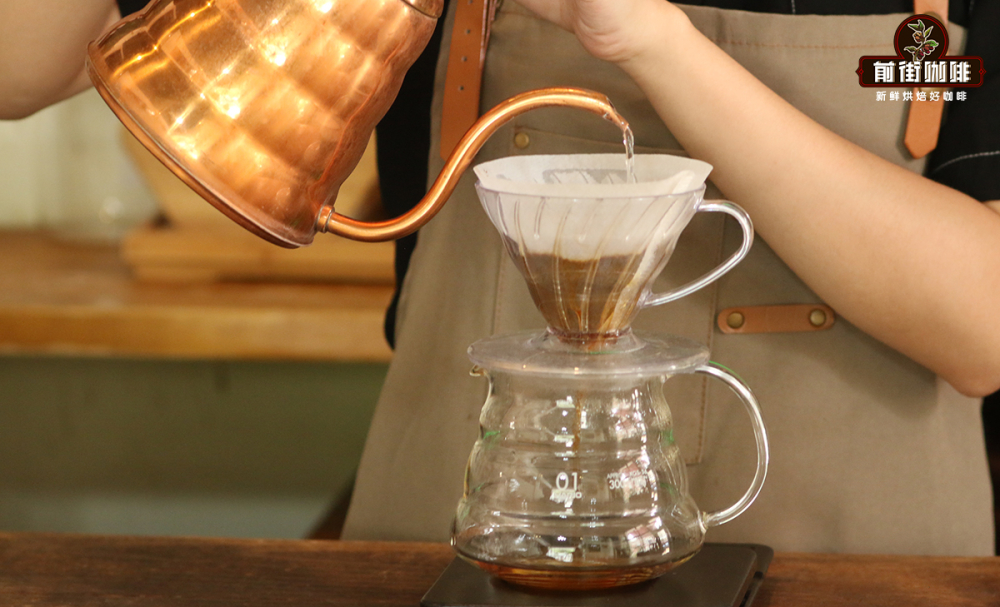
But as consumers’ taste preferences improved, the coffee industry also began to embrace the trend of traceable production histories. From broad categories like country of origin and plantation, to more detailed information such as coffee cooperatives and fruit processing facilities. Transparent production histories help avoid mixing coffee beans of varying quality together. Coffee that comes from a single producing region and is not blended with beans from other areas is called “single origin coffee.” It is also often referred to as specialty coffee, a term used to distinguish it from traditional dark, bitter-tasting coffee.
"https://v3.coffeecdn.cn/uploadfile/ueditor/image/202505/1746253515d31c6a.jpg"
But single-origin coffee can only be quality-screened by region, and doesn't actually select coffee based on quality. Even single-origin coffee varies in quality due to different production conditions. There are 125 million coffee farmers worldwide, and tens of thousands of coffee farms and cooperatives producing coffee—we can't possibly remember the name and quality of every single-origin coffee.
Therefore, single-origin only indicates that the product has a transparent and traceable background, but it is not a guarantee of high-quality coffee. To address the issues that single-origin coffee cannot solve, many coffee enthusiasts began advocating the concept of specialty coffee. 'Specialty coffee' inherits the foundation of single-origin coffee's emphasis on 'production traceability,' highlighting that the coffee-growing environment, like wine estates, is greatly influenced by 'terroir' and 'microclimate.' The definition of specialty coffee also continues to evolve as consumer markets become more discerning and demanding.
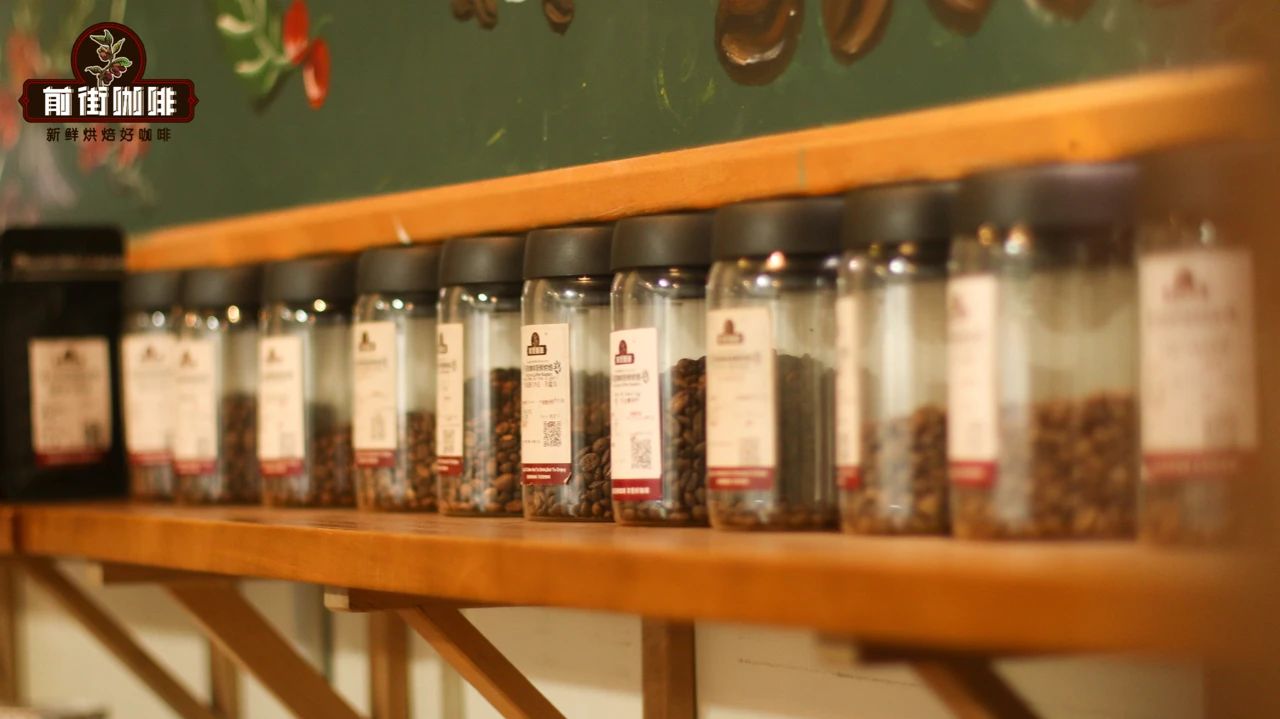
For example, the 1978 definition of specialty coffee was 'coffee beans grown under special climatic and geographical conditions that produce unique flavors.' In 2009, the Specialty Coffee Association of America redefined it as: 'Coffee that scores 80 points or above in cupping is called specialty coffee.'
I. East Africa
Coffee-producing countries in East Africa range from the northernmost Ethiopia and Yemen, to Kenya, Tanzania, and Malawi near the Indian Ocean, inland Uganda, Rwanda, and Burundi, as well as the southernmost Zimbabwe and Zambia. The East African regions are close to the equator with intense sunlight. Although coffee is a tropical crop, excessively high temperatures can lead to widespread pests and diseases. Fortunately, the average altitude of African producing areas is over a thousand meters above sea level on the plateau, which not only protects the coffee from pest threats but also slows down the ripening process of the fruits, resulting in sweet and solid coffee beans.
Countries on the western side of the African continent such as Congo and Ivory Coast also have coffee-growing regions, but they mainly cultivate the pest-resistant "Robusta variety." While this type of coffee is easier to manage, its quality is relatively low. This coffee is usually used as commercial coffee, sold to large transcontinental chain brands to make instant coffee, which is why these West African countries are rarely mentioned in the specialty coffee world.
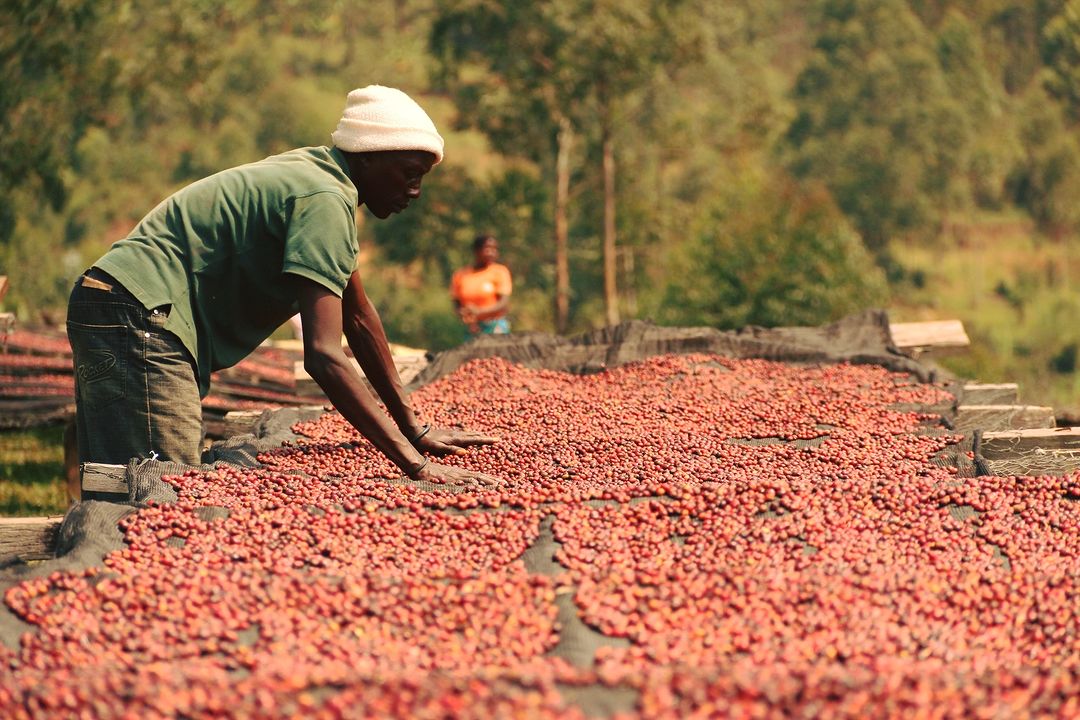
East African coffee gives an impression of vibrancy and intensity, with fruity flavors, floral aromas from blooming plants, strong and layered acidity, and fascinating complexity. Many coffee experts explain this by noting that Africa is the birthplace of coffee, thus preserving a more extensive genetic library of coffee varieties. To this day, there are still hundreds of native coffee varieties yet to be identified and classified. This complex coffee gene pool creates the unique flavor complexity of African producing regions.
II. South Asia
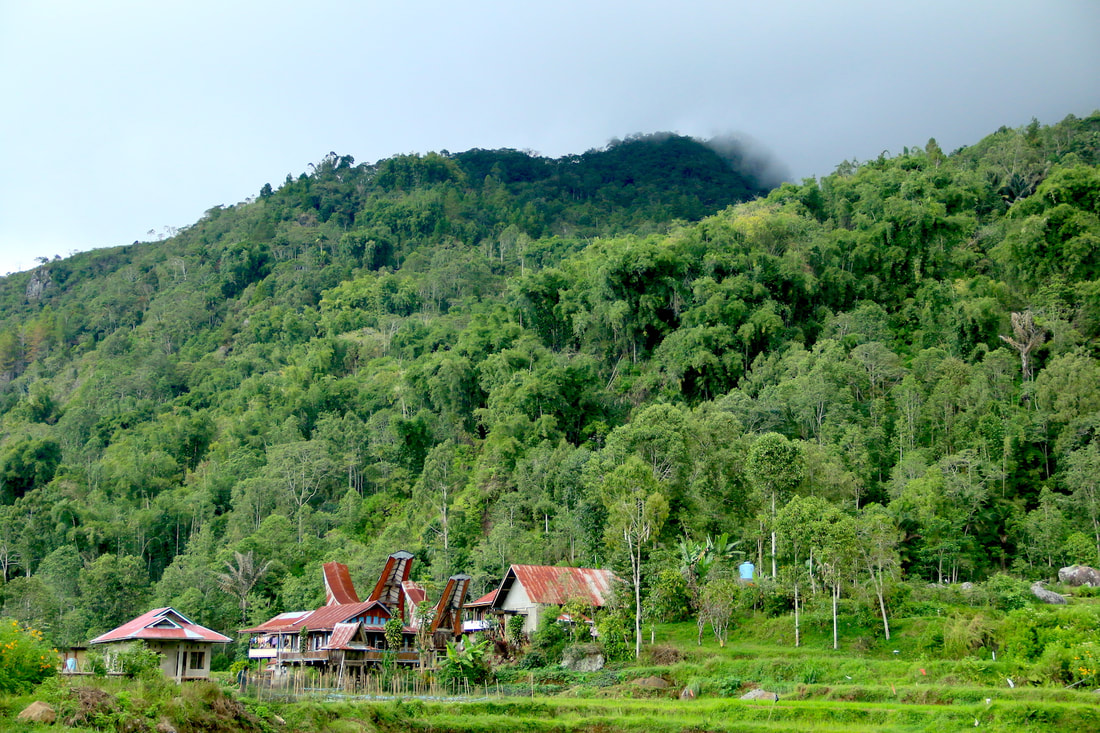
The coffee-producing countries in Asia range from west to east, including India, countries in the Indochina Peninsula, the Indonesian archipelago, and Papua New Guinea. The producing regions here are relatively scattered and each has its own characteristics. The fragmented terrain of the South Asian archipelago results in a lack of unified common characteristics in the overall coffee flavor of South Asia.
Among the many Asian coffees, Indonesia, an island country, produces the most well-known coffee. The characteristics of Indonesian coffee are: low acidity, mild and mellow mouthfeel, with flavors of cedar, spices, and grass. This is partly due to the terroir and climate of the producing region, and partly due to the unique fruit processing method in Indonesia—the "wet hulling" method—that creates its distinctive flavor.
III. Central and South America
There are many coffee-producing countries in the Americas, ranging from Mexico in North America, through Central American countries, all the way to Peru and Bolivia in South America. These coffee-growing countries were often colonies of European nations during the Age of Exploration. To meet the coffee demands of their colonizers, they were forced to grow large quantities of coffee. Even today, these Latin American countries still rely on coffee as an important source of national income.
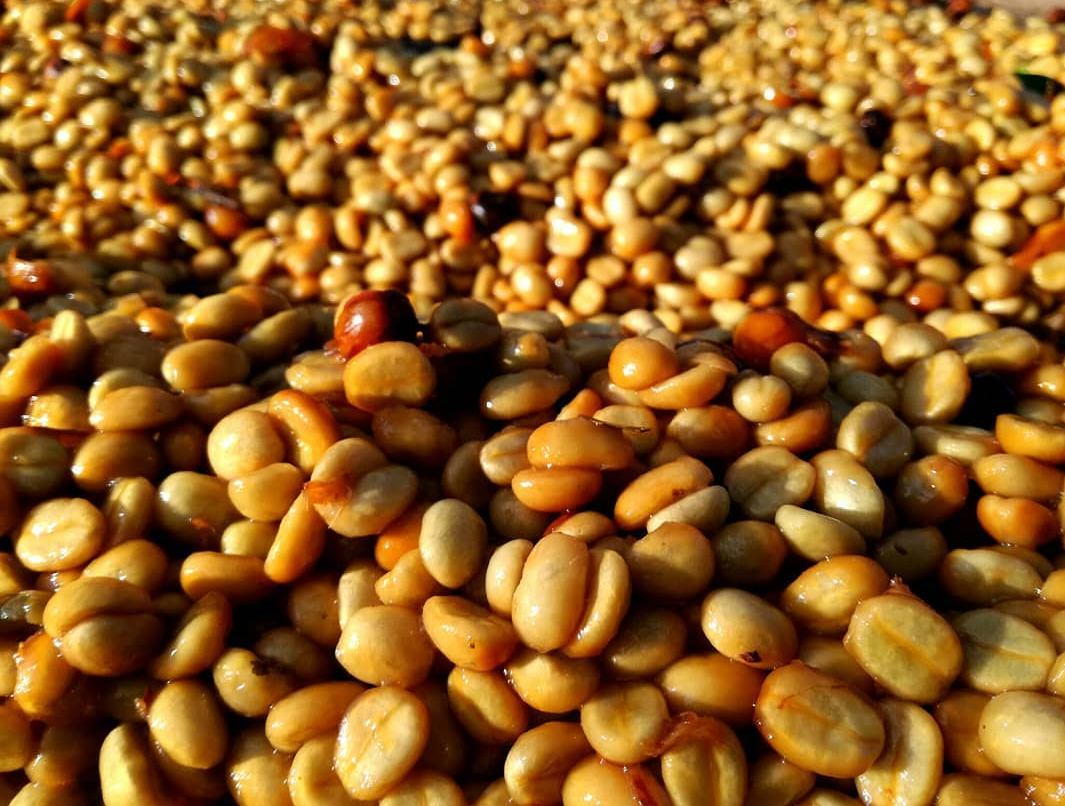
The vast expanse of the American producing regions also results in different flavors in each area. However, unlike the fragmented island terrain of South Asia, the Americas generally have a continuous continental terrain, giving the coffee flavors of this continent some common characteristics. Central America is dominated by volcanic mountains and hilly terrain, where the coffee and volcanic ash soil are deeply connected to the sea breezes of the two oceans. American coffee has good balance and often carries hazelnut and cream-like aromas.
Related Reading




Comments (0)
Loading comments...
You May Be Interested




Trending Reviews
Popular Videos

With you, wherever you are! We provide useful features to help you find new things you'll love






