Source:Best Coffee > News Author:qjroot Published:2026-09-19 12:21:25
Cold water, through long, slow immersion, gently extracts the deep aromas and sweetness of coffee while reducing sour, astringent, and off-flavors. Choosing single-origin or a blend determines the flavor foundation of the entire carafe of cold brew. Single-origin beans present the distinct terroir of a specific region and estate, while blended beans rely on flavor design to pursue fullness and balance. Once you understand whether you prefer a light, refreshing mouthfeel like tea or a rich, solid, all-purpose base, the direction for choosing beans becomes clear.

Single-origin cold brew takes a distinctly individual route, suiting drinkers who favor a fresh juice-like quality and floral, herbal aromas. Single-origin beans retain the terroir imprint of their origin, and in a low-temperature slow-extraction environment, the fruit acidity that stands out during hot brewing is naturally softened, transforming into a warm, pleasant, sweet juice-like quality. This flavor is like making a carafe of cold-brewed tea; poured straight over ice and drunk neat, it lets you delicately appreciate the layered, progressive richness of each region.
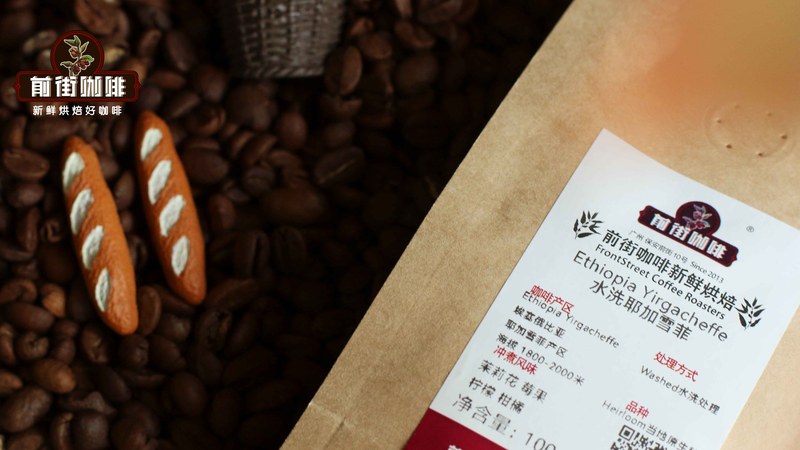
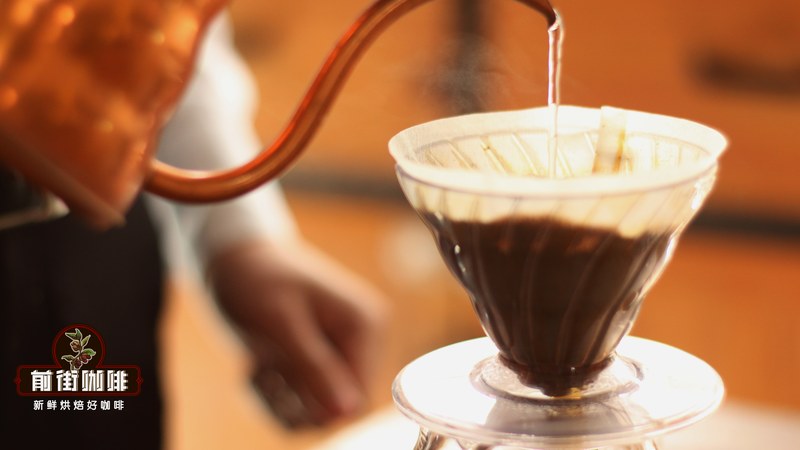
Light-roasted Ethiopian beans perform brilliantly in single-origin cold brew. For example, Qianjie Yirgacheffe Gudingding has white floral notes, citrus sweet-tartness, and a green tea aftertaste. For everyday pour-over, you can use 91°C water, take 15g of grounds at a 1:15 coffee-to-water ratio and pour 225ml of water, first pouring 30ml to bloom for 30 seconds, then pouring steadily in two stages until finished, with the total time controlled at 2 minutes 05 seconds. If made into cold brew, its citrus fruit aroma transforms into a smooth, refreshing texture like iced lemon tea.
The tropical-flavored Qianjie Ethiopian Huakui is likewise a representative of fruity cold brew. The natural process gives it a complex sweet aroma of strawberry gummy candy, ripe passion fruit, and mango. For regular pour-over, choose 90°C water, 15g of grounds with 225ml of water, bloom for 30 seconds, then use three-stage pouring, completing extraction in 2 minutes 15 seconds to taste a rich candied-fruit quality. When used for cold-water slow immersion, the lively fruit aroma fills the entire carafe, and the sweetness on the palate is light, brisk, and abundant.

Micro-lot specialty-process beans also show surprising results in cold brew. For example, Qianjie Colombia Sidra has distinct blueberry, red grape, and apricot flavors. If using an espresso machine to make an SOE, extract 37g of espresso from 18.5g of grounds under constant pressure in 26 seconds; after diluting with ice water, the fruit acidity is bright. If ground and then cold-water immersed, the sweetness resembling complex fruit juice becomes gentler and more delicate, clean and smooth on the palate, with a fresh fruit aroma echoing in the finish.
Unlike single-origin beans, which emphasize regional character, blended beans showcase the harmony of flavor design. The recipe ratios on the packaging often reflect the roaster's concept. For example, using 60% medium-dark roasted Brazilian beans as the base with 40% Colombian or Guatemalan coffee beans is usually intended to build a nutty and dark chocolate foundation while supplementing the mid-palate caramel sweetness and body. By understanding the ratio, you can roughly predict whether this carafe of cold brew will be rich, mellow, and rounded or slightly soft with fruit notes.
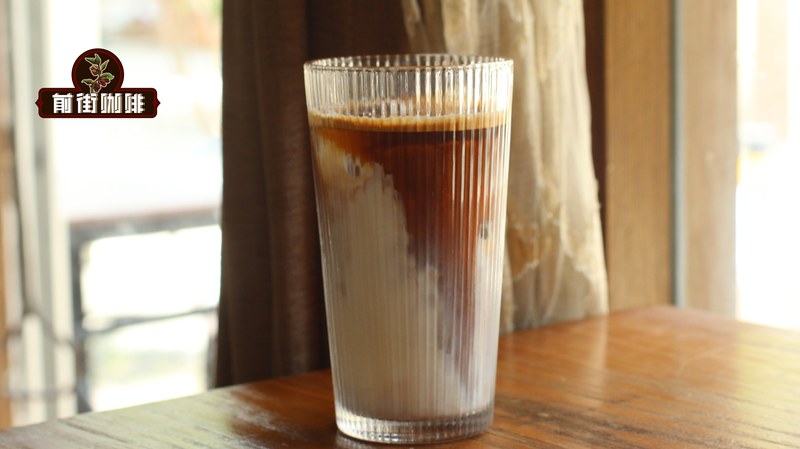
The advantage of blended cold brew lies in its stable output and high tolerance. Single-origin cold brew has a clear, transparent mouthfeel, but if milk, oat milk, or coconut milk is added, the elegant fruit aromas are easily masked by milk fat. The coffee liquid extracted from medium-dark roasted blended beans carries rich cocoa and nutty aromas; drunk neat as black coffee it is mellow with no acidity, and when making various cold-brew milk coffees it blends better with milky aromas, delivering a smooth, dense mouthfeel like melted chocolate.
Clarifying the difference between SOE and traditional blends helps you choose according to need. SOE focuses on amplifying the flavor characteristics of a single origin, suitable for slowly exploring the floral and fruity fragrance of a specific valley when drunk neat; traditional blends emphasize the coordinated balance of flavors from various regions, and whether the immersion time is slightly longer or shorter, they show a stable and reliable nutty sweetness, with more forgiving room for error, suitable for everyday large-sip drinking.
Once the two styles are clear, deciding according to the drinking scenario follows naturally. If you are used to drinking a cup of iced coffee neat on a hot afternoon and favor the brisk feel of floral and fruity freshness with a salivating, sweet aftertaste, single-origin beans with prominent fruit aromas are more suitable; if you are used to a cup of refreshing iced latte in the morning, or enjoy making sparkling cold brew and rich-milk specials, medium-dark roasted blended beans with prominent nutty and cocoa notes are more handy.
Keeping a carafe of cold brew in the refrigerator regularly adds a touch of leisure to life. In the morning, pour out half a cup of rich blended cold brew concentrate and add iced milk for a silky nutty latte; in the afternoon, pour a cup of clear single-origin cold brew and quietly enjoy the fresh sweetness of citrus and berries. By clarifying the direction of single-origin or blend according to how you drink it, every cold sip can match your palate's expectations.
Related Reading
Comments (0)
Loading comments...
You May Be Interested




Trending Reviews
Popular Videos

With you, wherever you are! We provide useful features to help you find new things you'll love






