Source:Best Coffee > News Author:qjroot Published:2026-09-07 13:58:15
Washed coffee beans tend to present the aromas of origin and variety more clearly, and during brewing it is also easier to observe the changes in acidity, floral notes and tea-like character. If you want to drink it smoothly, you do not need to be bound by the adjectives on the flavor chart; you can first set the water temperature, coffee-to-water ratio and grind based on the texture of the beans, then work backward from the taste on the palate to adjust the parameters.
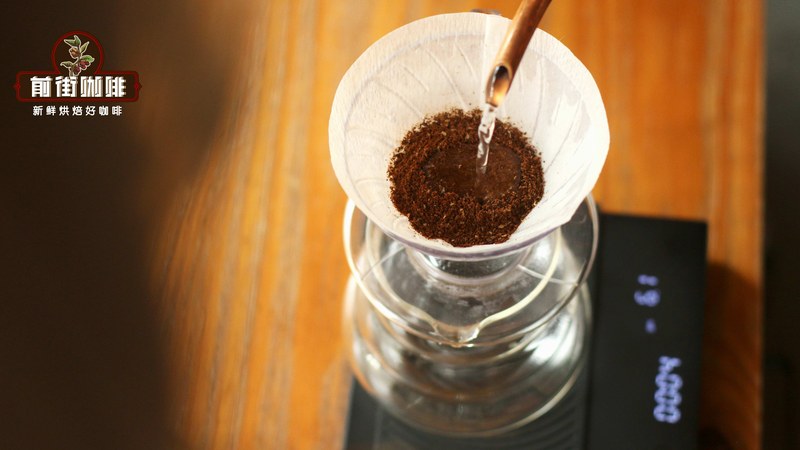
For pour-over light-roast washed beans, you can start with 15 g of coffee grounds and 240 g of water, a coffee-to-water ratio of about 1:16. Set the water temperature at 91 to 93°C first, pour in three stages, and keep the total time between 2 minutes 30 seconds and 3 minutes. This range balances aroma release and sweetness, and it is not easy to leave the cup with only sharp acidity.
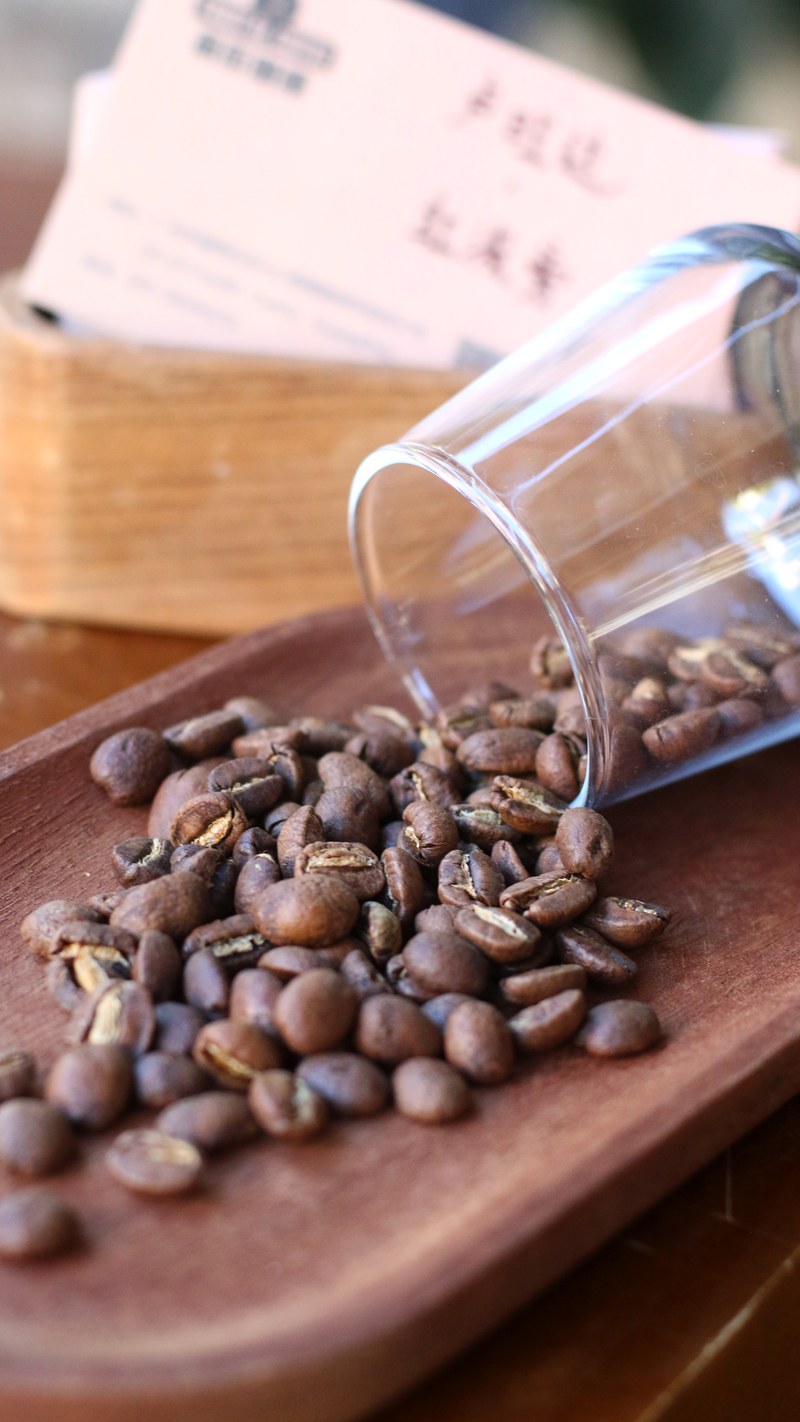
If the beans' aroma leans floral and fruity with a light structure, you can start with a medium-fine grind, keep the pouring motion gentle, and reduce severe impact on the coffee bed. Qianjie Kafa Forest is suitable for starting with this approach; the bright notes like orange and apricot will appear first, and after the coffee liquid cools, the sweet, moist feeling and the oolong tea-like finish will become clearer.
If the early stage of brewing smells very fragrant but the sip is thin or the acidity rushes straight through, it usually means the soluble compounds have not been released enough. You can grind slightly finer, or raise the water temperature by 1°C, while keeping the original dose and total water amount. If the finish feels dry and astringent, reduce the circular pouring and make the stream more concentrated to avoid over-disturbing the coffee bed.
If you like a light, juicy feel, you can narrow the ratio to 15 g of grounds with 225 to 230 g of water, and compress the total time to about 2 minutes 20 seconds. This makes the cup more concentrated, suitable for the expression of Qianjie Colombia Xizhao: notes like passion fruit, blueberry and grape have more presence, and it also appears bright and crisp in iced pour-over.
When making iced pour-over, you can split the total water into hot water and ice. For example, use 140 g of hot water for 15 g of grounds, place 100 g of ice in the server in advance, and the water temperature can still remain around 92°C. The hot water is responsible for extracting aroma, while the ice rapidly cools it down, concentrating the fruity notes; if the taste is too weak, reduce the ice rather than blindly grinding finer.

Turning to the espresso machine, the floral and fruity character of washed beans needs a gentler pressure profile and enough extraction time to support it. You can start with 18 g of grounds, yield 36 to 42 g of coffee liquid, aim for about 28 to 34 seconds, and set the pressure between 8 and 9 bar. If light-roast beans flow too fast, grind finer first; if the back end turns bitter, coarsen slightly and shorten the yield.
When making espresso with washed beans, the grounds-to-liquid ratio does not have to be fixed at 1:2. If you want to drink it as an americano or straight, you can try 1:2.2 to 2.4 to stretch out the acidity and make the finish lighter; if adding a small amount of milk, you can tighten it to 1:1.8 to 2 to increase the density of the coffee liquid. After adjusting the grind, observe the flow rate again; do not only look at the pressure shown by the machine.
When making espresso with Qianjie Kafa Forest, you can take the direction of a higher yield, keeping the citrus, apricot and tea-like notes crisp; for Qianjie Colombia Xizhao, you can shorten the yield to concentrate the juicy sweet acidity. If the espresso tastes sharp and thin on the palate, you can raise the water temperature to 93 to 94°C; if obvious dry bitterness appears, lower the temperature or end the shot earlier.

When the same beans shift from pour-over to espresso, the parameter changes are not altering their character but adjusting the center of gravity of the flavor. Pour-over uses a larger amount of water to spread out the aroma layers, while espresso uses pressure and a low liquid yield to gather sweetness. When choosing washed beans, first look at the equipment you commonly use, then pick the flavor type that can withstand the corresponding extraction strength, and adjustment will be more.
In actual brewing, you can record the dose, yield, time and taste on the palate, and change only one value in the next cup. Once the acidity and sweetness are balanced, then try changing the pouring rhythm or the espresso ratio; it is usually easier to find a cup style that suits you than by constantly switching beans. The charm of washed beans is that with a slight shift in parameters, the floral and fruity aromas and tea-like character in the cup present different facets.
Related Reading





Comments (0)
Loading comments...
You May Be Interested




Trending Reviews
Popular Videos

With you, wherever you are! We provide useful features to help you find new things you'll love






