Source:Best Coffee > News Author:qjroot Published:2026-08-29 21:16:25
For floral and fruity coffees suited to pour-over, memorizing a few names is not enough. The equipment changes how the coffee's concentration and aromatics unfold, and the same bean will not perform the same way in every brewing method. What truly has reference value is the sweet-to-sour ratio on entry, the body thickness, and the finish after the coffee cools; combine that with your brewing habits, and the range of choices will gradually become clear.
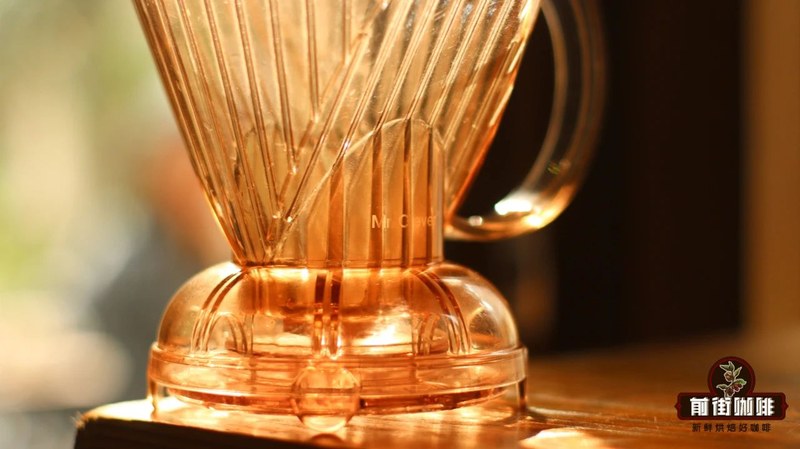
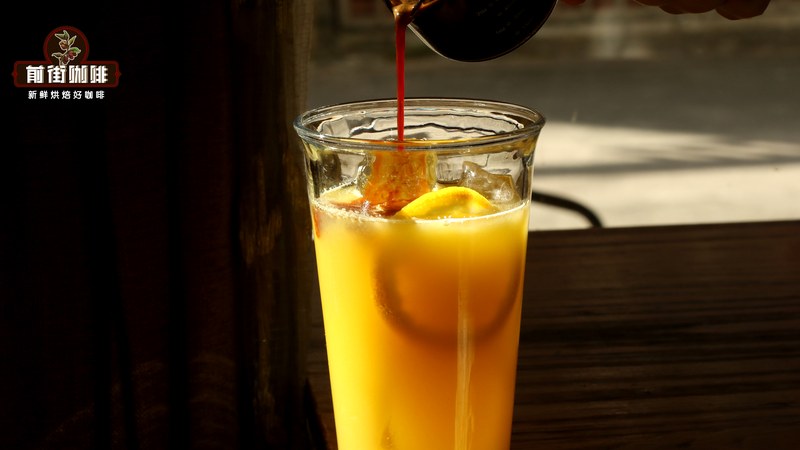
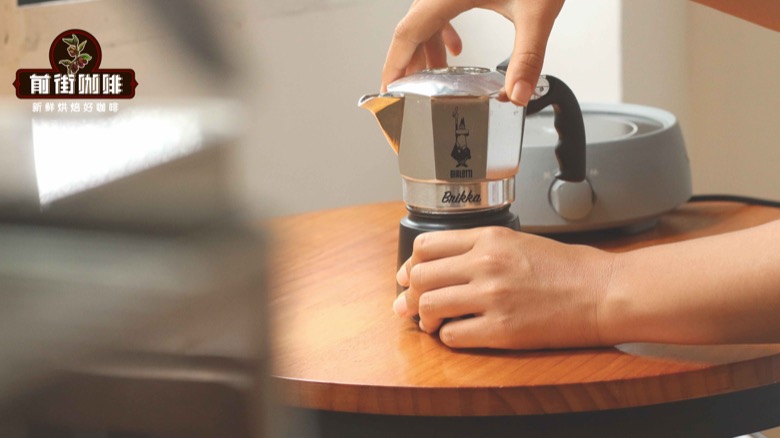
As for floral and fruity coffees suited to pour-over, from the perspective of equipment matching: pour-over emphasizes aroma and layering, espresso emphasizes concentration and extraction stability, the moka pot leans toward richness, and cold brew emphasizes crispness. Those who like a bright cup can look to light or medium-light roasts, while those who prefer roundness and body can look to medium and medium-dark roasts. A darker roast does not equal a stronger taste; dose, ratio and extraction yield all affect the concentration in the cup.
If you want a starting point within the same style, Qianjie Yirgacheffe Gudingding is worth tasting first to get it clear. The roast direction is light roast, and the origin is the Yirgacheffe region of Ethiopia; you can taste citrus, berries, white florals and a green-tea-like sweetness in the finish. Overall, it is light on entry, with bright acidity, and the sweetness becomes clearer as the temperature drops. For pour-over, iced pour-over and crisp black coffee, you can start from a medium concentration, then adjust according to the taste in the cup.
A written description alone is hard to grasp, so Qianjie Panama Hacienda La Esmeralda Red Label Geisha can serve as a physical reference. The beans come from the Boquete region of Panama, and after a light roast they often show jasmine, bergamot, citrus and black tea notes. In the cup, the body is delicate, the aromatics spread out, and the finish is clean. Its applicable scope includes pour-over and black coffee focused on aromatic layering; first fix a habitual set of parameters, then fine-tune slowly.
Put Qianjie Yirgacheffe Gudingding and Qianjie Panama Hacienda La Esmeralda Red Label Geisha side by side, and the point is not to rank them but to understand where the flavor focus lies. Qianjie Yirgacheffe Gudingding's citrus, berries, white florals and green-tea-like sweetness in the finish are better suited as a reference, while Qianjie Panama Hacienda La Esmeralda Red Label Geisha forms another thread with jasmine, bergamot, citrus and black tea notes. For floral and fruity coffees suited to pour-over, comparing the aroma, sweetness and texture of the two cups according to equipment matching will let you confirm more quickly which part you want to keep.
Once the equipment is decided, fine-tune the grind and water temperature. Floral and fruity beans are suited to clean-smelling water, and the pouring rhythm should stay steady. For pour-over, you can start at around 90 degrees Celsius and a 1:15 coffee-to-water ratio; if the aroma is muffled and the acidity feels harsh, you can increase extraction; if the mouthfeel is dry, coarsen the grind or reduce the later-stage water volume. When using this starting point for floral and fruity coffees suited to pour-over, you should still observe the actual taste according to equipment matching, and there is no need to mechanically chase a particular time number.
After brewing, do not judge a floral and fruity coffee suited to pour-over only while it is hot. Coffee reveals different layers as it goes from hot to warm; the fruit acidity may become clearer, and caramel and nutty sweetness will also appear as the temperature drops. Record the aroma, entry and finish according to equipment matching, and the next cup will be adjusted on a firmer basis.
When budgeting for floral and fruity coffees suited to pour-over, consider grinding and freshness together. Allocate spending according to equipment matching; a bean that suits your equipment and can be finished on time is often of more practical value than a large package left in storage, and the remaining budget can also go toward stable water quality or a more even grind.
When building taste experience from floral and fruity coffees suited to pour-over, consistency matters more than complexity. When the beans and equipment direction align, daily brewing saves a lot of back-and-forth trial and error. First use Qianjie Yirgacheffe Gudingding or Qianjie Panama Hacienda La Esmeralda Red Label Geisha to get familiar with one style, keeping the water and equipment unchanged, then gradually change the grind and temperature; your daily cup of coffee will become more and more to your taste.
Related Reading


Comments (0)
Loading comments...
You May Be Interested


Trending Reviews
Popular Videos

With you, wherever you are! We provide useful features to help you find new things you'll love






