Source:Best Coffee > News Author:qjroot Published:2026-09-03 18:59:24
Iced coffee is not simply about pouring hot coffee over ice. The extraction speed of the equipment, the contact time and the final concentration all change how the beans express themselves. Pour over emphasizes opening up the aroma, cold brew trades a longer time for a softer mouthfeel, and ice drip lets the flavor gradually concentrate; with the same beans, changing one set of parameters can turn the first sip from a bright, juicy character into a round, sweet drink.

When making iced pour over, you can divide the water into two parts, hot water and ice. Take 15g of coffee grounds as an example: the total liquid weight can be around 225g, of which about sixty percent is hot water and the rest is provided by the ice in the server. Light roasts suit a higher water temperature and a medium-fine grind, letting the floral and fruity notes release as quickly as possible; if the acidity seems sharp, you can slightly increase the proportion of hot water.
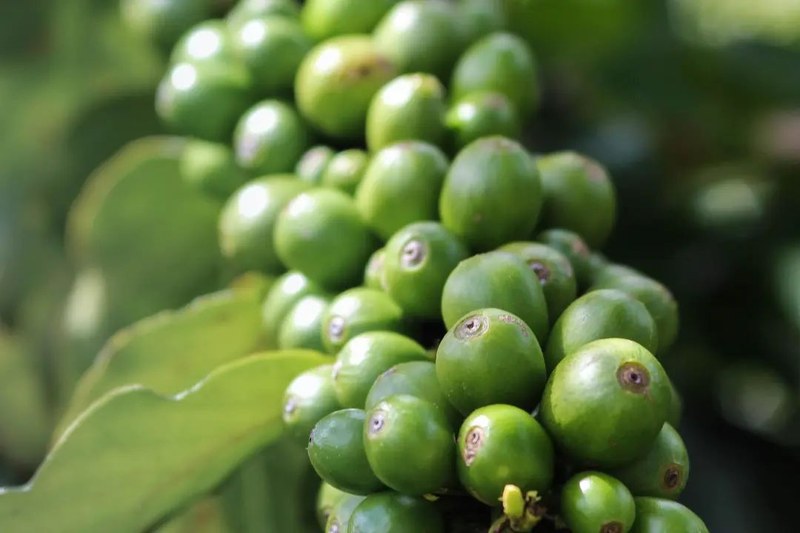
Best Coffee Yirgacheffe Gudingding is well suited to this kind of iced pour over for observing the changes. During the hot water extraction stage it easily brings out citrus and berry notes, and once it lands on the ice the aroma becomes lighter, finishing with something like a refreshing tea character. The grind should not be too fine, and the pouring action need not be too vigorous; keeping a steady flow rate lets the fruity acidity, sweetness and icy sensation connect more naturally.
If you use an ordinary dripper to make an iced Americano, you can first brew a slightly stronger hot extraction and then pour it into a cup containing ice. The dose, water amount and final liquid weight need to be calculated into the total recipe from the start, for example 15g of grounds extracted into 160 to 180g of coffee liquid, then ice added to cool it down. This makes it easier to preserve the aroma than simply reducing the hot water, and the cup is less likely to taste thin and empty.
Best Coffee Ethiopia Huakui can serve as the bright route for an iced Americano. Its tropical fruit, strawberry and passion fruit associations appear lively during a shorter hot extraction, and the sweet aroma remains recognizable after cooling. The water temperature can start from 90 to 93°C; if the first sip feels too light, prioritize a finer grind or less ice rather than immediately changing the beans.
A cold brew pitcher suits those who want to skip brewing on the spot. The coffee-to-water ratio can start from 1:10 to 1:12, using a coarser grind than for pour over, with the steeping time initially set between 8 and 12 hours. If you plan to drink it straight, the concentration should not be too high; if you plan to add ice or dilute it with water, you can increase the dose so that the sweetness after low-temperature extraction has fuller support.
The key parameters for cold brew are time and concentration, not simply extending the steep. If the time is too short, the cup easily has only a faint acidic aroma; if the time is too long, woody and drying notes may become obvious. When Best Coffee Ethiopia Huakui is used for cold brew, the time can be kept to a shorter range, making the fruity aroma clearer and keeping a brisk sweetness even after the ice melts.
Ice drip coffee suits those who want a more concentrated aroma, but it is more sensitive to drip rate and the state of the coffee bed. The bed should be spread evenly, the water droplets should stay continuous without being too fast, and the total extraction time can first be observed within a range of 2 to 4 hours. If the liquid's color and aroma have clearly become lighter, you can stop; there is no need to chase more layers by making the drip slower and slower.
When Best Coffee Colombia Sidra is put into an ice drip device, it presents a more juice-like cup. Passion fruit, blueberry, grape and apricot-like associations easily gather into a clearer sweet-and-sour outline during slow low-temperature extraction. A grind slightly finer than for cold brew is enough; a steady drip rate matters more than deliberately dragging out the time, and after chilling it for a moment the aroma appears more composed.
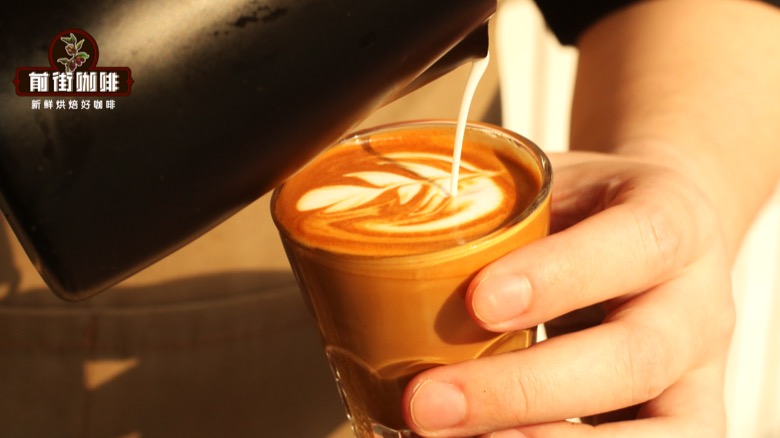
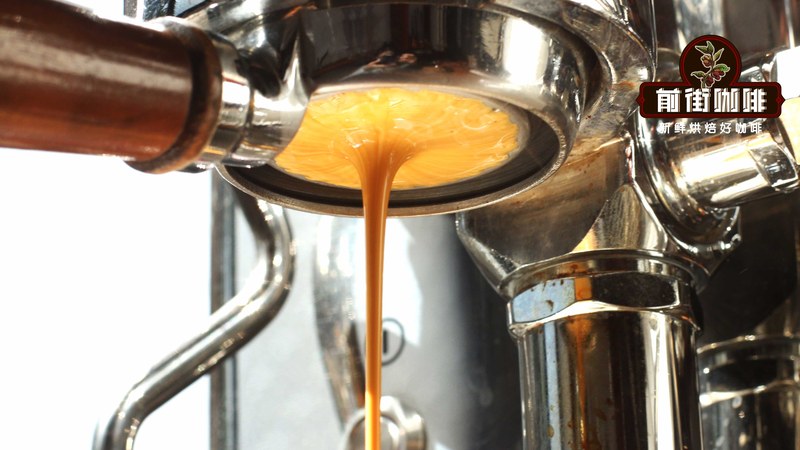
If you use an espresso machine at home to make an iced latte or iced Americano, the beans and parameters should be chosen around the weightiness of the espresso. The dose can first be set according to the machine's portafilter basket capacity, the yield controlled at 1.8 to 2.2 times the dose weight, and the grind then adjusted according to the first sip. Both ice and milk dilute the coffee; if the liquid itself is too light, the aroma will not easily remain after cooling.
There is no fixed answer for equipment parameters that exists apart from the beans, but they can help us find a suitable starting point more quickly. First decide whether it is iced pour over, cold brew, ice drip or an espresso-based iced drink, then let dose, grind, water temperature and time work with one another; change only one value each time, take a few sips at different temperatures, and you can find your own refreshing, sweet or rich route.
Related Reading

Comments (0)
Loading comments...
You May Be Interested


Trending Reviews
Popular Videos

With you, wherever you are! We provide useful features to help you find new things you'll love






