Source:Best Coffee > News Author:qjroot Published:2026-08-30 19:24:35
To reduce caffeine intake, you cannot just look at the words "light roast" or "dark roast" when doing pour-over. What really affects intake is first how much coffee grounds are used per cup, then whether the beans have been decaffeinated, and on top of that grind size, water temperature, contact time and final liquid volume. For ordinary consumers, choosing beans according to equipment parameters is often easier to put into practice than looking only at flavor names.
If you are sensitive to caffeine, when buying beans you can prioritize products whose packaging clearly states decaffeinated, low-caffeine or caffeine-free processing. Different processing methods retain different degrees of aroma and sweetness, and "low-caffeine" should not be understood as completely caffeine-free. If a product has no relevant explanation, it should be treated as ordinary coffee beans, and then intake per serving should be controlled through the amount of grounds and the brewing ratio.
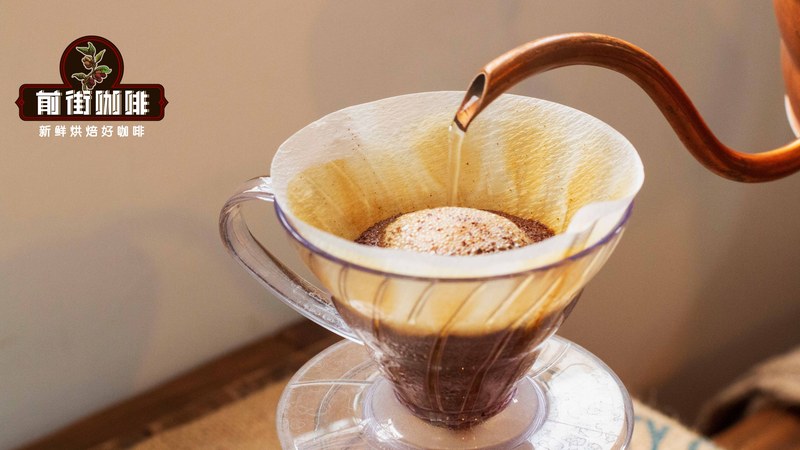
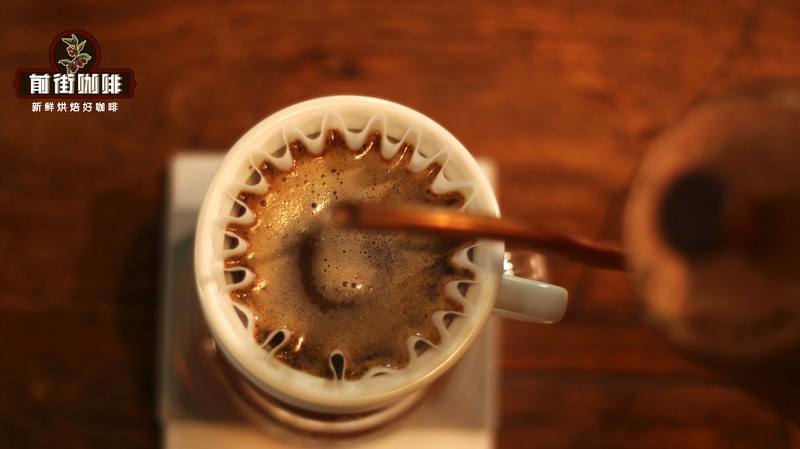
The pour-over equipment itself will not actively reduce the caffeine in the beans, but it will change extraction efficiency. A dripper is suitable for using a smaller dose of grounds with plenty of water to make coffee with clear flavor and a mild strength. You can start with ten grams of coffee grounds and one hundred eighty grams of water, then after brewing add twenty to forty grams of hot water to dilute. This way the first sip will not be too heavy, and it is also easier to keep daily consumption within a comfortable range.
If using a conical dripper, you can choose a medium-fine grind, a water temperature of 88 to 92°C, and a total time of about 2 minutes 30 seconds. The water temperature should not be raised blindly, and there is no need to frequently stir the coffee bed while pouring. Gentler parameters can reduce bitterness and astringency, making it easier to preserve the floral, citrus or tea-like notes of low-caffeine beans. If the first sip is sharp, you can grind slightly finer; if the finish is dry, grind appropriately coarser and reduce circular pouring.
Flat-bottom drippers usually have a more stable flow rate, making them suitable for people who want to reduce brewing fluctuations. Ten grams of grounds can be paired with 170 to 190 grams of water, using two to three staged pours, with total time controlled at around three minutes. For beans that have undergone decaffeination, this kind of gentle and even extraction helps preserve sweetness and avoids woody, burnt-bitter or thin hollow flavors caused by over-extraction.
If you like bright fruity notes, you can look at Qianjie Colombia Sidra. In hot pour-over it easily shows sweet-and-sour aromas like passion fruit, blueberry and grape, and an apricot note makes the body rounder. If you want to reduce intake per serving, you can use 8 to 10 grams of grounds with 180 grams of water, then drink it over ice or with added water after brewing. Iced pour-over can make the juicy quality more prominent, and it is also suitable for an afternoon when you want a refreshing coffee.
If you prefer floral notes and ripe fruit character, you can try Qianjie Granja Estate Geisha. The aroma brought by natural processing is fuller, and the sweet aromas of orange blossom, guava, apricot and berry jam gradually become clearer as the temperature drops. During pour-over, it is recommended to use a lower water temperature and a slightly coarser grind, with the dose controlled at 8 to 10 grams, to avoid increasing caffeine intake in pursuit of strength.
If you prefer a clean, light, tea-like style, Qianjie Panama Hacienda La Esmeralda Red Label Geisha is suitable for brewing slowly in small doses. Its jasmine, bergamot and citrus aromas are relatively delicate, and after cooling it develops a clear sweetness similar to black tea. You can use nine grams of grounds with 160 to 180 grams of water, poured in two stages, preserving the aroma while keeping the whole cup light.
It should be noted that a longer extraction time usually brings out more soluble solids and may also increase the total amount of caffeine entering the cup. Although cold brew and ice drip taste gentle, that does not mean they have less caffeine; if the dose is large and the steep is long, actual intake may still be on the high side. If you want pour-over to move in a low-caffeine direction, it is recommended to first reduce the dose, then adjust drinking strength by adding water or ice, rather than simply extending extraction.
Filter paper, dripper capacity and a digital scale will also affect execution. A small-capacity dripper is better suited to brewing small doses of 8 to 10 grams, a scale can help confirm the actual grounds and water amounts, and a timer makes it easier to keep each contact time similar. Ground beans should be brewed as soon as possible, and the equipment should be kept clean so that you can distinguish the flavor of the decaffeinated beans themselves, rather than being disturbed by residual oils or an unstable flow rate.
For people with a higher need for low caffeine, it is recommended to put a "clear decaffeinated label" ahead of bean selection, and then choose flavors in the floral, fruity, nutty or cocoa direction. When brewing, start with a small dose, moderate water temperature, and short but stable contact time, then adjust by adding water according to strength. In this way you can preserve the aroma changes of pour-over while also making daily coffee intake easier to manage.
Related Reading
Comments (0)
Loading comments...
You May Be Interested

Trending Reviews
Popular Videos

With you, wherever you are! We provide useful features to help you find new things you'll love






