Source:Best Coffee > News Author:qjroot Published:2026-09-19 12:49:25
Walking into a specialty coffee shop or browsing a bean list, the shelves are often neatly divided into two distinct paths: single-origin beans and blended beans. Single-origin beans usually specify a particular country, region, estate, or even processing batch, pursuing the pure individuality bestowed by terroir; blended beans are a roaster's fusion of beans from different origins and processing methods in specific proportions, pursuing complementary flavors and consistency. Neither is superior to the other; they simply satisfy different drinking expectations.
To experience the rich terroir of coffee origins through a dripper, single-origin pour-over is an ideal route. For example, Front Street Kafa Forest from Ethiopia carries the crisp, lively character of native forest coffee. A light roast preserves the sweet-tart notes of fresh orange and ripe apricot, while the mid-palate exudes a soft oolong tea nuance. As the temperature drops slightly, its overall sweetness becomes fuller, and every sip reveals the clean layering unique to a single origin.
When brewing Front Street Kafa Forest, use 91°C water to awaken the floral and fruity aromatics of high-altitude beans. Use 15g of coffee grounds, keep the coffee-to-water ratio at 1:15, pour a total of 225ml of water, and keep the total time at 2 minutes 05 seconds. Use a three-pour method: first pour 30ml of water for a 30-second bloom, then steadily pour 95ml of water into the center while drawing circles outward, and once the liquid level drops to half the height of the dripper stand, pour the final 100ml of water to extract a clear, refreshing tea-like fruit aroma.
If you prefer a fuller, more intense juicy mouthfeel, Front Street Kenya Cherry Tomato is a standout representative among single-origin pour-overs. This bean has an especially lively cherry tomato flavor, accompanied by a subtly tipsy dark plum note and a warm brown sugar finish. The acidity is bright with ample structure, and it leaves a lasting salivation after swallowing. Tasting such single-origin beans is like exploring an origin map directly in the cup; the flavor characteristics are highly recognizable, leaving a clear impression of the local soil and variety.
When brewing Front Street Kenya Cherry Tomato, it is recommended to set the water temperature at 90°C, which fully expresses the berry acidity while maintaining a rounded balance. Weigh 15g of coffee grounds, maintain a 1:15 coffee-to-water ratio, pour a total of 225ml of water, and keep the total time at about 1 minute 55 seconds. Choose a two-pour method: pour 35ml of water for a 30-second bloom, then continuously pour 190ml from the center in even circles until the full amount is reached, allowing the bright fruit acidity to dissolve steadily in a short time, entering the mouth as transparent as fresh juice.
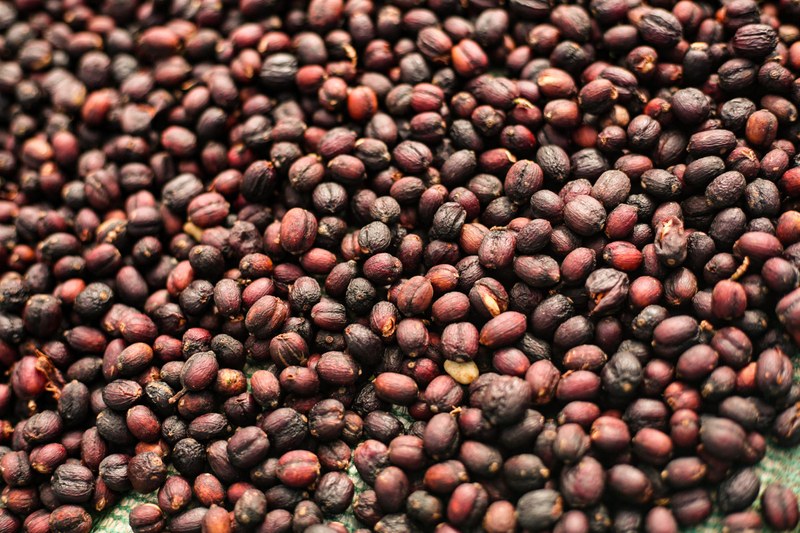
Unlike single-origin beans, which emphasize unique edges, blended beans showcase the art of harmony. The key to reading a blend list is understanding the bean combination and roast emphasis: for example, pairing a citrus-toned washed Ethiopian with a nutty, chocolatey Colombian in proportion can soften and smooth the acidity; adding a natural-process bean will add more ripe berry sweetness in the mid-to-late palate. Each bean in the recipe plays its own role, together building a complete flavor framework.
Using blended beans for pour-over often delivers an extremely stable and balanced daily experience. Because flavors from multiple origins complement each other, blended beans have greater tolerance during extraction and are less likely to become thin or develop off-flavors from slight variations in brewing technique. Brew a pot in the morning or during a work break, and you get a solid cocoa-nut base with a faint waft of soft fruit aroma; the mouthfeel is mellow and smooth, making it very suitable as an everyday companion cup.
After understanding blends and single origins, it also becomes easier to read SOE and traditional espresso blends on cafe menus. SOE means single-origin espresso, often using single-origin beans on an espresso machine to extract 36g of espresso from 18g of grounds at constant pressure in 26 seconds, then adding iced water to make an Americano, with extremely prominent fruit aromas. Traditional blended beans, on the other hand, are better suited to constant-pressure extraction followed by adding steamed milk to make a latte; the deep nutty and caramel sweetness can penetrate the milk foam, bringing a rich, thick, high-milk-fat fusion.
For daily selection, you can decide your route based on your drinking method and time rhythm. If you are rushing out in the morning, or are used to casually brewing a large pot to drink slowly, blended beans with balanced flavor and consistent performance will feel effortless and pleasant; if you have leisure time on the weekend and want to savor the aroma carefully and observe flavor changes at different temperatures, choosing single-origin beans with clear regional characteristics can bring more sensory surprises like exploring a new world.

In your own bean canister, it is worth keeping both a bag of stable, easy-drinking blended beans and a bag of vibrant single-origin beans. When you want something warm and mellow, brew a blend; when you want juicy fruit acidity, choose a single origin. There is no need to rigidly adhere to one fixed form. Once you understand the characteristics of recipe structure and origin individuality, you can calmly brew a properly balanced cup of specialty coffee according to each day's immediate mood.
Related Reading







Comments (0)
Loading comments...
You May Be Interested



Trending Reviews
Popular Videos

With you, wherever you are! We provide useful features to help you find new things you'll love






