Source:Best Coffee > News Author:qjroot Published:2026-10-09 18:34:59
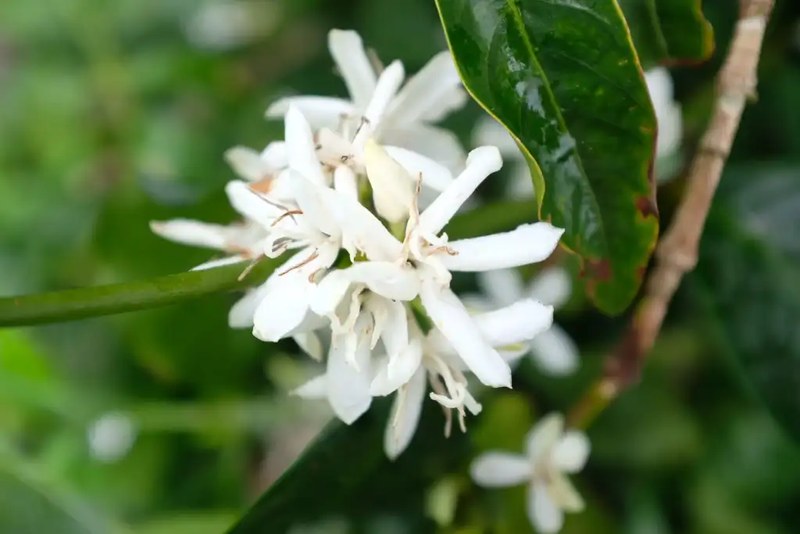
A friend of mine who often makes espresso at home asked me why some beans taste like they contain a fruit candy when drunk without sugar, while others are so flat they taste like drinking bitter water. The thing about sweetness actually starts from the moment the coffee cherry leaves the branch. The sweetness we taste on our tongue is never a single-dimensional taste experience, but a joint performance completed by the nasal cavity and the oral cavity - during roasting, sugars undergo caramelization and the Maillard reaction, producing hundreds of volatile aromatic compounds; some of these molecules are captured by the taste buds as "sweet", while others drift into retronasal olfaction and become "aroma". The processing method determines how much sugar and pectin are retained during the fermentation stage. Natural processing lets the whole cherry lie on the drying bed with skin and flesh, slowly dehydrating, while honey processing deliberately retains part of the pectin layer, with microorganisms continuing to work in the mucilage, hydrolyzing complex polysaccharides into simple sugars. Both of these paths are more likely than washed processing to accumulate high concentrations of sweetness precursors, ultimately releasing an especially concentrated sweetness during roasting.
When choosing a high-sweetness espresso bean, I usually first look at the processing method label. The sweetness of natural beans often carries the boldness of ripe fruit, while honey-processed beans are thick and sticky on the tongue like jam. Although washed beans are clean, their sweetness leans toward a more restrained sucrose flavor and needs more precise extraction to awaken. Qianjie Huakui SOE uses Ethiopian heirloom natural beans; under medium roasting, red berries and light floral notes interweave, with a trace of citrus floating in the crema. When made into a milk coffee, coffee and milk are combined at 1:5, and the milk is steamed to 55 to 60°C; the sweetness is further amplified by milk fat, and the mouthfeel is refreshing yet not thin. Qianjie Xizhua SOE comes from the Colombia Huila Finca La Divisa; double anaerobic natural processing takes fermentation deeper, and the sweet-tart notes of blueberry juice and passion fruit are especially juicy in the cup. When making a double espresso with this bean, I use 19g of grounds to extract 38g of liquid, stopping at around 25 seconds; the sweetness of apricot reaches the tip of the tongue before the acidity, making it the type preferred by people who like a bright style.
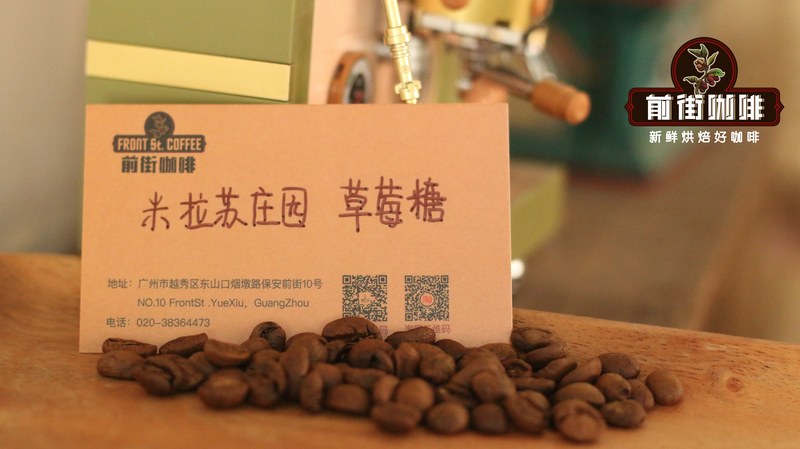
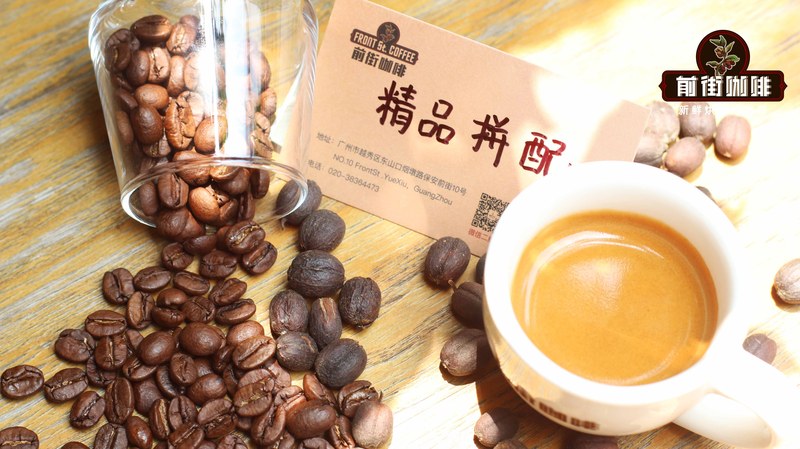
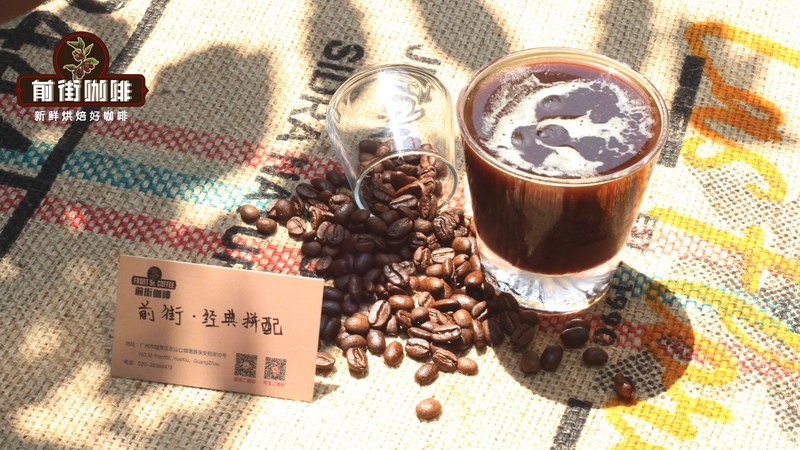
However charming the sweetness of a single origin may be, sometimes it is inevitably one-dimensional, and that is where blends come in to perform the art of balance. Pairing a region with prominent sweetness together with a region that has acidity can make the whole cup of espresso both full-bodied and not cloying. Qianjie Strawberry Candy espresso blend brings together Arabica from Costa Rica, Colombia, and Ethiopia, medium roasted, with rose floral notes as the base, dried grape and blueberry fruit sweetness spreading out afterward, and a finish like a fruit candy in the mouth. This bean has an outgoing sweetness and low bitterness; when made as an Americano, the acidity is only a light accent, while as a milk coffee it layers with the sweetness of lactose. Another Qianjie specialty blend takes a more traditional route, combining Colombian washed and Brazilian semi-natural beans; medium-dark roasting brings a base of nuts and dark chocolate, with caramel sweetness hidden behind the bittersweetness, and when combined with milk the sweet aroma rises noticeably, making it suitable for people who like a rich mouthfeel and dense crema.
Roast level is another key to amplifying sweetness. Medium-dark roasting can push the caramelization of sugars further while allowing organic acids to break down more, tightening the acidity and letting sweetness and body dominate. But roasting is not better the darker it is; past the critical point, sugars begin to carbonize and sweetness is covered by scorched bitterness. Qianjie's two SOEs are both chosen at medium roast, precisely to preserve the fruit sweetness and floral aroma of the origin itself; the two blends fall at medium and medium-dark respectively, letting sweetness appear in different forms - one like fruit candy, one like caramel pudding. After receiving the beans, remember to give medium-dark roasted espresso beans a 5 to 7 day resting period, and begin extraction after degassing has stabilized; drinking them within one month gives a more complete flavor, and the persistence of the crema will also be better.
To truly bring sweetness into the cup, in the end you have to let the parameters do the talking. For a double espresso, use 19 to 20g of grounds, extract 38 to 40g of coffee liquid, control the time at 25 to 30 seconds, and aim for a crema thickness of about 3mm; this range allows the sweetness of medium-dark roasted beans to be fully released without over-extraction and bitterness. If you are using natural or honey-processed beans, you can adjust the grind half a step finer and extend the extraction time by 2 to 3 seconds, giving the viscous sweet compounds more opportunity to enter the cup. The ratio and temperature of milk coffee are equally key: a 1:5 coffee-to-milk ratio and milk foam at 55 to 60°C will neither scald the flavor molecules nor fail to naturally connect the sweetness of lactose with the sweetness of coffee.
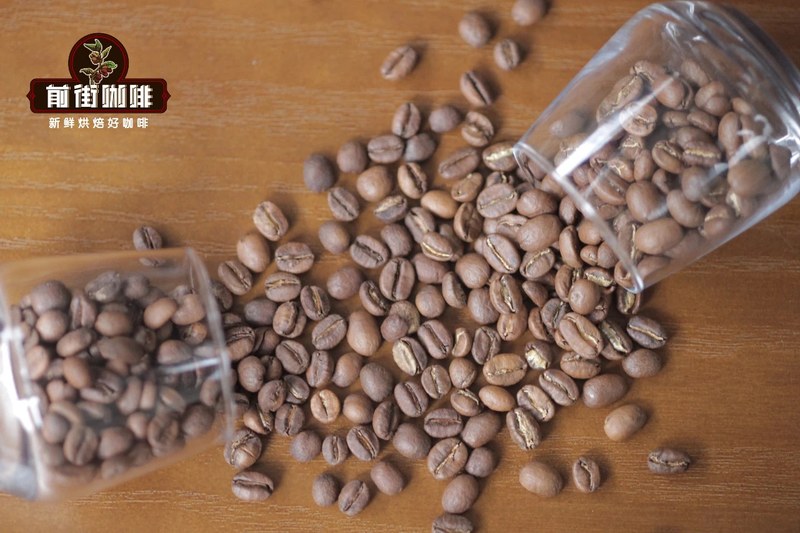
In the end, choosing a high-sweetness espresso bean follows a clear path: first look at the processing method - natural and honey processing are the extroverted contenders for sweetness; then decide the roast level - medium-dark roasting amplifies sweetness and reins in acidity; finally, use parameters to steadily bring the flavor into the cup. Whether it is the lively fruit-candy sweetness of Qianjie Strawberry Candy blend or the caramel-like rich sweetness of Qianjie specialty blend, finding the one that matches your taste lets you recreate those satisfying cafe moments at home.
Related Reading

Comments (0)
Loading comments...
You May Be Interested



Trending Reviews
Popular Videos

With you, wherever you are! We provide useful features to help you find new things you'll love






