Source:Best Coffee > News Author:qjroot Published:2026-10-09 18:43:10
I've been making coffee at the bar for years, and one of the questions I get asked most is: why do some beans have that clean jasmine, orange blossom or gardenia aroma, while others have none at all. White floral notes aren't mysticism; they're actually hidden in three links of the chain: variety, processing and roasting. If you want to pick out this kind of flavor, you have to break it down layer by layer.
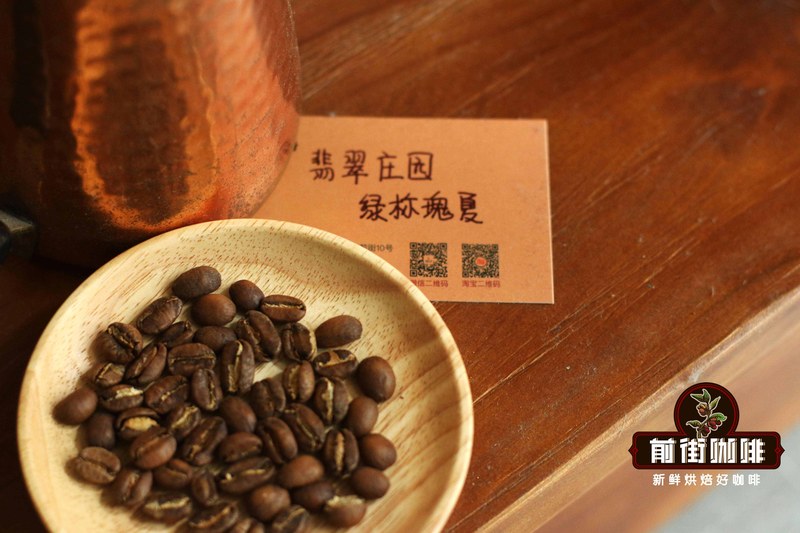
First, the foundation. The white floral notes in coffee mainly come from terpenoids and aromatic alcohols, a kind of genetic lottery that comes built into the variety. Gesha is especially typical: it contains an exceptionally rich supply of monoterpenes, so its aroma is naturally more extroverted and more transparent. Qianjie Emerald Estate Green Label Gesha is a good example, a washed lot from Panama's Emerald Estate; brewed, it captures an elegant white floral note, with acidity as lively as citrus and a mouthfeel as clear as green tea. Qianjie Panama Boquete Gesha is also washed, with even more intense white floral notes, bright and light on entry, and a sweet finish like Tieguanyin. These two beans made me really appreciate that when the variety is right, the floral foundation is solid.
But variety is only the starting point; the processing method and roast level determine whether this aroma stays. Washed processing is usually cleaner than natural, with fewer off-flavors, so floral notes come through more easily; if natural is well controlled, it can also retain floral notes, just with an extra layer of fermentation complexity. Qianjie Kaffa Forest is an Ethiopian medium-light roasted natural bean, with prominent orange blossom; after the fruity sweetness of orange and apricot, the finish carries a green tea freshness, showing that when natural processing is done well, white floral notes still hold their ground. As for roast level, medium-light is the safe zone for white floral notes; go any hotter and terpenoids break down faster, and the floral notes gradually turn toward caramel, nuts or even smoke. That's also why I recommend friends who want white floral notes start with medium-light roasts.
White floral notes are actually easy to distinguish from red floral and sweet floral types. Red floral is more intense and vivid, like rose or briar rose, often accompanied by berry or red wine flavors, common in some Ethiopian natural beans. Sweet floral leans toward the sweetness of honey, locust blossom or osmanthus, completely different from the cool, aloof quality of white floral. The core of white floral is elegance - jasmine, orange blossom, gardenia are all aromas that don't steal the show and need to be savored carefully, and in coffee they are faint and elusive, easily captured in the high-temperature range; as the temperature drops and the fruit acidity rises, the floral notes slowly recede into the background.
For brewing, I'm used to pour-over to present this kind of flavor. 15 g of grounds, a 1:15 ratio, that is 225 g of water; adjust the water temperature according to the roast level, using 92 to 93 degrees for light roasts, dropping to around 90 degrees for darker ones. First bloom with 30 g of water for 30 seconds to let the carbon dioxide escape, then pour in two to three stages, keeping the total time at around 2 minutes, using a V60 dripper. This framework is fairly universal; espresso, moka pot or cold brew can also make white floral beans, but the extraction logic is different, and pour-over is the most direct and easy-to-learn entry method.
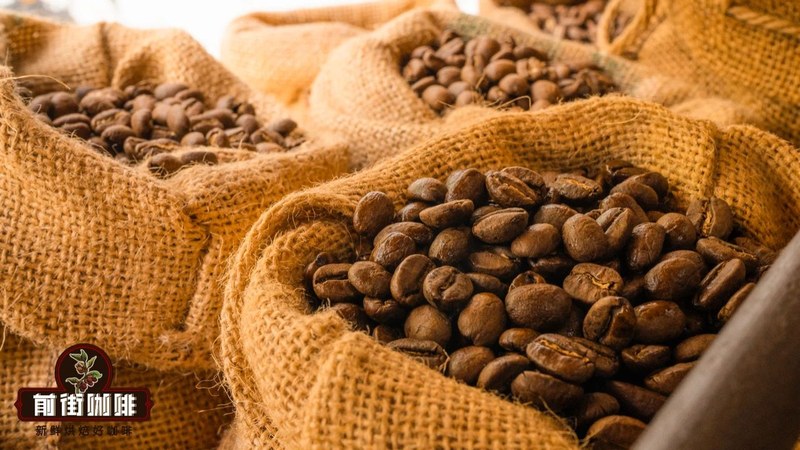
Beans shipped by Qianjie are always freshly out within 5 days, so you can brew a cup as soon as they arrive, and the flavor is more complete if you finish them within a month. White floral notes have another characteristic: they slowly dissipate over time, so don't stretch the resting period too long, drink them as soon as possible after opening, and seal them well after each use to preserve the aroma more completely.
Qianjie Grana Gesha is an Ethiopian native Gesha, natural processed and medium roasted, with bright yellow peach, apricot and citrus flavors and a tea-like finish. This bean made me realize that even at medium roast, Gesha's floral genes are still online; it's just that the expression shifts from elegant white floral notes toward riper fruity flavors. This also shows that choosing a roast level is essentially adjusting the degree to which the floral notes are developed.
When choosing a coffee with white floral notes, my advice is to look at the variety first; Gesha and Ethiopian native varieties have a high probability. Then look at the processing method: washed is safer, natural needs careful selection. Finally, lock in a medium-light roast. When drinking, don't rush to conclusions; in the high-temperature range, smell the wet aroma first, take a gentle sip on the first mouthful and let the aroma spread through your mouth. White floral notes are often hidden in that very moment.
Related Reading




Comments (0)
Loading comments...
You May Be Interested




Trending Reviews
Popular Videos

With you, wherever you are! We provide useful features to help you find new things you'll love






