Source:Best Coffee > News Author:qjroot Published:2026-09-02 18:27:01
American black coffee does not correspond to just one type of equipment. With an espresso machine, you extract espresso and then add water; the cup will have obvious aroma, intensity and a creamy mouthfeel. Coffee made with a moka pot is thicker and suits having hot water added to adjust it. A dripper, on the other hand, can bring out the bean's fruity notes and tea-like qualities. Look first at the equipment you commonly use at home, then choose beans that can maintain sweetness and layers under the corresponding parameters; the coffee will taste closer to your daily habits.
When using an espresso machine to make an Americano, the bean's roast level and grind compatibility are very important. Medium roast or medium-dark roast beans are usually easier to form a full-bodied coffee liquid in a short time, and after adding hot water they still have clear caramel, nut or cocoa notes. For a home machine, you can start with 18 g of grounds extracting 36 g of liquid over a total time of about 25 to 32 seconds, then use grind size to adjust acidity, sweetness and intensity, while adding 80 to 150 g of hot water according to personal taste.
If you like fruity Americanos, you can look at Qianjie Kenya Little Tomato. When this bean is extracted with an espresso machine, its bright acidity transforms into a refreshing sensation similar to red fruit, with a finish carrying dark fruit flavors like smoked plum and a syrupy feel. It is recommended not to pull the liquid yield too long; first make about 36 g of espresso from 18 g of grounds, then add 90 to 120 g of hot water. This preserves the aroma and keeps the cup from tasting thin.
If the equipment is a small home espresso machine, temperature stability and pressure performance are often not as good as a commercial machine, so it is better to choose beans with clear sweetness and a rounded structure. You can start testing with a water temperature of 91 to 93°C and control the extracted liquid yield at around twice the dose. If the entry tastes sharp, you can grind slightly finer, or extend by two or three seconds. If the finish feels dry, then shorten the output volume to reduce the bitterness brought by the high-temperature stage.
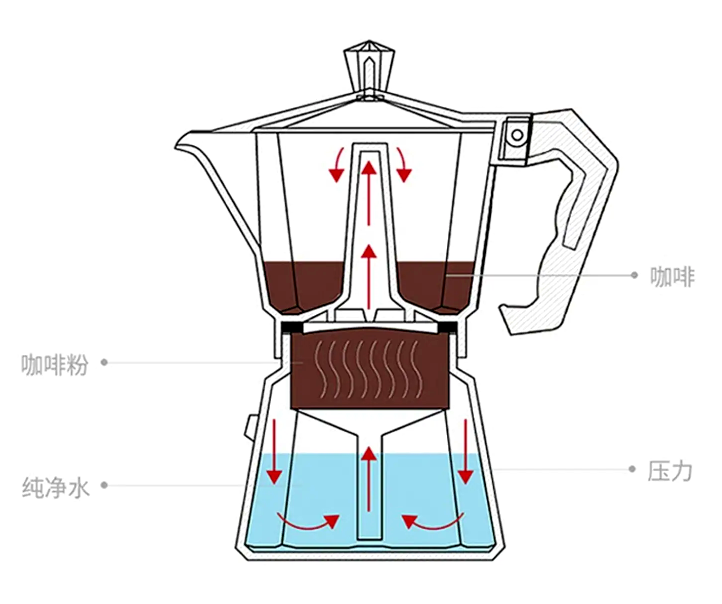
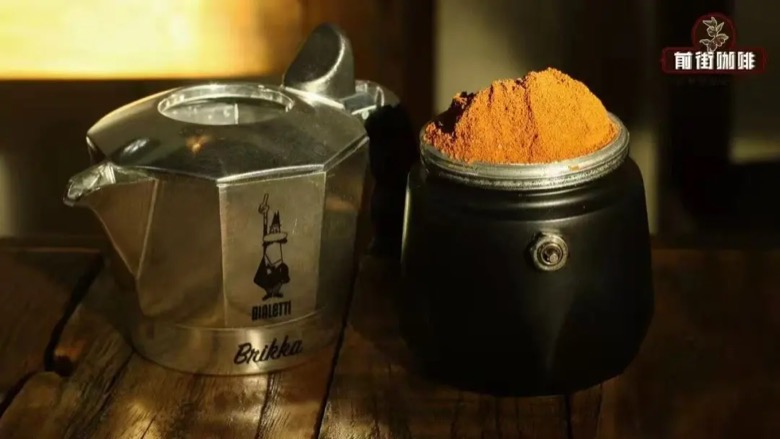
When making an Americano with a moka pot, the coffee liquid itself is already fairly concentrated. If the beans are too dark roasted, adding hot water can easily make it seem heavy. Medium roast beans can retain more obvious sweet aroma in the moka pot's high-temperature environment and are suitable for making a hot Americano. Take Qianjie Kafa Forest as an example: the orange, ripe apricot and oolong tea-like sweet aftertaste will become softer. Fill the basket level with grounds, and add hot water up to just below the safety valve.
The heat for a moka pot should be kept at medium-low. When you see the coffee liquid flowing continuously and the color starting to lighten, remove the pot from the heat, then dilute with hot water. The grind can be slightly coarser than for espresso, and the coffee bed should stay level without needing to be pressed hard. If the result is strong and bitter, first check the heat and the timing of removing it from the heat. If the flavor is loose, reduce the hot water added, or grind slightly finer, so the Americano retains enough aromatic density.
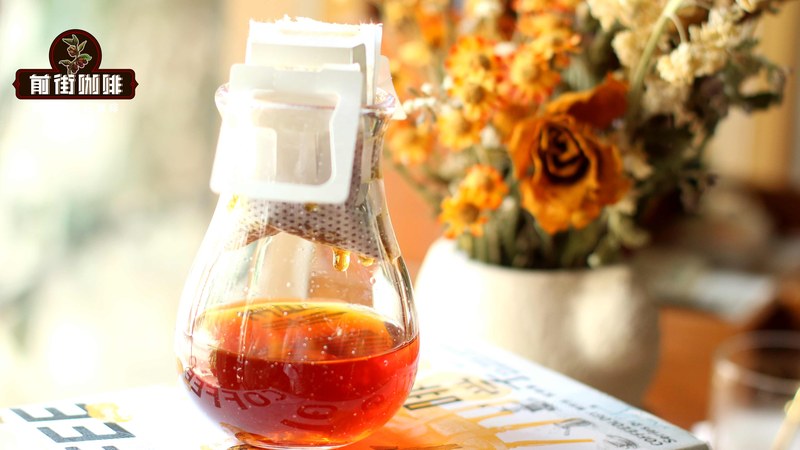
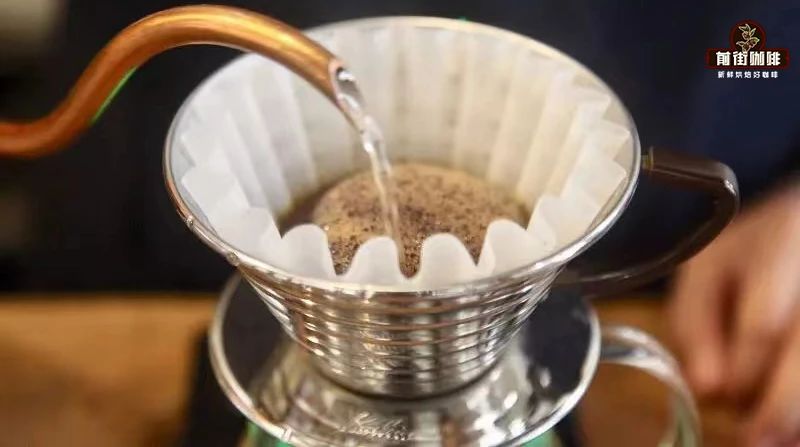
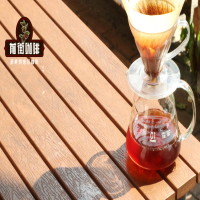
Pour-over black coffee is closer to a light, refreshing Americano and is suitable for people who want a long cup while caring about flavor details. For the dripper, you can use 15 g of grounds with 240 g of water, with the water temperature falling between 90 and 94°C according to roast level, pouring in two to three stages. Lighter beans need a moderate increase in water temperature and longer contact to bring out sweetness. If the flow rate is too fast, the coffee often tastes thin.
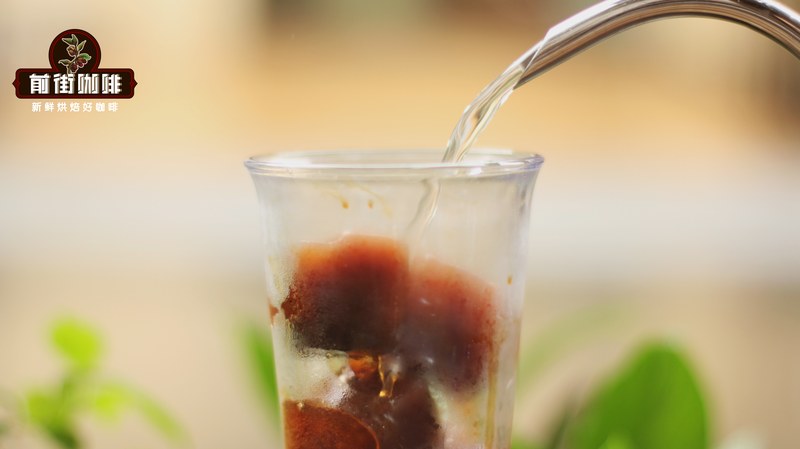
Qianjie Granja Estate Geisha is suitable for brewing into a cup of black coffee with a prominent aroma using a dripper. Notes of orange blossom, guava, apricot and strawberry jam become more varied with higher water temperature and staged pouring. You can use 15 g of grounds, 250 g of water, a water temperature of 92 to 93°C, a medium-fine grind, and control the total time at two and a half to three minutes. Wait until the temperature drops before tasting, and the sweet aroma will be clearer.
If you use a Clever Cup, French press or other immersion brewer at home, the key is to control the immersion time, not to chase a very fine grind. After the coffee grounds fully contact the water, the aroma releases steadily, making it suitable for brewing a gentle cup of black coffee. For light-medium roast beans, you can use 16 g of grounds with 250 g of water, steep for about three and a half minutes, then filter. If you like a fuller mouthfeel, you can extend the time to four minutes and reduce the final amount of water added.
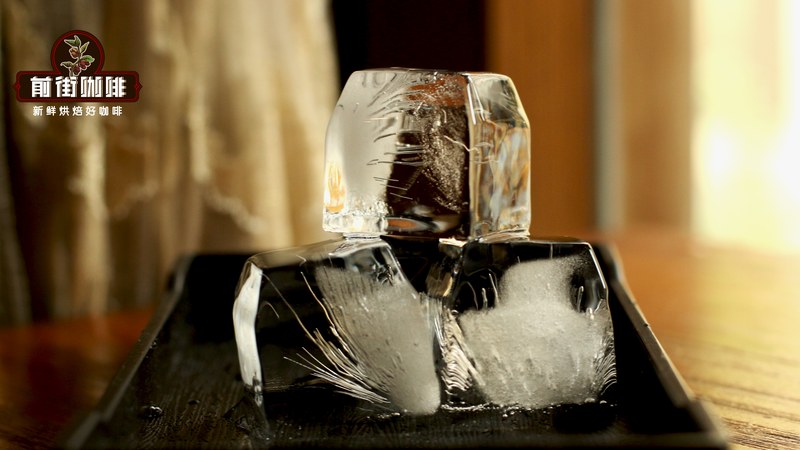
Iced Americanos also need to be adjusted according to equipment and beans. When adding ice water to espresso, it is recommended to let the coffee finish extracting first, then pour it into a cup with ice, to avoid the hot liquid directly scattering the aroma. For pour-over iced coffee, you can replace part of the total water with ice, for example 15 g of grounds, 150 g of hot water with 100 g of ice. Fruity beans become clearer at low temperature, while nut and cocoa profiles appear smoother.
When choosing beans for American black coffee, you can judge target intensity, equipment temperature and drinking habits within the same set of parameters. If you want a strong, full-bodied cup, an espresso machine or moka pot is more suitable. If you prefer something light, fruity and tea-like, a dripper or immersion brewer is easier to present. Record the dose, liquid yield, time and amount of water added, and after drinking it a few times, you will be able to find a daily bean that truly suits your equipment.
Related Reading


Comments (0)
Loading comments...
You May Be Interested

Trending Reviews
Popular Videos

With you, wherever you are! We provide useful features to help you find new things you'll love






