Source:Best Coffee > News Author:qjroot Published:2024-12-08 18:47:34
Recently, according to data from the Colombian Coffee Growers Federation (FNC), Colombia's coffee production in November totaled 1.76 million bags (60 kg/bag), an increase of 37% compared with the same period last year.
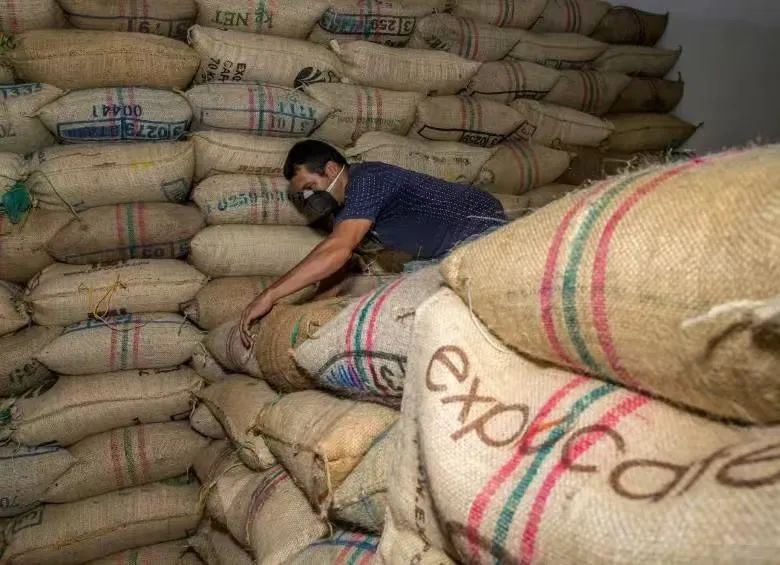
In addition, the head of the FNC said this was mainly thanks to the recovery of the weather and the replacement planting in previous years of varieties with stronger disease resistance; this year a total of 90,000 hectares of coffee farmland were renovated, the best record in the past 11 years. Therefore, over the past 12 months (from December last year to November this year), Colombia's coffee production has already reached 12.41 million bags, an increase of 21% over the same period last year. Moreover, due to the increase in production and exports, the value of this coffee harvest was 14.2 billion US dollars, an increase of 26%, and so far in the fourth quarter it has reached a growth of 108%.
It is understood that Colombia has encountered quite a few situations over the past three years, and coffee production has been less than ideal. In 2023, affected by La Nina and El Nino phenomena, coffee production continued to decline, and planting costs also kept increasing.
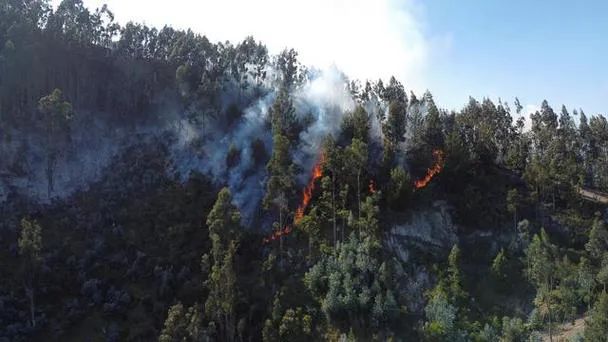
Then, during the period from August to September this year, Colombia suffered drought and wildfire problems. Fortunately, rainfall resumed starting in October, and afterward the weather conditions were relatively stable, with both coffee production and exports increasing. In addition, global coffee prices rose, and the income of Colombian coffee growers also increased accordingly, giving them more funds to invest in and renovate coffee farms.
In addition, the country has also recently provided strong funding for its agricultural development. Earlier, Banco de Colombia announced an investment of 22 billion pesos to support agricultural development and help farmers face extreme weather conditions. The FNC has also cooperated with Starbucks to distribute 55.7 million coffee variety seedlings resistant to rust and berry disease to local coffee farmers, helping Colombia renovate coffee plots and improve long-term productivity.
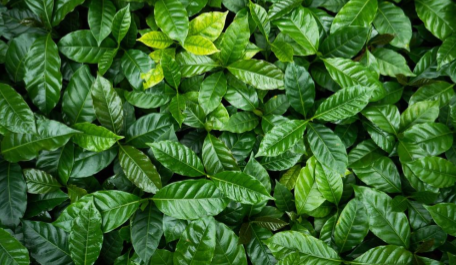
But for now, Colombian traders are beginning to worry, because when the new US President Trump takes office next January, Colombia may face stricter trade policy toward the US, and tariff measures could make export costs more expensive.The US is the main destination for Colombian exports, accounting for 29.2% of Colombia's total export sales, and mainly importing commodities such as fuel, gold, flowers and coffee.
According to Colombia's service logistics manager, if protectionist measures and tariff adjustments are implemented in trade between the two countries, then by 2025, Colombian goods sales to the US could fall by 15%, and it would also increase export costs and affect market competitiveness, particularly affecting the agricultural and manufacturing sectors.
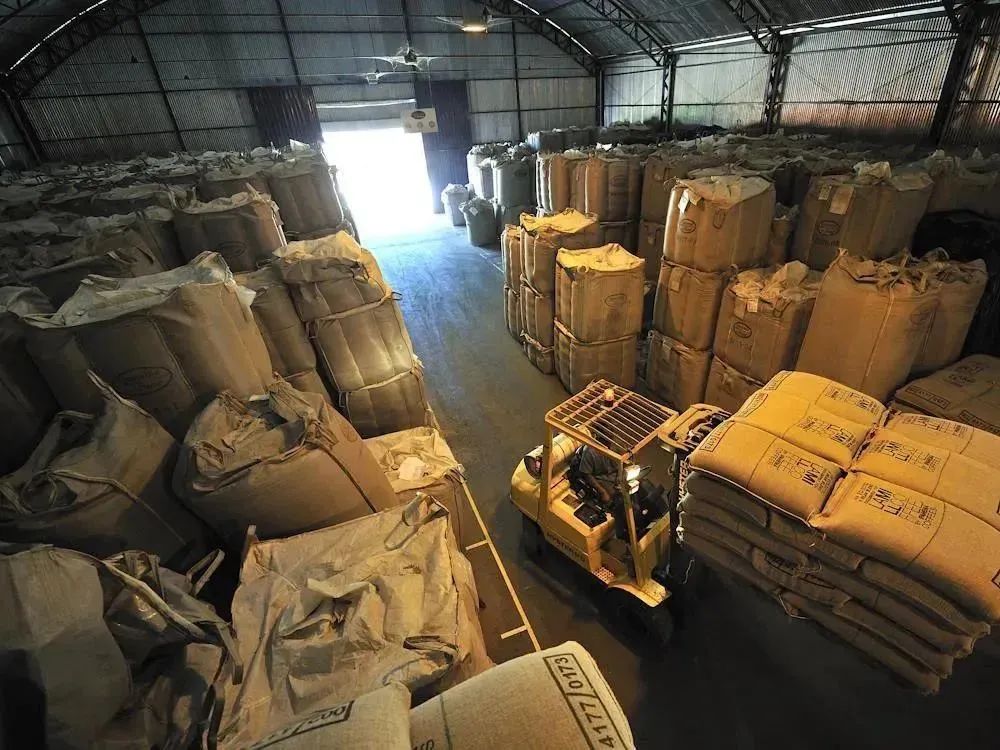
In addition, coffee export logistics are also under threat, mainly due to the lack of containers and port congestion. According to the chairman of the Colombian National Coffee Exporters Association (Asoexport), earlier roads in many parts of Colombia were hit by truck drivers' strikes and blockades, affecting the country's transport and logistics. In addition, due to shipping disruptions caused by geopolitics and the Red Sea crisis, ports in multiple countries have experienced congestion, and Colombia is no exception, with port congestion and container shortages being severe.
These circumstances have greatly affected the country's coffee exports, and at present a fair amount of coffee is piling up at port terminals, which has also caused many coffee exporters to overspend on costs and suffer inefficiency due to extra fees for storage, demurrage and pre-stacking.
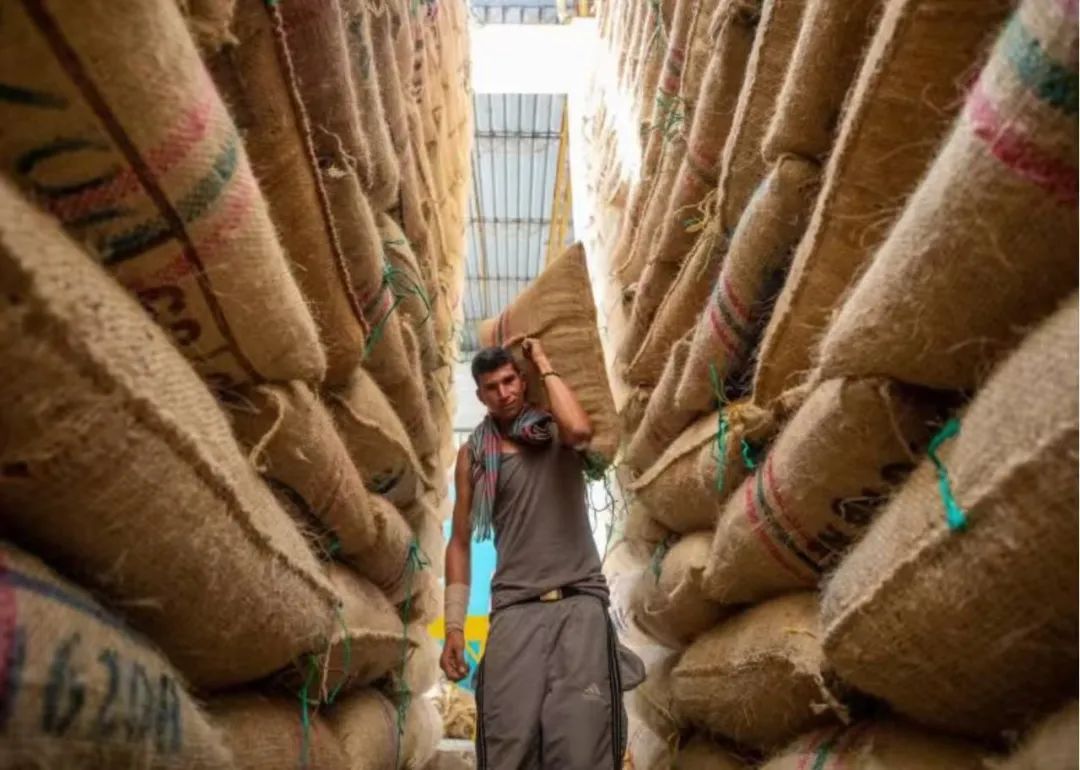
Even after encountering no shortage of difficulties, the market remains bullish on Colombia's coffee industry for now, with considerable growth in both coffee production and supply. But Colombia's production growth is not enough to fill the gap left by Brazil's reduced output, and coffee prices remain high.
To learn more about coffee origins, please scan the QR code to follow: Kaping
Long-press the QR code to follow:

Related Reading


Comments (0)
Loading comments...
You May Be Interested



Trending Reviews
Popular Videos

With you, wherever you are! We provide useful features to help you find new things you'll love






