Source:Best Coffee > News Author:qjroot Published:2024-07-06 18:31:25
African coffee holds an important place in the global coffee market. Ethiopia is the birthplace of coffee, and besides Ethiopia, there are many other outstanding coffee-producing countries, such as Kenya, Tanzania and Rwanda.
Tanzania is located in East Africa, south of the equator, and is made up of Tanganyika (the mainland) and Zanzibar (the islands), and it borders several African countries.
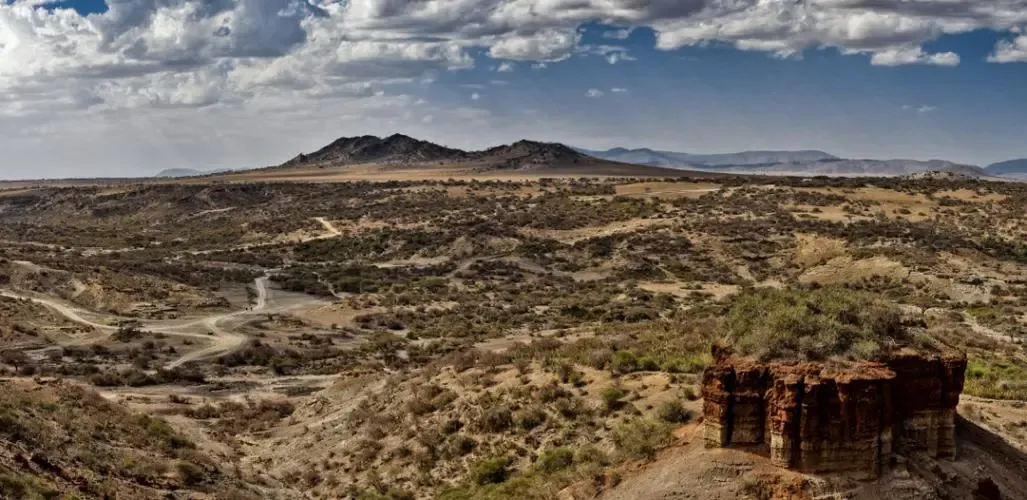
According to some historical records, coffee was introduced to Tanzania from Ethiopia in the 16th century. By the 19th century, when Germany colonially ruled Tanzania, coffee had already become a cash crop in Tanzania and elsewhere.
Tanzania's economy is mainly agricultural, and it is rich in mineral and tourism resources. The country's terrain is high in the northwest and low in the southeast; the eastern coast is lowland, while the western plateau accounts for half of the country's total area. The East African Rift splits into two branches, east and west, from Lake Malawi and runs north to south through the country, and it is home to Mount Kilimanjaro, the highest peak in Africa.
The country is close to the equator, so the eastern coast and some inland lowlands have a tropical savanna climate, while the western inland plateau has a tropical mountain climate, with an average annual temperature of 21°C-26°C. Although the country has relatively low rainfall, with 80% of the areas receiving less than 1000 mm of rain, Tanzania has numerous rivers and lakes and is rich in hydropower resources.
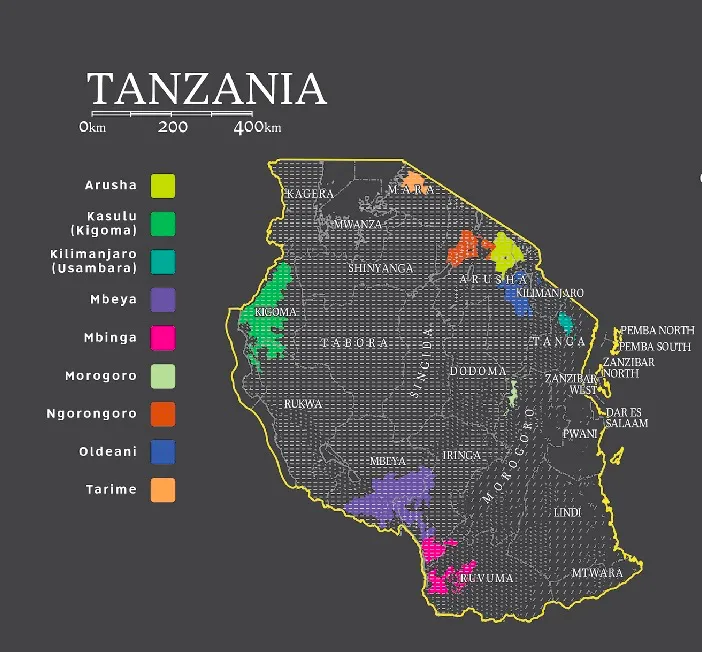
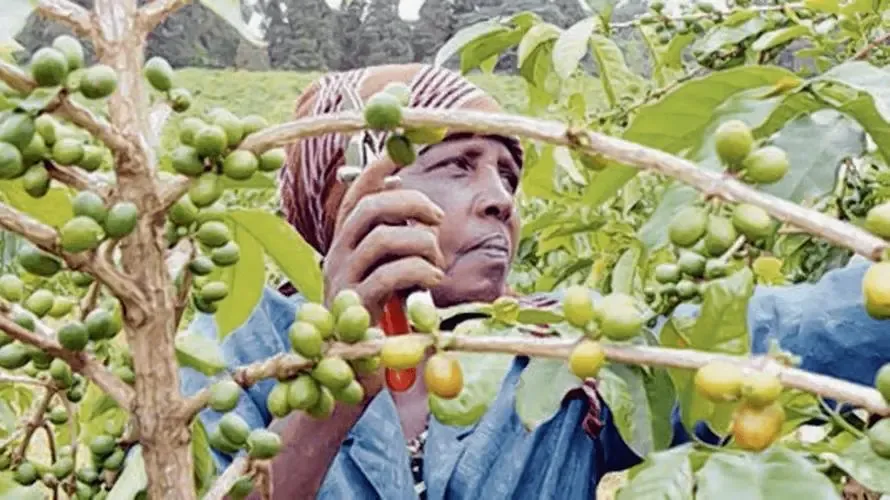
Coffee cultivation in Tanzania is currently divided into nine producing regions, with the better-known ones being Kilimanjaro, Arusha, Ruvuma, Mbeya, Tarime and Kigoma. 90% of Tanzania's coffee comes from 450,000 smallholder farmers, while the other 10% comes from larger estates, so the cooperative model predominates. Moreover, Tanzania's first common cooperative, the Kilimanjaro Native Planters' Association (KNRA), was established as early as 1925.
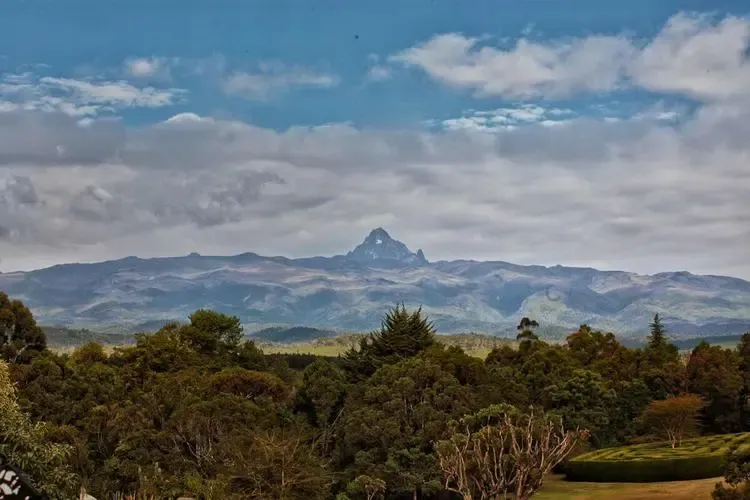
Among Tanzania's coffee-producing regions, Kilimanjaro ("Kilima" means mountain, and "jaro" refers to radiating light) is the most famous. Kilimanjaro is the highest mountain on the entire African continent, composed mainly of three extinct volcanoes, Kibo, Mawenzi and Shira, reaching a maximum height of 5895 m, while coffee is grown at an altitude of 1050-2500 m.
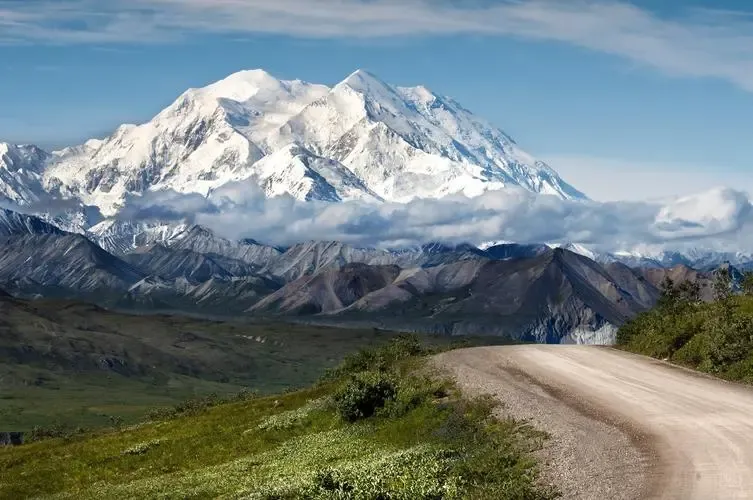
A sufficiently high altitude, volcanic soil, and pure snowmelt water make this the most suitable region for growing coffee. Best Coffee has a washed Typica from the Kilimanjaro region, which tastes of gentle acidity, with flavors of citrus, berries, honey and nuts; the mouthfeel is soft with a tea-like quality, and it is balanced overall.
Although Tanzania's specialty coffee-producing regions are concentrated near Mount Kilimanjaro and in the northern part of the country, in recent years southern Tanzania has also begun to emerge, such as the Mbinga producing region.
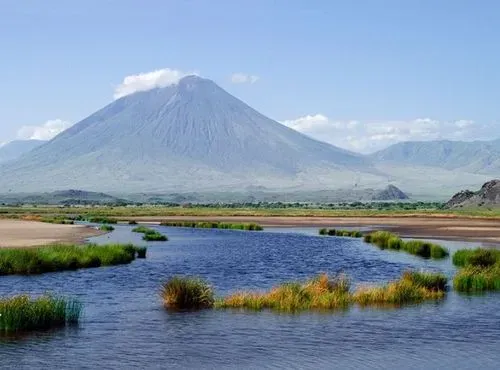
The Mbinga region is known for its proximity to Lake Malawi, near Malawi; this lake is the third largest in Africa, and apart from its southern end, it is surrounded on three sides by mountains. Coffee is grown on hillsides at 1600 m, and the soil here is nourished by the lake water and is very fertile, making it suitable for coffee and other agricultural products to grow here.
The local Nsekewe (Nsekewe) cooperative is one of the few cooperatives in the region with female board members, and the cooperative places great emphasis on environmental protection, which is how it is able to produce high-quality coffee beans.
Related Reading




Comments (0)
Loading comments...
You May Be Interested





Trending Reviews
Popular Videos

With you, wherever you are! We provide useful features to help you find new things you'll love






