Source:Best Coffee > News Author:qjroot Published:2025-06-15 13:22:50
Africa is located in the western part of the Eastern Hemisphere and is the world's second-largest continent. Its terrain is dominated by plateaus, which account for more than 60% of Africa's area, with an average elevation of 750 m. Africa is rich in natural resources, with numerous mountain ranges, volcanoes, lakes and rivers, and it straddles the equator. Its climate is mainly tropical, which has made agriculture, including coffee, highly developed in Africa and given it an important position in the global market. Among these, coffee produced in Kenya is famous throughout the specialty coffee world for its layered fruity aromas and full, juicy body.
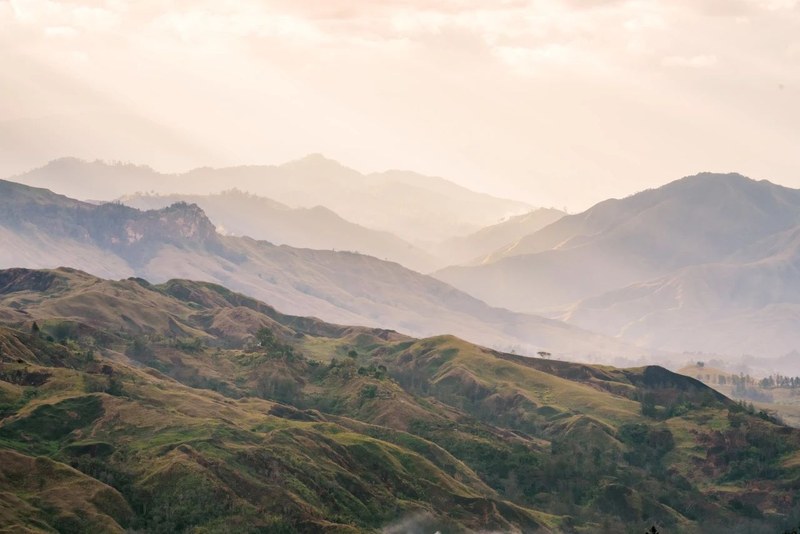
According to information reviewed by Qianjie, Kenya is located in the east of the African continent. The country has diverse terrain, mostly plateau and mountain land with an average elevation of 1500 m, while the eastern branch of the East African Rift Valley cuts north-south through the plateau, dividing the highlands into eastern and western parts. Many volcanoes also stand within its borders. Among them, the extinct volcano Mount Kenya in the central highlands reaches 5199 m above sea level and is the second-highest peak in Africa, while in the west there is also Kenya's second-highest mountain, Mount Elgon.
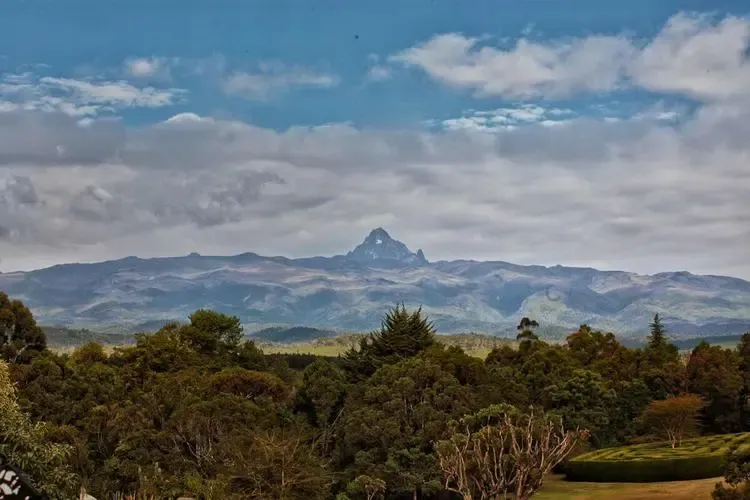
Because Kenya straddles the equator, its climate is diverse. The entire country lies in the tropical monsoon zone, and most areas have a tropical savanna climate. The coastal areas are hot and humid, the highlands have a mild climate, and mountains above 3500 m are covered in snow year-round. The annual temperature ranges between 12-24°C. Influenced by the monsoon climate, there are only a rainy season and a dry season. High-altitude mountains, volcanic soil, abundant sunlight and appropriate rainfall provide ideal innate conditions for coffee growth.
The development of Kenyan coffee cannot be separated from the government's promotion. Although it started relatively late, because Kenya was a British colony at the time, the British controlled local agriculture. Only later, after independence, did the government, through land reform, enable Kenyans to grow their own coffee. Afterwards, through measures such as establishing an auction system, drafting a coffee quality grading system and an agriculture act, it improved cultivation quality, increased coffee income, and enabled farmers to become self-sufficient.
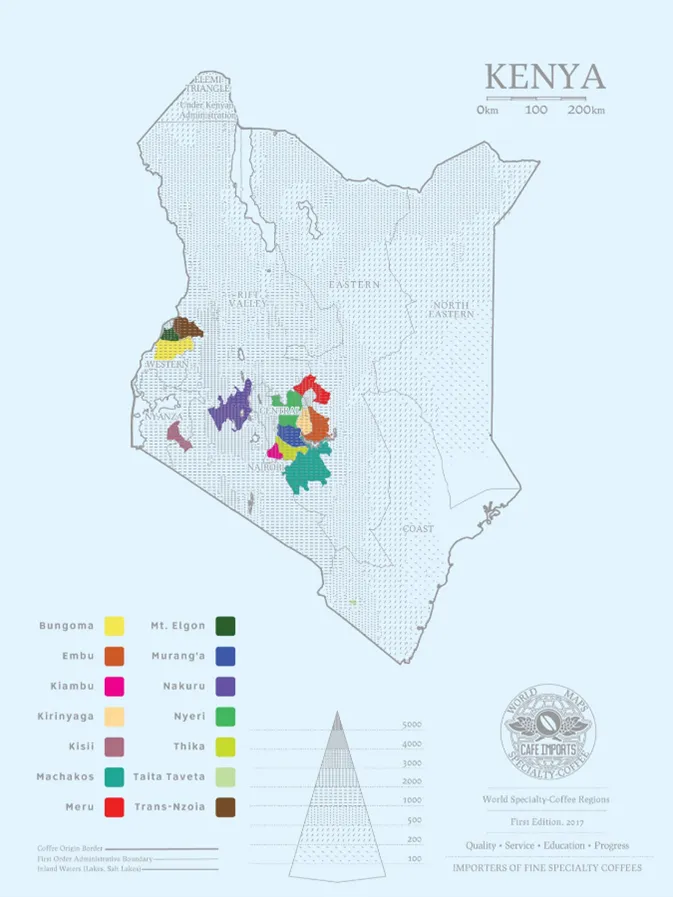
Coffee cultivation in Kenya is mainly divided into three major regions: Kenya's central region, the East African Rift Valley region and the western region.
Central Region
The central region can be said to be Kenya's main agricultural production area for coffee and other crops. 60% of Kenya's total coffee output comes from this region, which mainly includes the Nyeri, Kiambu, Kirinyaga, Murang'a and Thika production areas. There are farms large and small here, mainly distributed on the slopes of Mount Kenya and the Aberdare Range, near Kenya's capital, Nairobi.
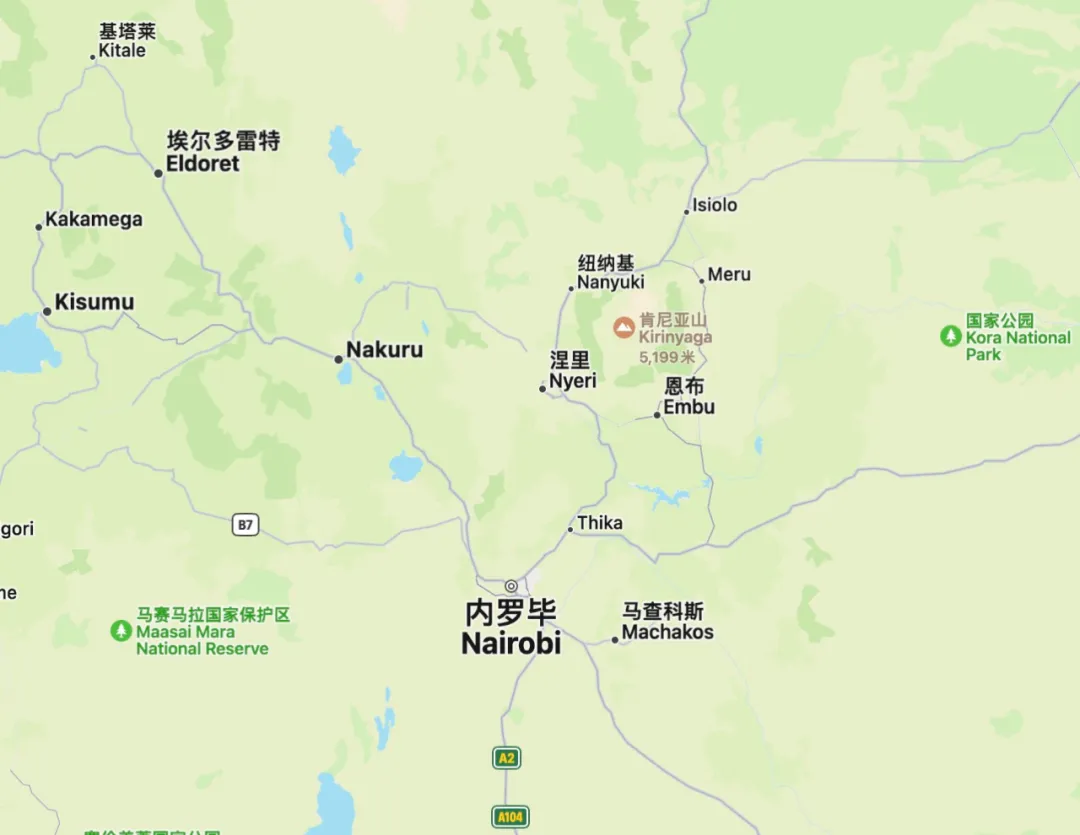
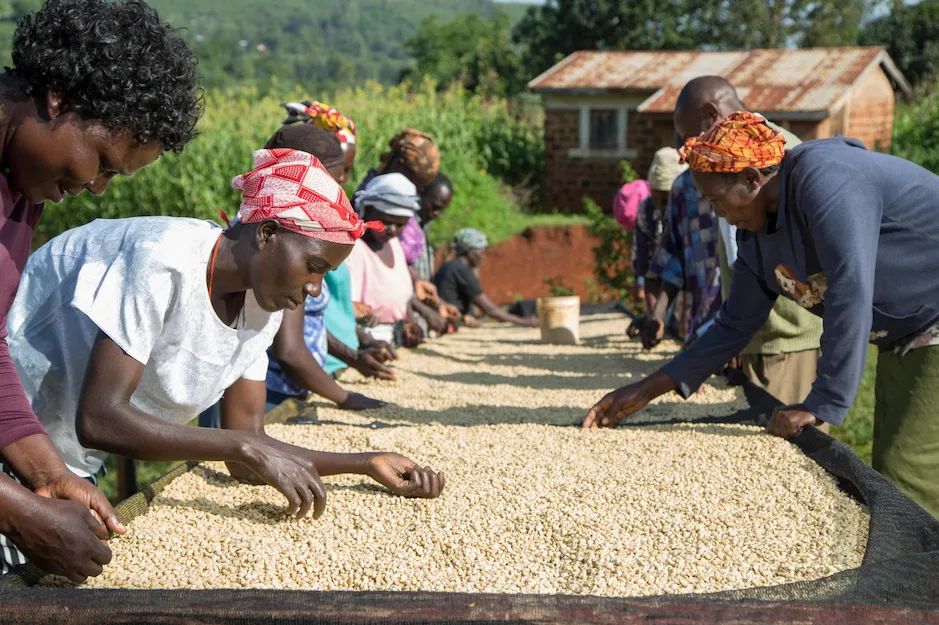
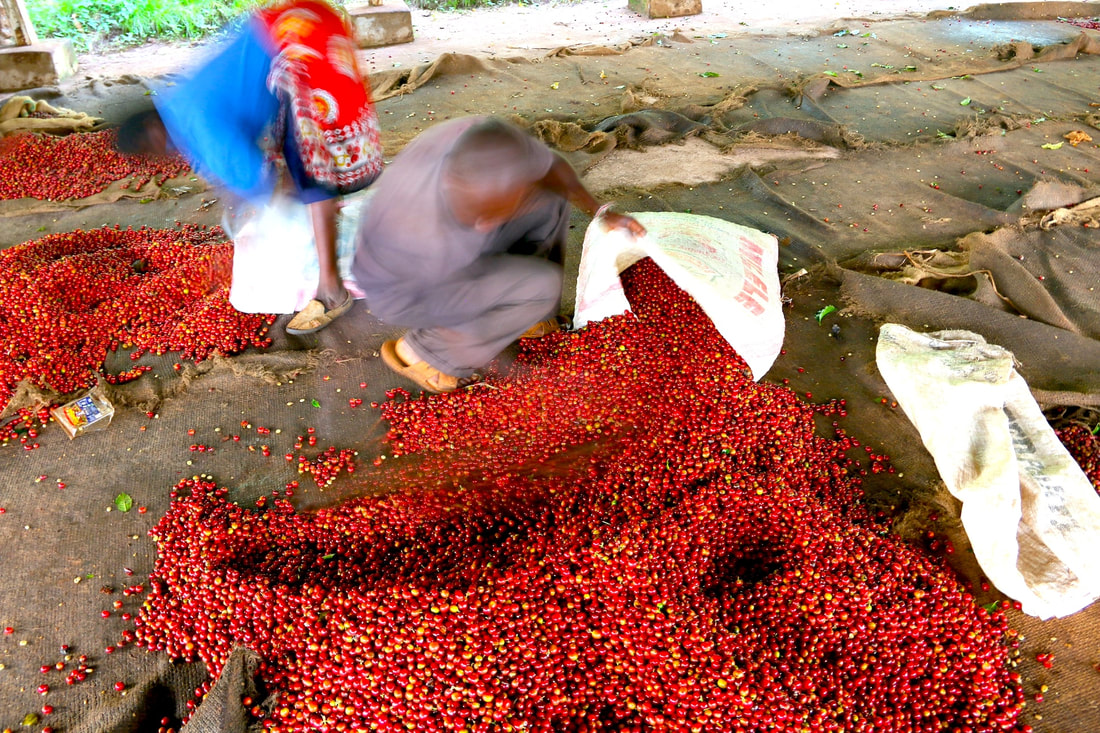
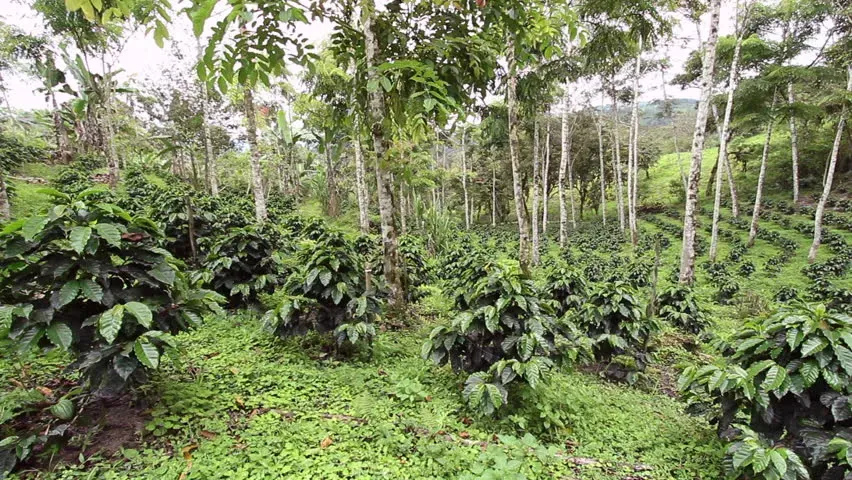
In the central region, because of the extinct volcano Mount Kenya, the soil here is red volcanic soil rich in organic matter. Coffee is grown on hillsides at elevations of 1200-2300 m, and abundant sunlight and rainfall enable these production areas to produce high-quality coffee. Most producers in this region are smallholder coffee farmers who join cooperatives, while the cooperatives provide wet mills, and the coffee farmers send the coffee cherries to the cooperatives' mills for processing.
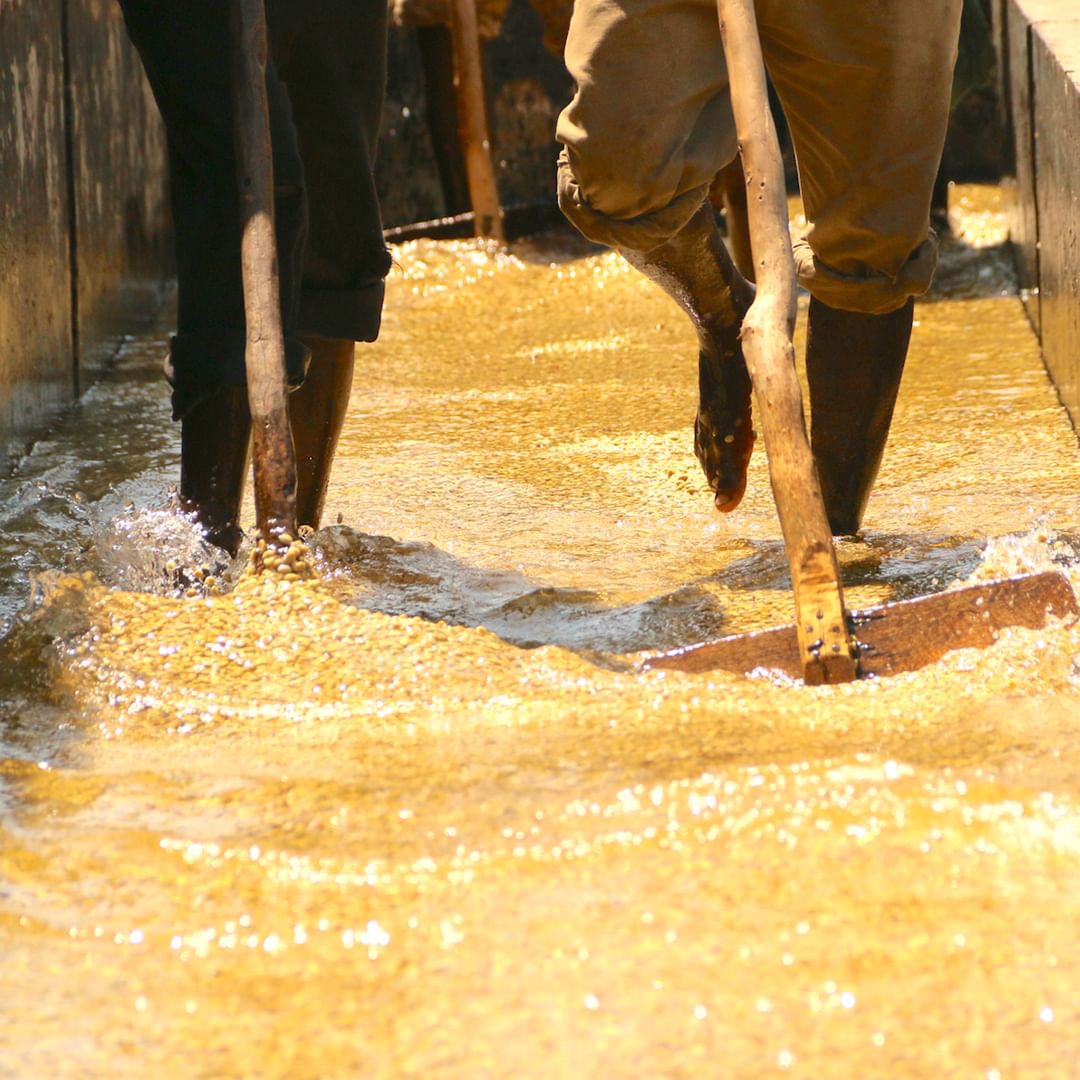
Among the several factors that make Kenyan coffee stand out among so many production areas, Qianjie must mention the well-known K72 washed processing method, which can be understood as an extra extension of ordinary washing and double washing. This washing procedure emphasizes control of fermentation time. First, a 24-hour washed fermentation is carried out, then the detached mucilage is cleaned off, and it is fermented again for 24 hours in a clean tank. Next, the remaining components are cleaned off again, and it is introduced into a tank filled with clean water for a final 24 hours of fermentation, 72 hours in total.
This technique also gives Kenyan coffee a bright and clean high-quality fruit acidity. The Azalea that Qianjie produces daily uses exactly this washing technique, making the brewed coffee show acidity like that of small tomatoes and smoked plums.

East African Rift Valley Region
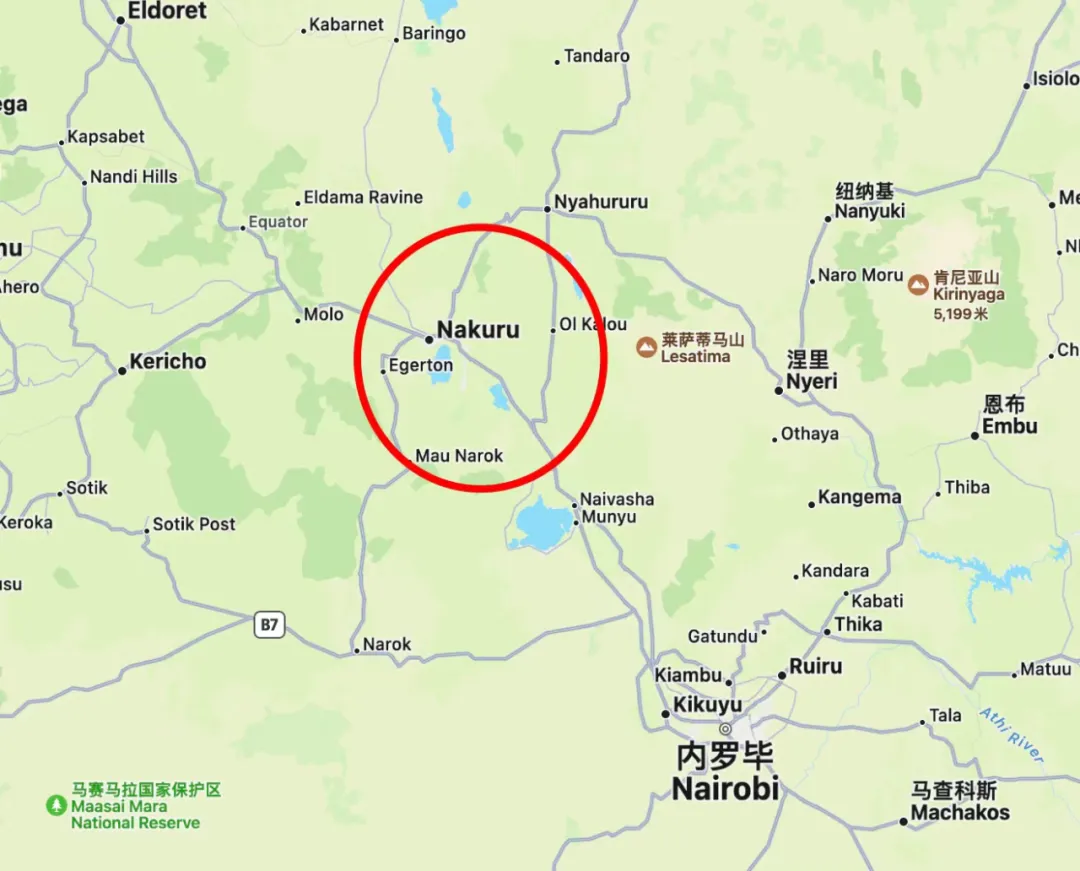
The East African Rift Valley is a 6000-mile valley in the African crust, most of which lies in Kenya. At first these areas mainly grew corn and raised livestock, and only later gradually planted coffee. The main production areas here are Nakuru and Kisii. Nakuru mainly benefits from the rich natural resources provided by the Menengai volcano and the volcanic lake Lake Nakuru. Coffee is grown at elevations between 1850-2200 m, making it one of Kenya's higher-altitude growing areas. Coffee produced in these areas has medium acidity, a full fruity aroma and rich chocolate flavors.
Western Region
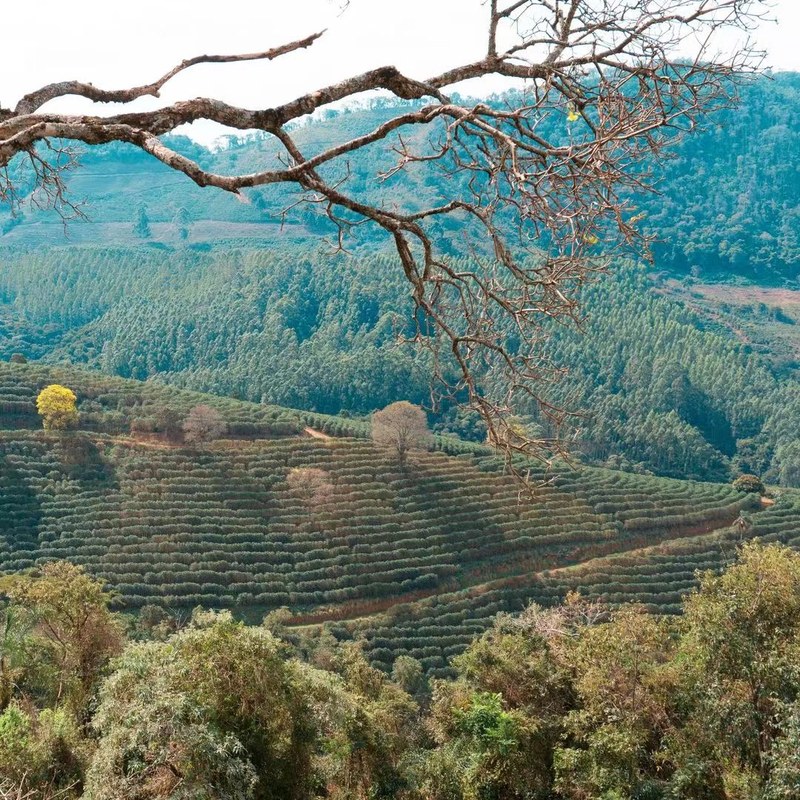
The west mainly consists of three major coffee production areas: Mt. Elgon, Trans-Nzoia and Bungoma, all located at the foot of the Mount Elgon volcano in western Kenya, with coffee grown on hillsides at elevations of 1500-1950 m. According to information reviewed by Qianjie, the terrain here is steep, with many streams and waterfalls. The hillsides have fertile land and lush vegetation, and the climate is humid and mild, with annual rainfall of 1279 mm. It has therefore become an important production area for crops such as coffee, bananas, tea and corn.
Related Reading




Comments (0)
Loading comments...
You May Be Interested



Trending Reviews
Popular Videos

With you, wherever you are! We provide useful features to help you find new things you'll love






