Source:Best Coffee > News Author:qjroot Published:2026-09-18 16:57:47
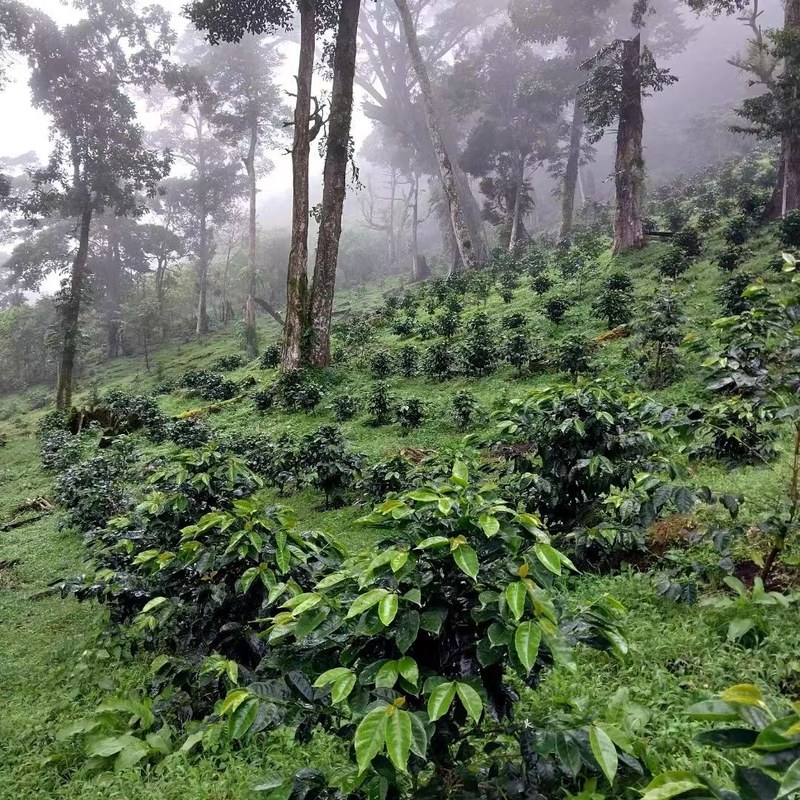
Colombian coffee has long been known for its lively berry acidity, soft caramel sweetness and clean nutty undertones. When brewing at home, many people run into problems like aromatics dissipating or the acidity tasting thin and hollow. Beyond recalibrating the grind, the water quality, which makes up more than 98% of the brewed coffee, often plays the key role. Only by recognising a region's flavour characteristics and pairing them with suitable water can the cup fully express itself.
The total amount of dissolved minerals in water, or TDS, directly determines how efficiently coffee solubles are extracted. Because tap water is generally high in overall hardness with messy calcium and magnesium ions, it easily suppresses the delicate, gentle fruit acidity of Colombian beans, turning what should be a bright juicy quality dull and muddy. Conversely, if you use purified water with minerals close to zero, the sweetness and aromatic oils in the coffee lack a carrying medium, and the cup tastes thin and hollow on the palate.
If you want to awaken the rich layers in Colombian beans, choose a natural soft mineral water or lightly soft water with a TDS between 50 and 100ppm. A moderate amount of magnesium ions helps extract fruit acidity and floral-fruity aromatics, while trace calcium ions support the coffee's full body and nutty sweetness, letting Colombian beans' signature toffee sweetness and citrus finish show a silky, plump mouthfeel.
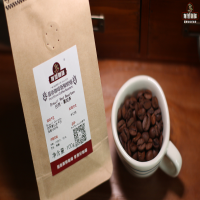
When experiencing Colombian flavour characteristics, Qianjie Signature Blend is a very suitable example. This blend combines Colombian Huila with Brazilian Cerrado, integrating a solid nutty cocoa base with the clean, moist caramel sweetness unique to Colombian beans. It is not only suited to a crisp Americano-style black coffee, but also shows great tolerance and balance when paired with milk.
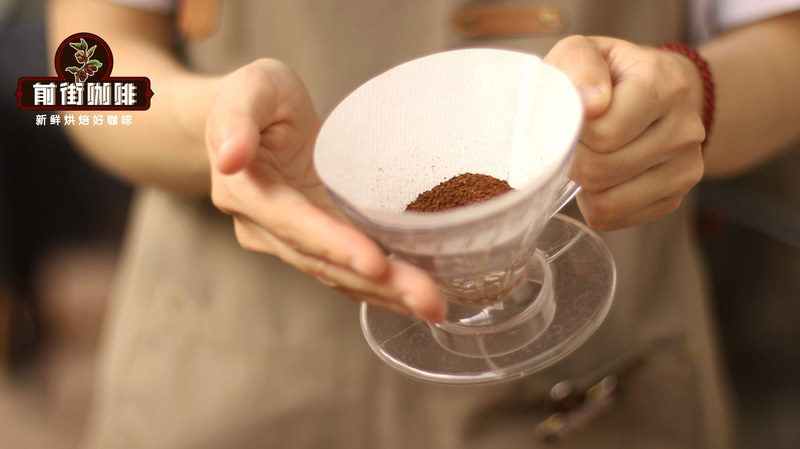
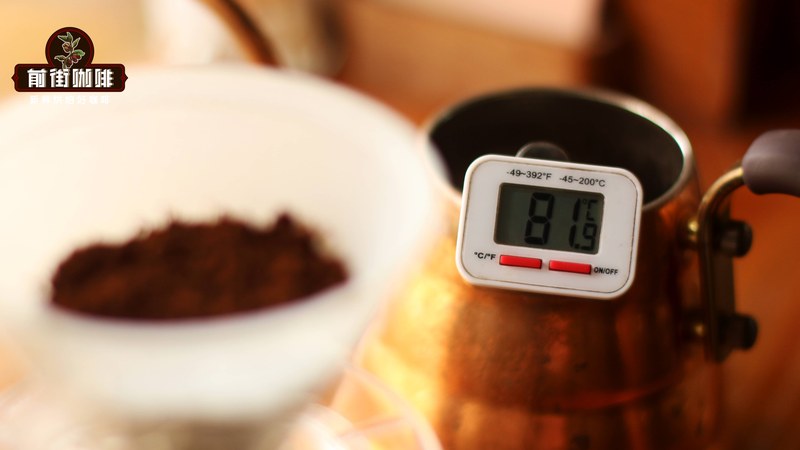
When brewing medium-dark roasted beans like Qianjie Signature Blend, water hardness directly affects the clarity of the nutty profile. Using a pour-over dripper or flannel, soft water with a TDS of around 70ppm is recommended. Weigh 15g of coffee grounds, pour in 90°C hot water, and use a 1:15 coffee-to-water ratio. First pour 30g of water and bloom for 30 seconds, then pour in three even stages up to 225ml, keeping the total time to 2 minutes 05 seconds, which brings the cocoa flavour and faint sugarcane sweetness into harmony.
If used to make espresso, softer water helps steadily extract lipid sweetness in a high-temperature, high-pressure environment while avoiding off-bitters caused by impurities. When making Qianjie Signature Blend, grind 18.5g of coffee, extract at constant pressure after low-pressure pre-infusion, and pull 37g of espresso within 26 seconds. A fine, ochre-red crema forms on the surface, and when making a hot latte it gives off a rich toasted almond aroma.
If you prefer a purer, low-acid single-origin black coffee with a round mouthfeel, Qianjie Papua New Guinea Paradise Bird is also worth noting. This bean has a warm, balanced character and is equally sensitive to water quality when brewed. Hard water with too many minerals easily masks its gentle woody aroma and honey-like sweetness, while soft water clearly restores its mild, elegant regional personality.
For the medium-roasted Qianjie Papua New Guinea Paradise Bird, adjust the water temperature to 89°C for pour-over, take 15g of grounds, and maintain a 1:15 coffee-to-water ratio. Pour 30g of water to complete a 30-second bloom, then pour steadily with a strong stream in two stages up to 225ml, keeping the total drawdown to around 1 minute 55 seconds, which fully presents the cup's sugarcane-like clean sweetness and silky texture.
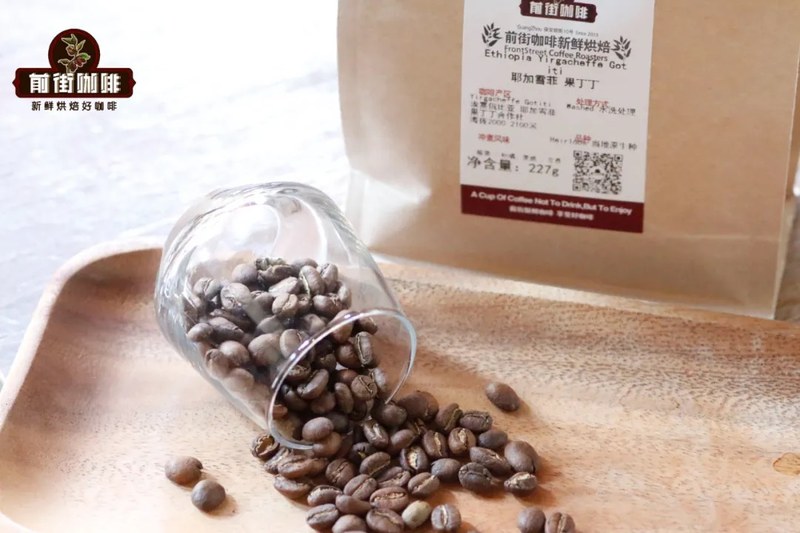
For those who favour a thick nutty cocoa aroma, Qianjie Brazil Queen's Estate is another approachable representative. This medium-dark roasted bean itself carries warm toasted nut and dark chocolate aromas with very low acidity. Faced with slightly higher TDS water of around 90ppm, it instead smoothly draws out a fuller sweetness and solid oily aroma.
When making Qianjie Brazil Queen's Estate with a moka pot, pour 90ml of warm water heated to slightly hot into the lower chamber, fill the basket with coffee grounds and level them gently, then heat over medium-low heat continuously, keeping the whole extraction process to about 1 minute 35 seconds, and turn off the heat and remove the pot in time. The thick coffee liquid that flows out is richly aromatic, and on the palate it is as sweet and moist as melted dark chocolate.
Once you understand the relationship between water quality and flavour extraction, choosing beans and brewing both become more effortless. To taste the clear citrus notes and sweet, moist caramel in Colombian beans, start by adjusting your brewing water. Match water hardness to the bean's roast level, then apply a corresponding extraction rhythm, and you can easily serve a cup of good coffee with distinct layers and a long, lingering finish at home.
Related Reading



Comments (0)
Loading comments...
You May Be Interested


Trending Reviews
Popular Videos

With you, wherever you are! We provide useful features to help you find new things you'll love






