Source:Best Coffee > News Author:qjroot Published:2024-07-19 19:20:20
On local time the 16th, Colombia's Minister of National Defense opened a press conference, at which the Minister of National Defense announced that the Colombian government is terminating the ceasefire agreement signed with some factions of the anti-government armed group "Central General Staff."
According to the Minister of National Defense at the press conference, one faction of the "Central General Staff" has been violating the ceasefire agreement for the past few months, taking "terrorist actions" and attacking the military and civilians; orders have now been issued to the military to launch a full-scale offensive against this faction of the "Central General Staff." But at the same time, the Colombian government will continue to maintain a three-month ceasefire with the factions within the "Central General Staff" that support peace talks.

It is understood that the "Central General Staff" is the largest branch of the former largest anti-government armed group in Colombia, the "Revolutionary Armed Forces of Colombia," and the "Revolutionary Armed Forces of Colombia" organization signed a peace agreement with the government in 2016 and formally declared itself a political party in 2017. But not everyone within the organization agreed to the peace agreement; some opposing members formed other branches, including the "Central General Staff."
In addition, in October 2023, the Colombian government signed a three-month ceasefire agreement with the "Central General Staff," and by January 2024, the two sides extended the agreement until July 15. However, since the beginning of this year, the "Central General Staff" has continuously launched attacks in the southwestern Colombian departments of Narino, Cauca and Valle del Cauca, causing multiple soldiers, police officers and civilians to be injured. On March 17, 2024, the Colombian government announced the suspension of the ceasefire agreement with the "Central General Staff" in the above 3 departments and restarted clearance operations.
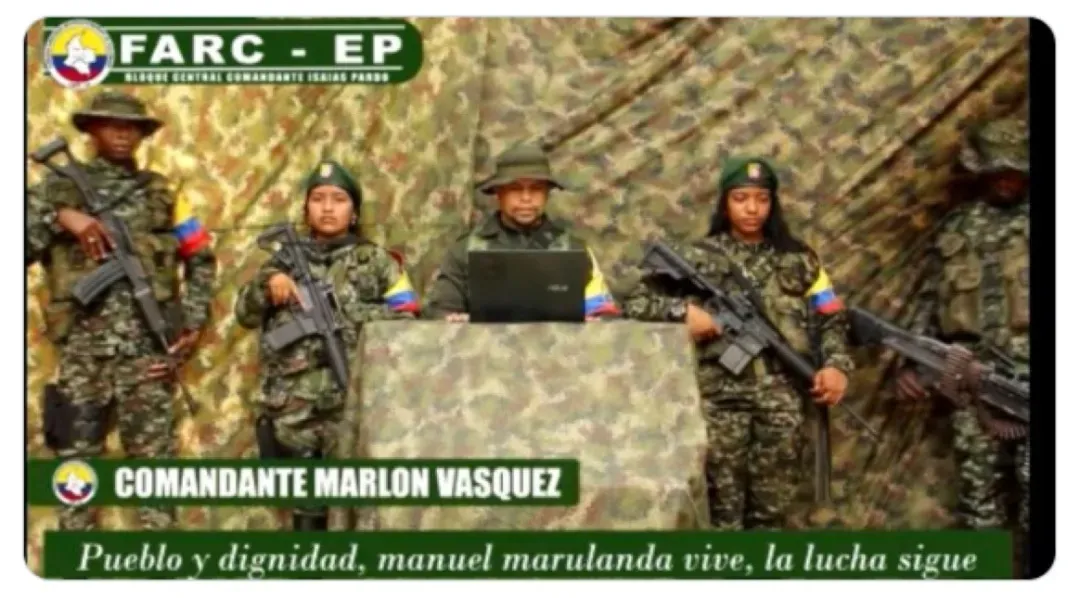
During the clearance operation, the Colombian government forces killed 3 anti-government armed militants and arrested 12 people. However, later in early April, the Colombian government opened dialogue with the "Central General Staff," restarting the peace process between the two sides.
However, 3 regions in southwestern Colombia remain mired in constant conflict. Some anti-government armed groups have strengthened their control over the area, attempting to control illegal businesses, which has led to an increase in criminal activities such as kidnapping, extortion and child recruitment, and to the installation of multiple explosive devices on the streets of the region. Moreover, the vehicle commonly used by the Colombian Vice President was earlier shot at in the region, drawing widespread attention.
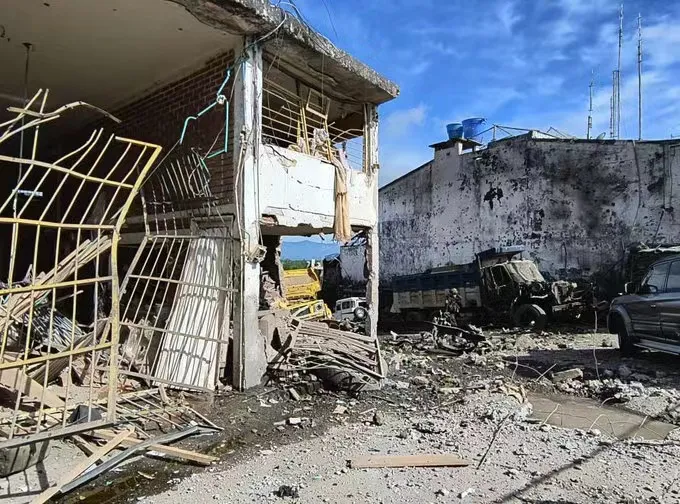
Although the Colombian government forces have continued military operations in the region, the results have fallen short of expectations due to the complex terrain. This time, the government has decided to launch an all-out offensive, which will affect multiple industries in the region, especially the coffee industry.
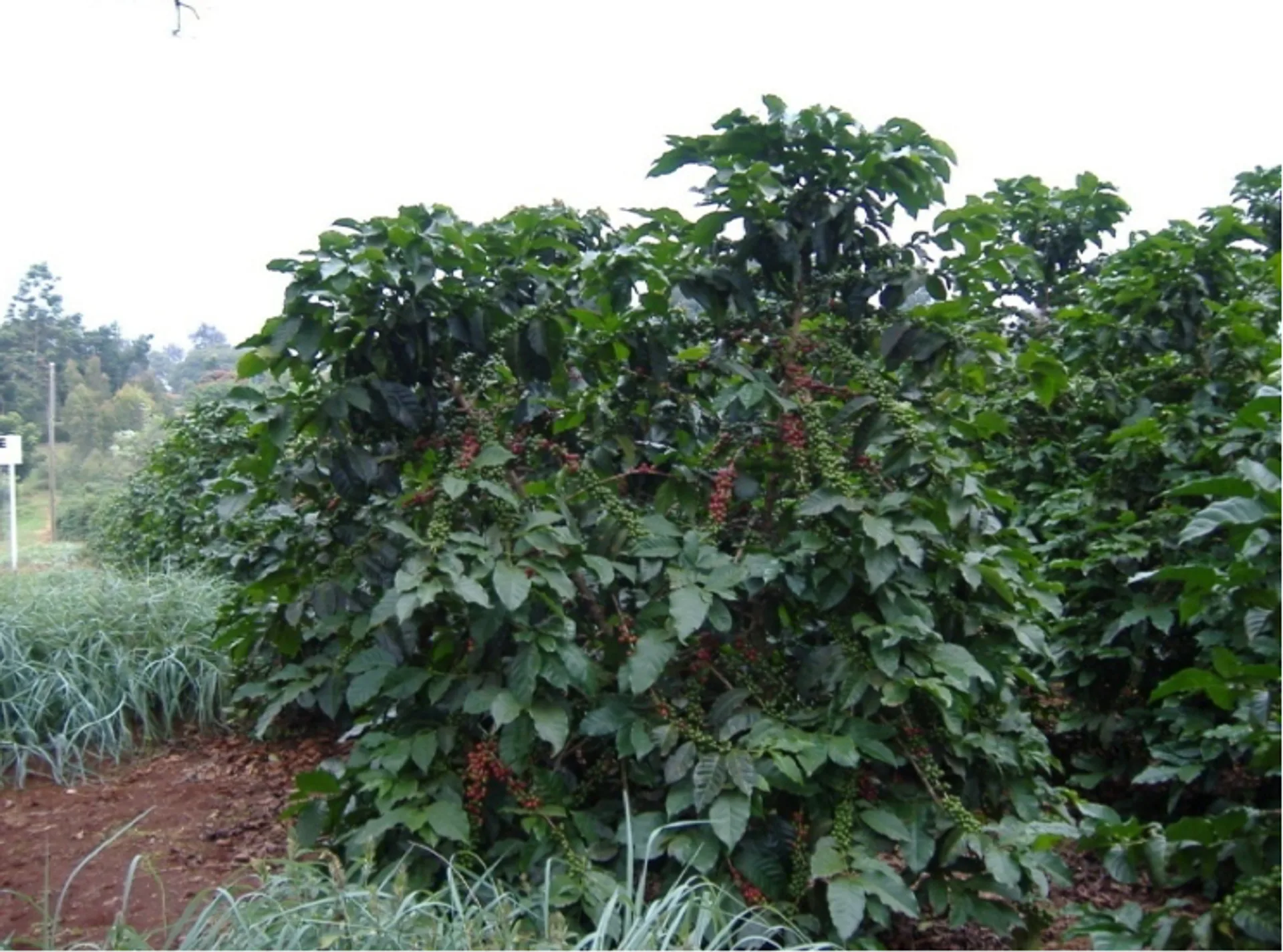
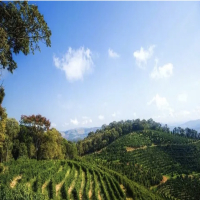
Narino Department, Cauca Department and Valle del Cauca Department are all among Colombia's important coffee-producing regions, home to many well-known coffee estates, and Valle del Cauca Department also has the important export port of Buenaventura. Coffee can earn foreign exchange through exports, which can be used to buy weapons. An outbreak of war could lead anti-government forces to rob coffee beans and smuggle them to neighboring countries.
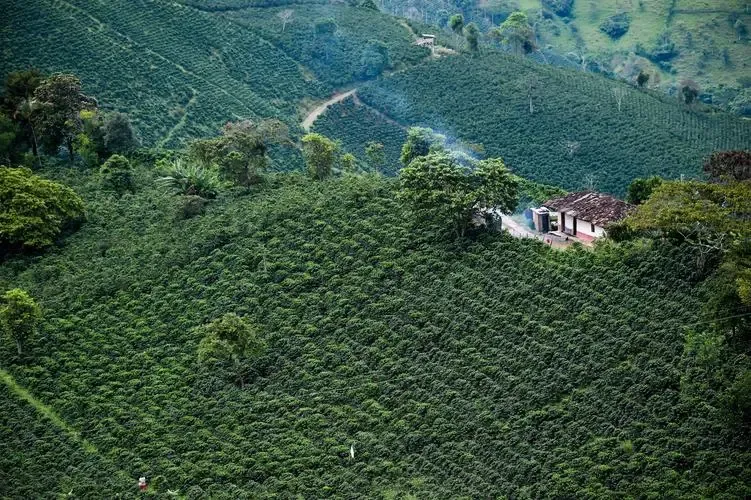
In addition, coffee cultivation in Colombia is dominated by smallholder farmers. An outbreak of war would displace civilians, and some coffee farms could end up unattended, leading to lower yields and declining quality in these regions. Roads and other infrastructure in the region would also be damaged, ultimately affecting exports. At present, Arabica coffee prices are high, and if Colombia, as the world's second-largest coffee-producing country, sees a decline in production, prices could be pushed up again.
Related Reading





Comments (0)
Loading comments...
You May Be Interested



Trending Reviews
Popular Videos

With you, wherever you are! We provide useful features to help you find new things you'll love






