Source:Best Coffee > News Author:qjroot Published:2024-11-18 15:07:19
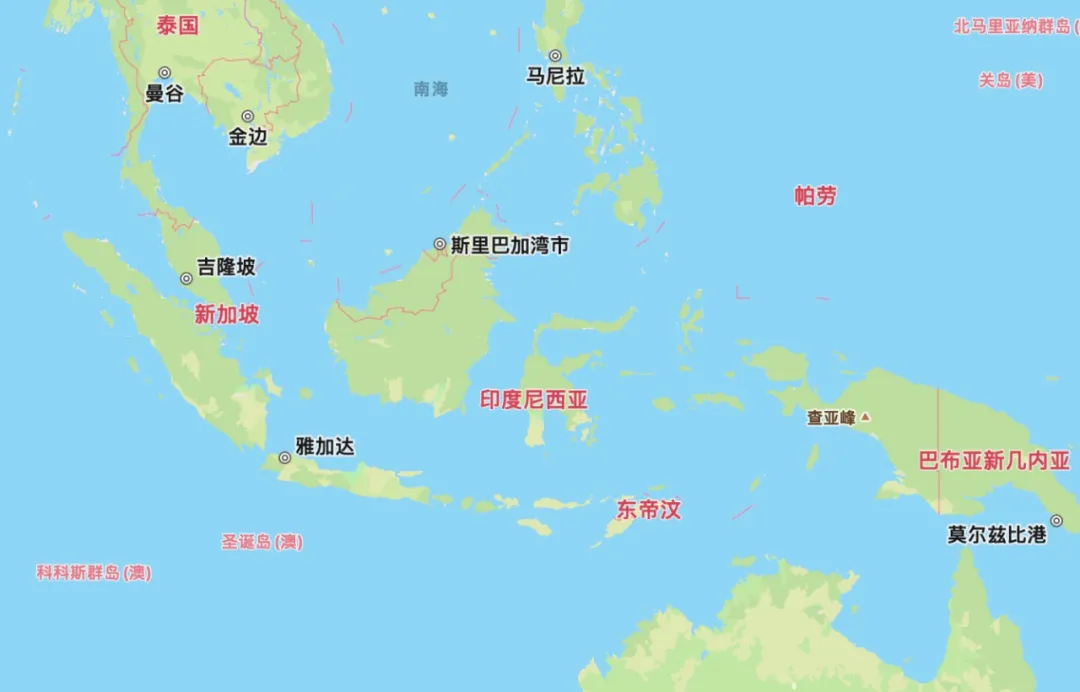
Asia is the largest continent in the world, with complex and diverse terrain, mainly mountains, plateaus and hills, and it is home to numerous volcanoes. Asia has an average elevation of about 950 m, making it the highest continent apart from Antarctica. In addition, because of its large area, Asia spans the frigid, temperate and torrid zones, giving it complex climate types, while coffee is mainly grown in Southeast Asia and South Asia, which are mainly humid tropical monsoon regions. The suitable climate, abundant water resources, and the fertile soil provided by volcanic ash have made Asia's agriculture highly developed, and it has quite a few coffee-producing countries, such as China, Vietnam, Indonesia and others.
Among them, Indonesia has become the world's fourth-largest coffee-producing country, and Indonesia's high output benefits from the country's unique terrain and climate. Indonesia is the world's largest archipelagic country, made up of 17508 islands, and is known as the "Country of Ten Thousand Islands". Its terrain is therefore diverse, with each island's interior mostly rugged mountains and hills. In addition, Indonesia is a country of many volcanoes and many rivers, with about 400-plus volcanoes nationwide.
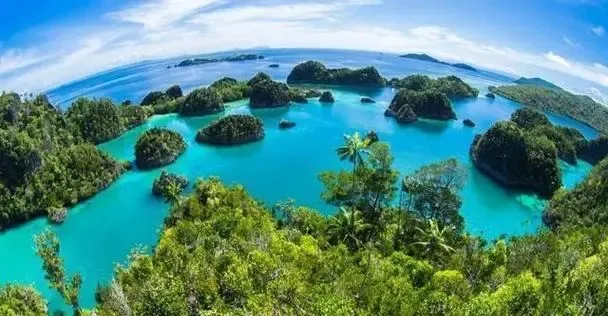
In terms of climate, Indonesia lies in the tropics and straddles the equator, with a typical tropical rainforest climate. The annual average temperature is between 25-27°C, most areas are hot and humid, temperatures in the mountains are lower, and the year is divided into a dry season and a rainy season. There is fertile volcanic soil here and abundant water resources, and even high-altitude areas do not frost over, making it an ideal place to grow coffee. Several islands in Indonesia grow coffee, with production mainly concentrated on Sulawesi, Bali, Java and Sumatra.
Among them, the best known is none other than Sumatra, where the coffee produced is famous for the term "Mandheling". Mandheling is not a coffee variety, nor a place name, but an ethnic group on the island. It began during World War II, when a Japanese military officer drank a delicious coffee on the island and asked for the name of the coffee, but because of the language barrier, the shopkeeper thought he was being asked where he was from, and so answered "Mandheling". Later, because of pronunciation and translation, it eventually became Mandheling, and the name has been used to this day.
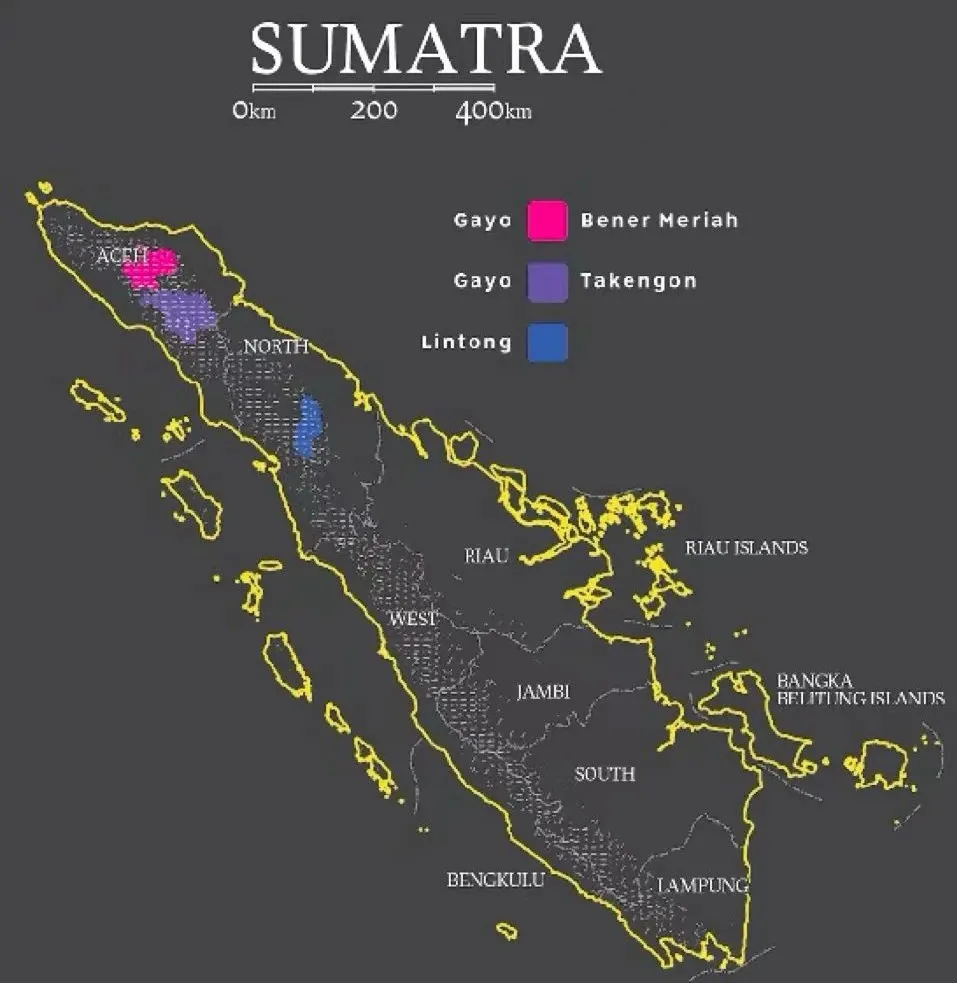
Sumatra is the largest island in Indonesia, and the island is mainly composed of the Barisan Mountains in the west and lowland plains in the east. The Barisan Mountains run the entire length of the island, with about 90-plus volcanoes on the range, and the fertile soil brought by the volcanoes, along with the many lakes, gives it excellent conditions that are highly suitable for growing coffee. Southern Sumatra mainly grows Robusta varieties, while the north is mostly Arabica, among which the main areas are the Gayo production area in the Aceh Special Region and the Lintong production area in North Sumatra province.
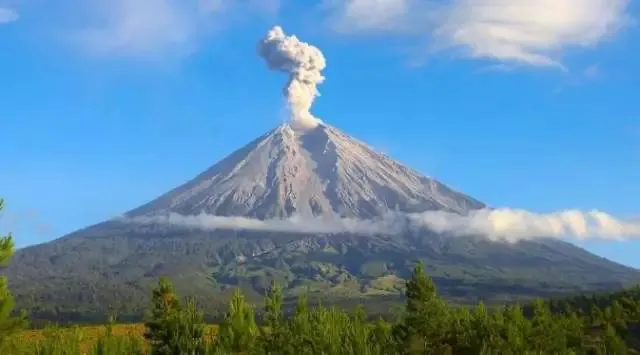
The Lintong production area is located south of Medan, the provincial capital of Sumatra, and coffee is mainly grown in the volcanic area around Lake Toba in the middle of the production area. Lake Toba is a plateau lake and also the world's largest volcanic lake. The altitude here is relatively high, with coffee grown on hillsides at 1400-1800 m, and the annual average temperature is 22°C, producing coffee with a solid nutty aroma.
Indonesian coffee grading is based mainly on the number of defective beans, supplemented by size. Indonesia's general quality requirements are no live insects, no moldy or rotten-smelling beans, a maximum moisture content of 12.5%, and an impurity rate of less than 0.5%. According to the defect rate, it is divided into six grades, of which the highest grade, G1, requires that in a 300 g sample the total defective beans must be fewer than 11. Both Mandheling coffees on Qianjie's bean list are G1 grade, and among them, PWN, the company that produces Golden Mandheling, goes even further on the basis of the G1 grade with multiple rounds of strict selection, reducing the coffee's defect rate to the lowest possible level.
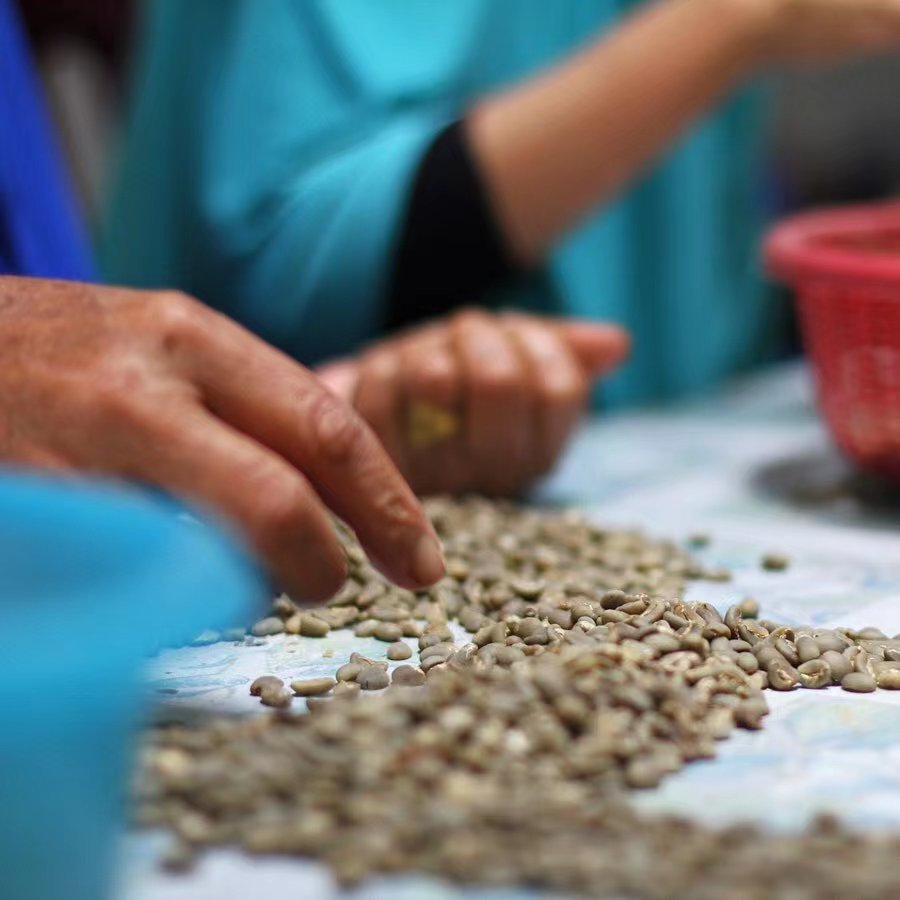
The Lintong Mandheling in Qianjie's everyday beans series comes from Sumatra, Indonesia, is of the Ateng variety (Catimor, Ateng being the local name), uses the locally common wet-hulled processing method, and is dark roasted; once brewed it has herbal and dark chocolate flavors, a caramel-like full body, and a high sweet finish.
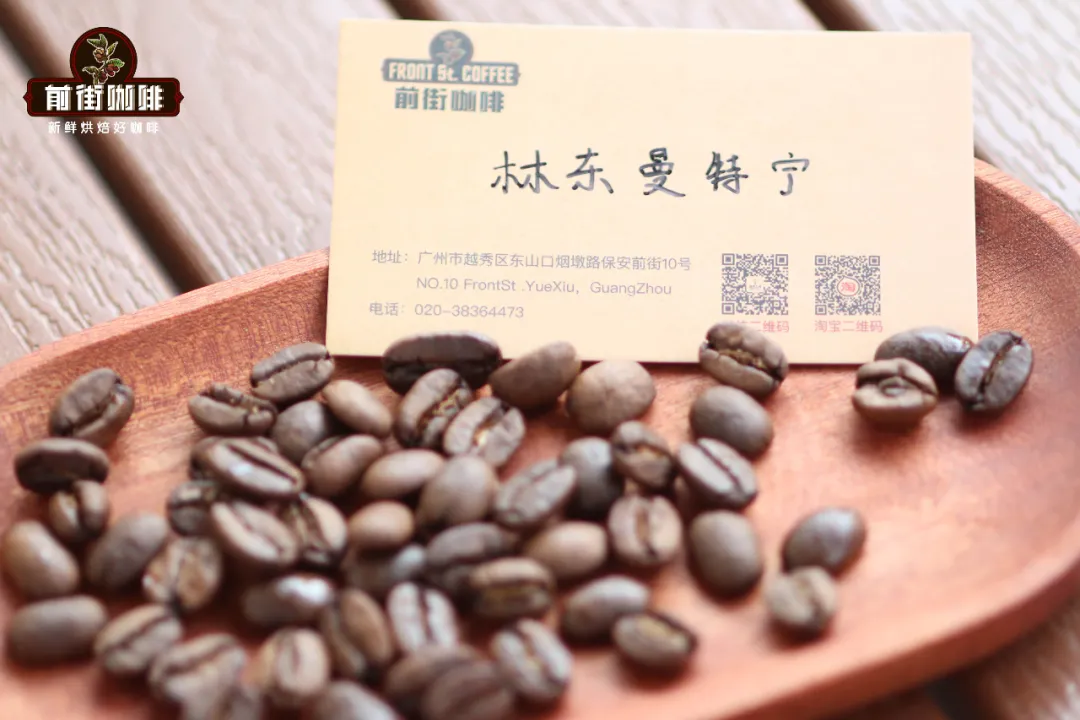
Qianjie believes that Indonesia, as the fourth-largest coffee exporting country and also the largest Arabica exporter in Asia, does not have coffee with the high acidity of African coffee, but rather has a high body, and its biggest flavor characteristic is mainly aromas of spices, herbs, wood and the like, very much expressing the regional flavors of Asia and Indonesia.
Related Reading


Comments (0)
Loading comments...
You May Be Interested


Trending Reviews
Popular Videos

With you, wherever you are! We provide useful features to help you find new things you'll love






